
The Story
Why it exists.
The beginning
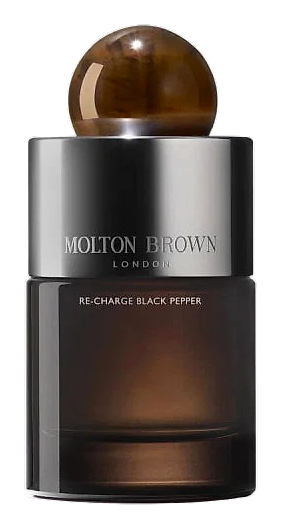
Re-charge Black Pepper arrived in 2015 from perfumer Jacques Chabert, who understood exactly what the name was asking for. Not just a fragrance that featured black pepper, one that was defined by it. The brief wrote itself: take the heat, strip the excess, let the spice do the talking. What emerged was a composition that treated pepper not as a note but as a point of view.
The structure is deliberately spare by design. Where other spicy fragrances bulk up with sweet resins or heavywoods to support their pepper, Re-charge Black Pepper lets the spice carry the weight from first spray to final drydown. This means the heart, where black and pink pepper collide with allspice and amber, becomes the entire argument of the fragrance. Everything before it sets up that moment. Everything after it extends the conversation.
The evolution
The opening is quick and purposeful: bergamot's citrus brightness arrives first, followed immediately by Provençal lavender's herbal cool. Cardamom and coriander add an aromatic complexity that feels almost savory, not green, exactly, but textured. Then the handoff. The citrus fades; the spice takes over. Black and pink pepper dominate the heart, warming everything they touch without tipping into sweetness. The amber materializes gradually, softening the edges just enough. By the final act, oakmoss and cedar and vetiver have settled into a clean, earthy drydown that stays close to the skin but lingers. Four to six hours, sometimes more on fabric. The leather note in the base is subtle, more the memory of a jacket than the thing itself.
Cultural impact
Molton Brown's Re-charge Black Pepper arrived during a period when masculine grooming fragrances shifted away from heavy woods and musks toward more aromatic, culinary-inspired compositions. The use of black pepper as a focal point signaled a broader trend in perfumery where kitchen ingredients began appearing in mainstream fragrance design. Provençal lavender grounds the spicy top notes with a distinctly Mediterranean character, while bergamot adds a bright citrus quality that keeps the blend from becoming too heavy. Cardamom and coriander introduce warm, slightly sweet spice nuances that complement the pepper. This approach reflected early 2000s consumer interest in natural, food-grade scent profiles rather than synthetic-heavy compositions.