The Story
Why it exists.
The beginning
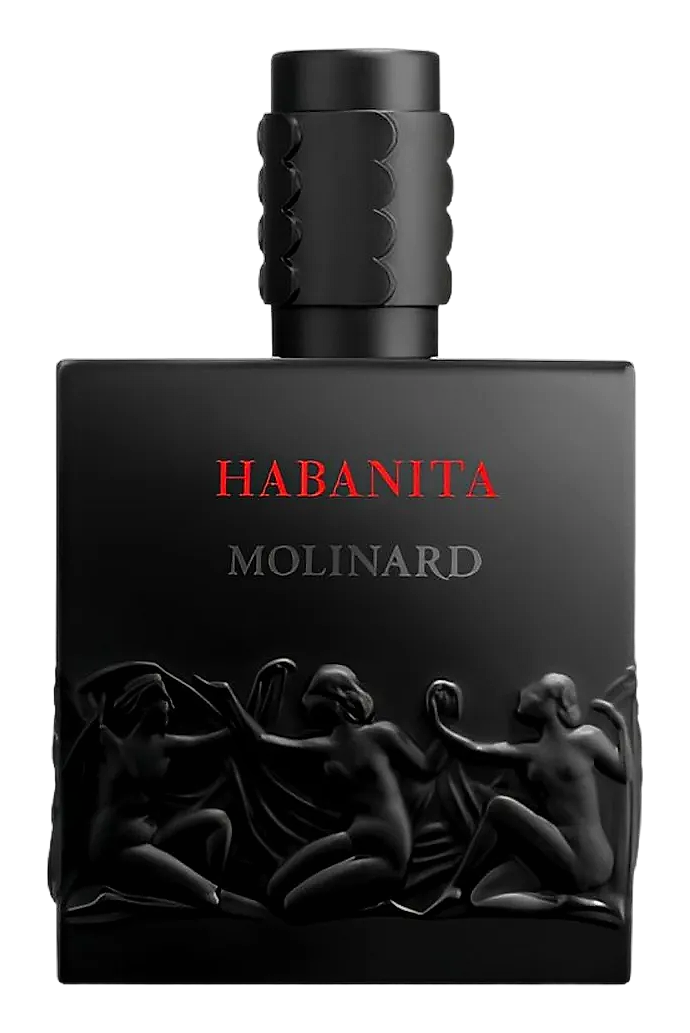
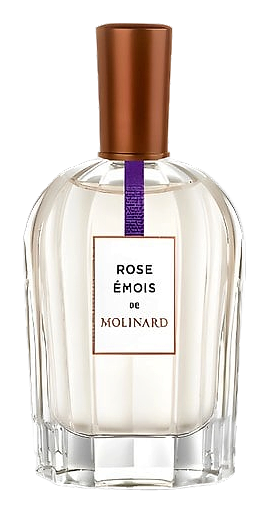
Rose Émois arrived in 2014 from the Molinard house, a composition by Mathieu Nardin and Michele Saramito. The brief was deceptively simple: build a rose that didn't behave like one. Rather than softening the rose into something easy and feminine, Nardin and Saramito approached it with structure, using mint and almond to create contrast in the opening, letting the heart unfold with deliberate warmth, and anchoring everything in a drydown of sandalwood and oud that kept the composition grounded and powdery long after the top notes faded.
What makes Rose Émois work is the tension between cool and warm. The mint in the opening is unusual alongside rose, most florals lead with sweetness or greeness, not this clean, sharp note that bridges the bitter almond and the warm floral heart. The saffron and jasmine deepen the rose into something resinous and slightly exotic, while the oud and sandalwood base gives the drydown a woody warmth that stays intimate without heaviness. The amber and musk hold the base together, making the drydown stretch for hours rather than collapsing into a faint whisper.
The evolution
The opening hits cool and bright, almond's bitter edge followed by bergamot's citrus crispness, then mint arrives and adds something unexpected. The combination is almost medicinal at first, like stepping into a room with the windows open on a cold morning. Within minutes, the mint softens and the almond settles, becoming a quiet base rather than the main event. The rose arrives gradually, not loudly, building alongside jasmine and saffron into something warm and opulent. The mint never fully disappears, it threads through the heart, keeping the floral warmth from becoming heavy. By the time the drydown arrives, the sandalwood and oud have taken over, with amber and musk holding everything together into a powdery, intimate finish that lingers for hours. The next morning, the skin holds a faint trace of sandalwood and rose, soft, warm, and still recognizable.
Cultural impact
Rose Émois sits in the space between traditional rose compositions and the oud-forward trend that dominated the 2010s. Unlike the heavy, confrontational oud fragrances that defined that era, Rose Émois keeps its woody base intimate and close to the skin, powdery rather than animalic, warm rather than aggressive. The mint opening remains its most distinctive move, a choice that divides opinion but makes the fragrance unmistakable once you've worn it.