The Story
Why it exists.
The beginning
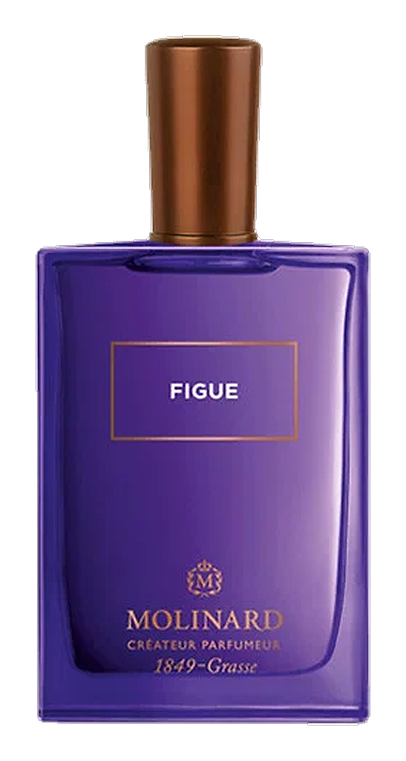
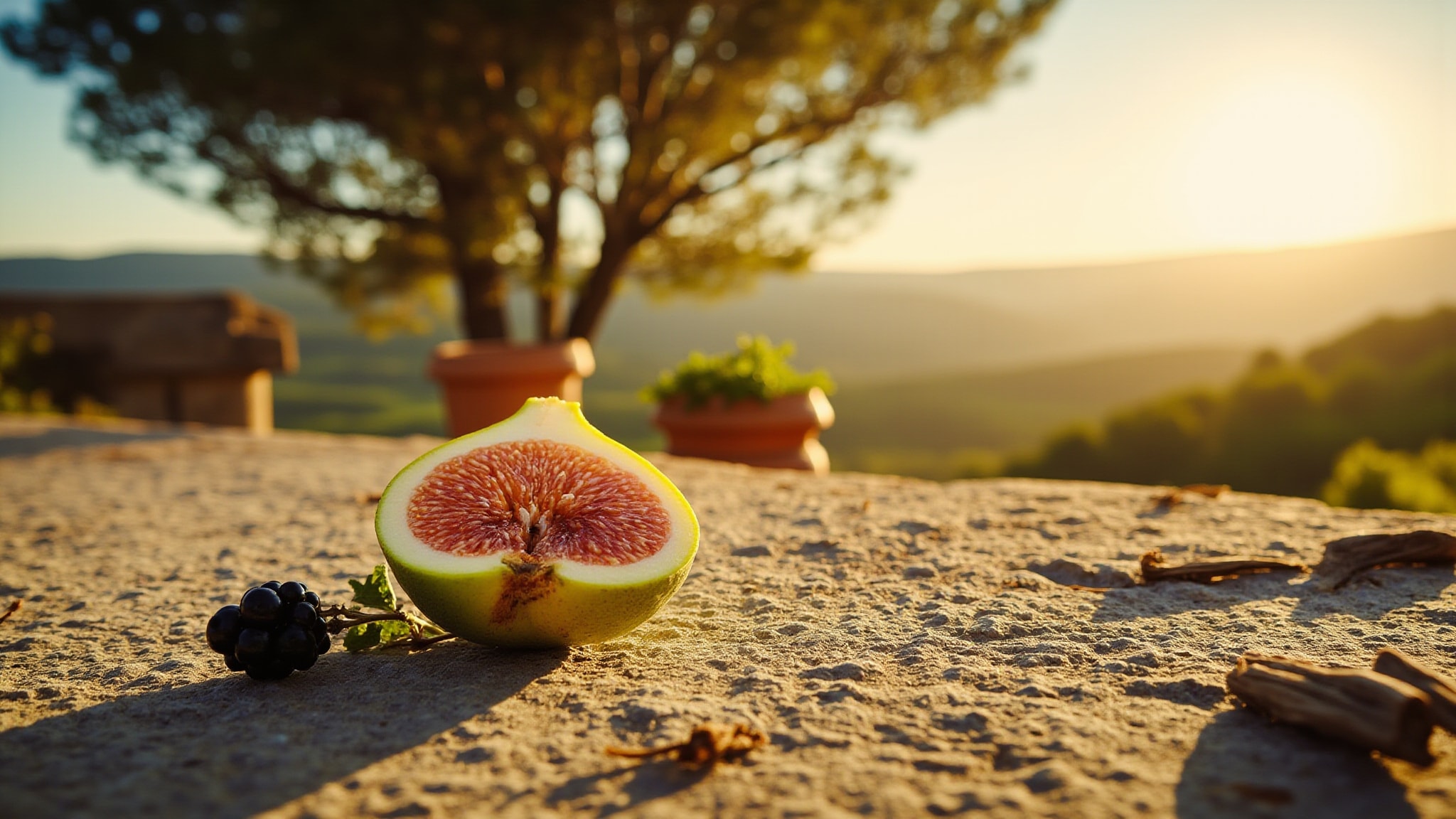
Molinard, the Grasse-born house established in 1849, set out to bottle the essence of a Mediterranean fig tree in 2016, entrusting Mathieu Nardin with the task. The brief called for a green fig agreement that would first evoke the velvety flesh of the fruit, then unfold on a muscular, woody backdrop. Drawing on Molinard's Grasse roots, the perfumer looked to the sun-drenched orchards of Provence, where fig trees grow in dry soil and ripen to a dense, honeyed sweetness. Nardin began with fig itself, capturing both the fruit's creamy interior and the green, slightly milky character of the branch. Lemon and blackcurrant were added to sharpen the opening, lending a fruity brightness that prevents the fig from feeling heavy on first spray. The challenge was balancing sweetness with restraint, ensuring the fig remained the protagonist throughout the development.
The note philosophy behind Figue treats fig not as a single accord but as a full narrative arc. The fruit opens the story, the foliage (fig leaf) carries the middle, and the wood (cedarwood) closes it. Lemon and blackcurrant were chosen specifically to temper fig's natural sweetness, ensuring the opening never turns cloying. The floral notes in the heart exist to humanize the green, adding approachability without diluting the overall naturalism. Molinard's emphasis on artisanal craft meant that each material had to justify its presence; nothing was added for novelty. The result is a fragrance built on clarity and proportion, where the fig can speak at every stage.
The evolution
The fragrance opens with fig, lemon, and blackcurrant in a bright, juicy combination that feels immediately Mediterranean. The fig provides the lactonic creaminess, the lemon lifts with citrus sparkle, and the blackcurrant adds tart depth. As time passes, fig leaf emerges as the dominant heart note, introducing a green, almost vegetative quality that cools the sweetness. Floral notes linger quietly in the background, softening the transition. By the drydown, musk and amber warm the base, while cedarwood delivers the dry, woody finish the original brief requested. The fig fruit itself persists softly, never fully disappearing, creating continuity across all three phases. Each layer builds on the last without dramatic contrast, offering instead a measured evolution that mirrors how a fig tree changes from dawn to dusk.
Cultural impact
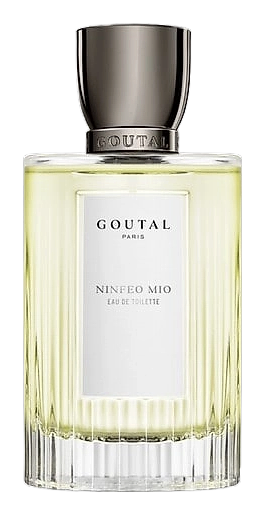
Since its 2016 debut, Figue has become a reference point for modern fig fragrances, often mentioned alongside Acqua di Parma’s Fico di Amalfi and Goutal’s Ninfeo Mio. Wearers appreciate its ability to translate a green orchard into a wearable scent, making it a go‑to choice for those seeking a fresh yet grounded signature. Its balanced sillage and moderate longevity have earned it steady praise in niche perfume circles.