The Story
Why it exists.
The beginning
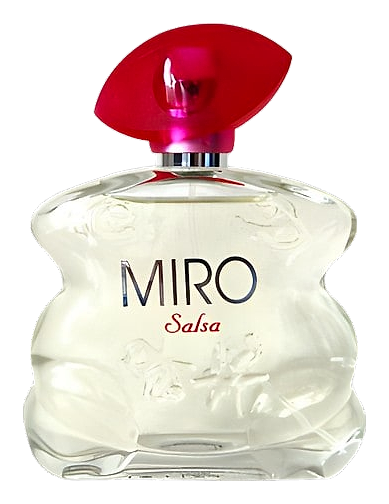
Salsa arrived in 2011 as part of the Miro line. The brand draws its visual and emotional vocabulary from the surrealist painter Joan Miró, and this particular composition reads like one of his quieter canvases, the ones where primary colors step back and let texture do the talking. Salsa sits within a chypre-floral tradition, taking on the mossy, structured character of the chypre family while wearing the powdery softness of a vintage floral at its center. The name itself, Salsa, gestures at something warmer, more spiced, more bodily than a typical floral composition, a hint of heat beneath the powder. Production was apparently discontinued at some point, which means bottles in good condition now carry a particular scarcity value.
The chypre accord at the top is doing structural work most people will never consciously identify. Bergamot-bright on the surface, but built on the moss-animal tension that defines the entire chypre family. Lavender adds the metallic, almost-aromatic coolness that keeps the violet from going baby-powder-sweet. Red berries in the heart aren't a juicy fruity note here; they read as a faint, dust-coated sweetness, the way a vintage lipstick still smells in its case, preserved rather than fresh.
The evolution
First thirty minutes: violet and bergamot stage a polite argument, lavender keeping order like a librarian. The chypre accord underneath is working quietly, a structural foundation that you sense more than you name. The opening reads cool, slightly astringent, with the powder arriving fast, the kind that recolors every other note around it, turning bright citrus and aromatic lavender into something softer, more diffused, more vintage in feeling. Hour one to three: the rose lifts out of the powder, jasmine lurking one layer deeper, red berries flickering like a memory of something sweet rather than something present, more suggestion than statement. This is where most wearers fall in love or check out, because the scent declares its real character here, floral, dense, vintage-textured, and unmistakably powdery.
Cultural impact
Salsa has become something of a quiet grail for those who gravitate toward powdery, vintage-leaning compositions. Its discontinued status has only deepened that appeal, turning a fragrance that might have slipped quietly into history into something collectors actively seek out. The composition itself rewards that pursuit, offering the mossy depth of a classic chypre married to a heart of rose, jasmine, and violet that feels unmistakably rooted in mid-century French perfumery traditions, even as the Miro line draws its inspiration from surrealist painting rather than perfumery heritage directly.