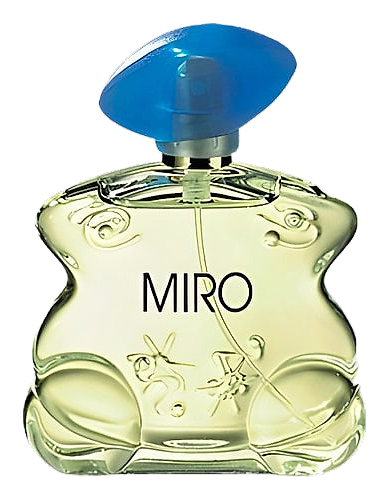
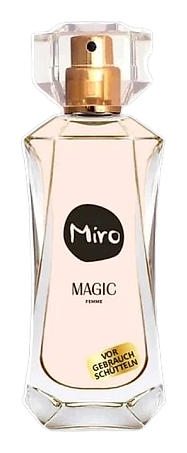
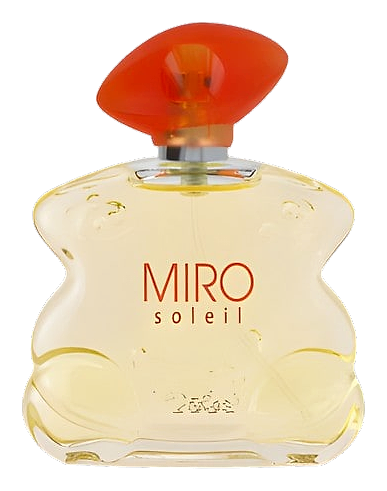
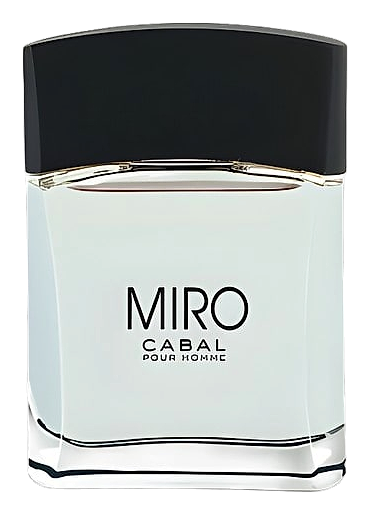
The Heritage
The Story of Miro
Miro is a French niche fragrance house that has built a modest yet dedicated catalogue since the early 2000s. The brand offers a range of scents that blend classic French perfumery with contemporary twists, appealing to collectors who value subtle storytelling over flash. Its portfolio includes both masculine and feminine releases, each anchored by a clear olfactory theme and a restrained visual identity. Miro positions itself as a quiet alternative to louder market players, letting the perfume speak for itself.
Heritage
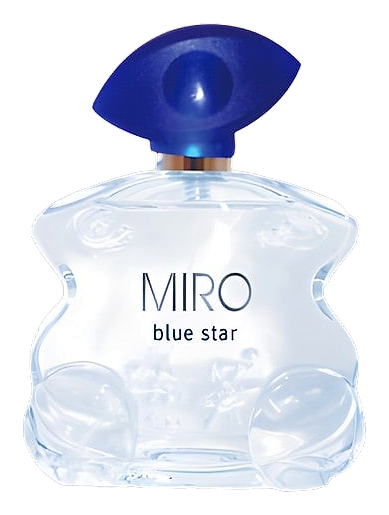
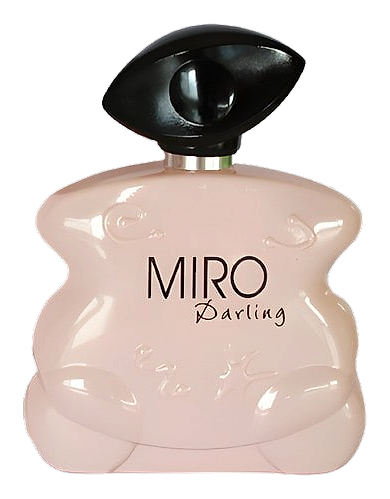
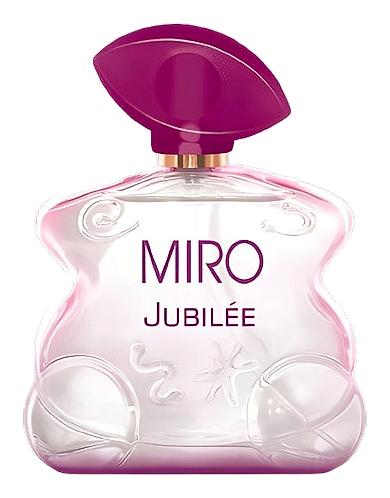
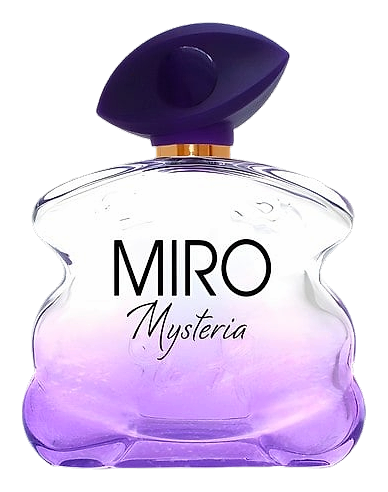
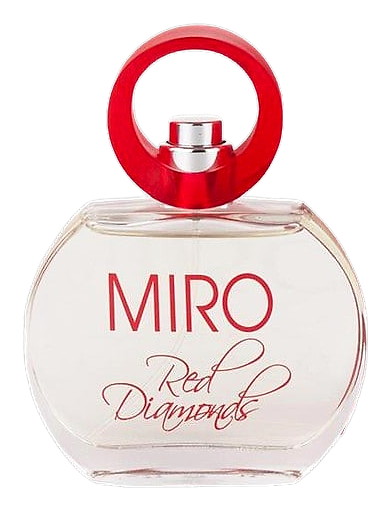
The exact founding story of Miro is not widely documented in mainstream press, but product archives show that the first releases appeared in 2003. Miro Femme, launched that year, marked the brand's entry into the French niche market, followed by Miro Magic in 2005, which introduced a more experimental side. In 2007 the house released Blue Star, a fragrance that referenced maritime notes at a time when marine accords were still emerging in niche perfumery. The following year Miro Soleil arrived, offering a bright, citrus‑driven composition that resonated with summer collections. 2012 saw the debut of Miro Darling, a scent that combined soft florals with a warm amber base, reflecting a shift toward more intimate, wearable pieces. Red Diamonds entered the line‑up in 2013, featuring a ruby‑red bottle and a rich, jewel‑inspired aroma. Miro Jubilee arrived in 2014, celebrating the brand’s growing reputation with a festive, spice‑laden profile. The most recent notable launch, Mysteria in 2015, explored mysterious, woody undertones and hinted at a willingness to experiment with darker palettes. Throughout this period, Miro maintained a low‑key marketing approach, relying on boutique distribution and word‑of‑mouth among fragrance enthusiasts. The brand’s modest growth mirrors the broader rise of independent French houses that prioritize craftsmanship over mass appeal.
Craftsmanship
Miro produces its fragrances in small batches at a workshop in the Paris region. The house blends natural absolutes, essential oils, and carefully selected aroma chemicals in a 60‑40 ratio that favors natural material while preserving stability. Ingredients such as Tunisian orange blossom, Grasse jasmine, and Madagascan vanilla are sourced from farms that meet Fair Trade criteria, according to the brand’s supplier list. Synthetic accords, when used, are created in partnership with reputable French laboratories that follow REACH regulations. Each formula undergoes a three‑stage stability test: initial lab aging, a six‑month field test in a controlled environment, and a final sensory evaluation by a panel of experienced noses. The bottling process uses hand‑blown glass made by a family atelier in Saint‑Germain‑des‑Fossés, ensuring each container has a unique tactile quality. Labels are printed on recycled paper with soy‑based inks, and caps are crafted from aluminum that can be recycled. Quality control includes a double‑check of batch numbers, fragrance concentration, and seal integrity before the product leaves the facility. This meticulous approach aims to deliver a consistent olfactory experience while honoring the brand’s commitment to responsible production.
Design Language
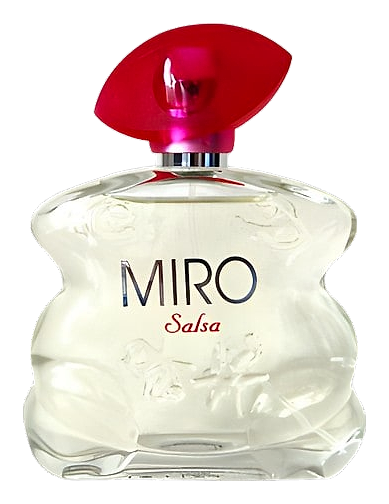
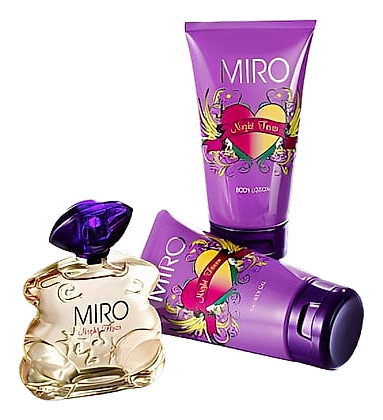
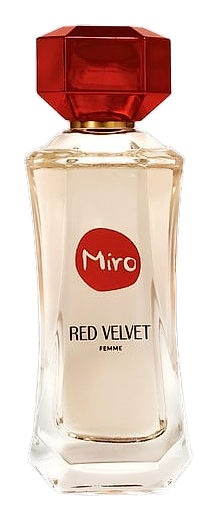
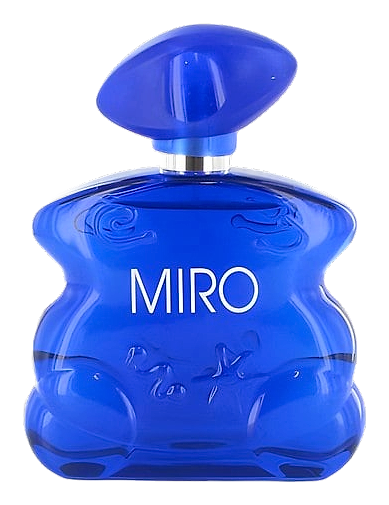
Visually, Miro favors minimalist design with a touch of classic French elegance. Bottles typically feature clean lines, a slender silhouette, and a muted color palette that reflects the fragrance’s character—blue glass for marine‑inspired scents, amber for warm amber‑based compositions, and clear crystal for fresh citrus offerings. The brand’s logo appears as a simple serif wordmark, often embossed in gold or silver on the cap. Packaging boxes use thick, matte cardstock with subtle spot‑UV accents that catch the light without shouting. The overall image conveys quiet confidence; the design avoids loud graphics, instead letting the shape and material speak. In retail, Miro’s displays are arranged on reclaimed wood shelves, reinforcing the natural, understated vibe. Promotional photography typically shows the bottle against soft, natural backdrops—stone, linen, or muted foliage—highlighting the scent’s inspiration rather than the product itself.
Philosophy
Miro’s creative vision centers on quiet elegance. The house states that it seeks to translate everyday moments into scent, turning a sunrise, a night sky, or a whispered secret into a bottle. It values authenticity, choosing ingredients that can be traced to their origin and avoiding overly synthetic shortcuts unless they serve a clear artistic purpose. The brand encourages its perfumers to work within defined emotional parameters, allowing them to explore nuance rather than chase trends. Sustainability appears in its sourcing guidelines: natural extracts are obtained from certified farms, and the company prefers recyclable packaging. Miro also supports local artisans by collaborating with French glassmakers for its bottles, reinforcing a commitment to regional craftsmanship. The overall ethos can be summed up as “subtle storytelling through scent,” a principle that guides each new launch.
Key Milestones
2003
Launch of Miro Femme, the brand’s first fragrance, introducing a soft floral‑amber composition.
2005
Miro Magic debuts, showcasing experimental accords and a new micro‑encapsulation technique.
2007
Blue Star releases, one of the early French niche scents to feature a marine accord.
2008
Miro Soleil arrives, offering a bright citrus‑driven summer fragrance.
2012
Miro Darling launches, blending intimate florals with warm amber.
2013
Red Diamonds enters the line‑up, presented in a ruby‑red bottle with a rich, jewel‑inspired scent.
At a Glance
Brand profile snapshot
Origin
France
Founded
2003
Heritage
23
Years active
Collection
1
Fragrances released
Avg Rating
4.3
Community sentiment
Release Rhythm


