The Story
Why it exists.
The beginning
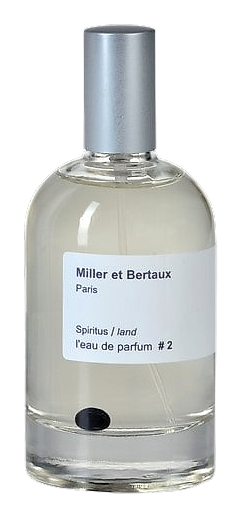
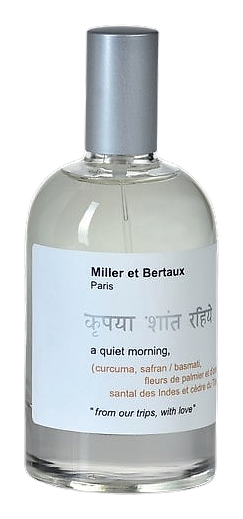
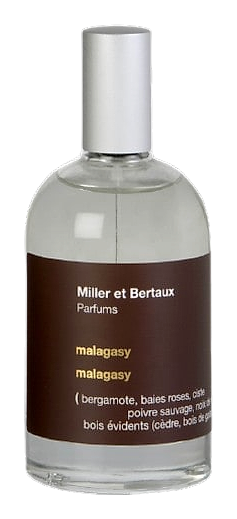
Malagasy takes its name from the island nation off the southeast coast of Africa. The perfumery centers on the tension between Madagascar's bright opening, pink pepper and bergamot, and the deeper warmth that follows: clove, caraway, and the resinous weight of labdanum, guaiac wood, and incense grounding everything in something that feels native to the place. The combination creates a warm, woody-spicy character that feels distinctive. The mossy-woody base with its resinous, slightly smoky quality offers something more subtle: aromatic depth that lingers close to the skin rather than announcing itself across a room. This is the kind of complexity that rewards attention.
The Madagascar island namesake gives this composition a specific geographic grounding, but the fragrance itself works as a study of spice and wood. The combination of pink pepper, caraway, clove, labdanum, guaiac wood, incense, moss, cedar, and patchouli creates a warm, woody-spicy character that feels distinctive. The mossy-woody base with its resinous, slightly smoky quality offers something more subtle: aromatic depth that lingers close to the skin rather than announcing itself across a room. This is the kind of complexity that rewards attention.
The evolution
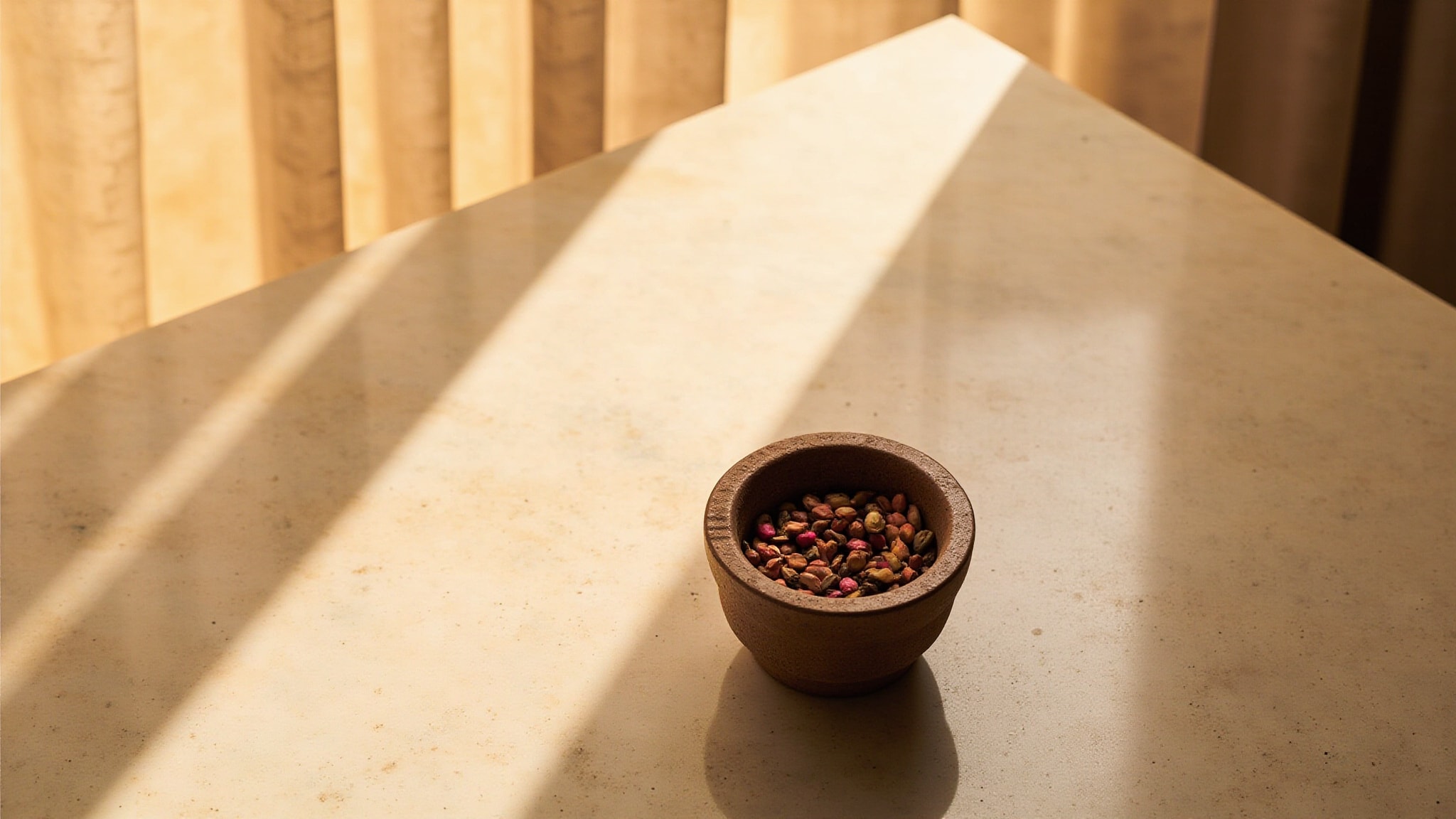
The opening announces itself with pink pepper and bergamot, bright, sharp, with an almost citrusy snap that feels like midday air in a tropical market. The bergamot cools the pepper just enough to keep it from being aggressive. Then the warmth arrives. Caraway and clove shift the composition from bright to grounded, the kind of transition that makes you lean in closer. By the drydown, the base takes over: labdanum and guaiac wood, with incense and moss settling into something resinous and woody. Cedar and patchouli anchor it all. The drydown evolves as the woody-resinous character deepens, the moss becoming more present as everything else settles into the skin. The sillage stays moderate, present but intimate, never filling a room. Which suits the Miller et Bertaux philosophy: fragrance as personal styling, not announcement.
Cultural impact
Malagasy occupies a warm, woody-spicy niche in the fragrance landscape. The clove and cumin character on a mossy-woody base with subtle oriental incense has earned favorable reception among fragrance enthusiasts. Some note the performance could be stronger, but the consensus remains positive: it is worth exploring for its distinctive spicy-woody character. The combination of pink pepper, caraway, clove, labdanum, guaiac wood, incense, moss, cedar, and patchouli creates a warm, woody-spicy character that feels distinctive.