The Story
Why it exists.
The beginning
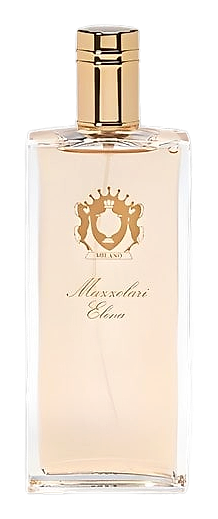
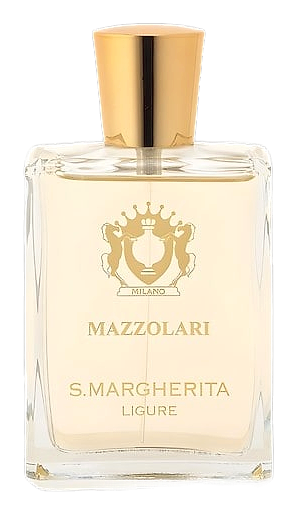
Santa Margherita Ligure is a town along the Ligurian coast, and the fragrance borrows its name from that stretch of Italian coastline. Composed by Celia Orozco Cirimbilli, it reads as a quiet love letter to that place, something that suggests a particular geography without ever spelling it out. The reference to a real Italian town grounds the composition in something specific, something you can almost point to on a map, even if Mazzolari leaves the rest to the imagination. The opening carries that bright aldehyde fizz, a dewy lift that catches light the way salt air does in the morning before the day heats up. There's a warmth to it, too, not heavy, just enough to suggest sunlight rather than the chill of sea spray. You don't wear this to summon a mood. You wear it to wear a place.
What makes this composition quietly unusual is the aldehyde-rose-pink pepper opening layered over violet and neroli. The aldehydes here open with a particular crispness, a bright soapy lift that reads clean and almost effervescent, the kind of sparkle that suggests fresh air rather than anything vintage or fusty. The pink pepper gives a barely-there spark underneath the rose, so the top never goes purely sweet. Then violet and peony take over, both of them powdery, both of them with a faintly cosmetic edge that gets complicated by neroli's green citrus.
The evolution
The opening belongs to the aldehydes and that fizzy pink pepper-rose combination. There's a brightness to it that reads almost effervescent, like the sparkle in a glass of something cold, then it melts into the heart. The aldehydes don't disappear so much as step back and let the florals do the talking. Once the florals settle in properly, the violet and neroli start to dominate. This is the most powdery phase, the one people who love this fragrance tend to call its sweet spot. There's a soapy-clean quality to it that runs through the whole composition, a freshness that feels intentional and well-placed rather than accidental. The peony adds a soft fullness without ever tipping into indolic territory, so the whole middle stays polite, almost prim. Don't mistake polite for boring.
Cultural impact
Santa Margherita Ligure occupies a particular corner of the floral-powdery space, a category that rewards subtlety over noise. Where it earns its keep is the discipline of the composition, the way it borrows from a classical Italian vocabulary but keeps the whole thing clean and current rather than nostalgic. The aldehydes aren't there for nostalgia's sake. They're there to lift, to brighten, to keep the florals honest. The powdery heart that follows isn't trying to recreate a vintage moment. It's doing its own work, modern and considered.
The House
MazzolariMazzolari is an Italian fragrance house with roots stretching back to 1888 Milan. The brand creates niche perfumes with a distinctly Milanese sensibility, blending classical perfumery traditions with contemporary Italian style. Known for producing scents that range from orientation-inspired to distinctly modern, Mazzolari occupies a quiet corner of the niche fragrance world, crafting perfumes for those who appreciate understated luxury.
The Creator
Celia Orozco CirimbilliHer style reveals a preference for citrus-led openings and resinous depths. The Clive Christian VIII Rococo Immortelle demonstrates her comfort with unusual combinations, pairing the buttery warmth of immortelle with crisp vetiver and papyrus.