The Story
Why it exists.
The beginning
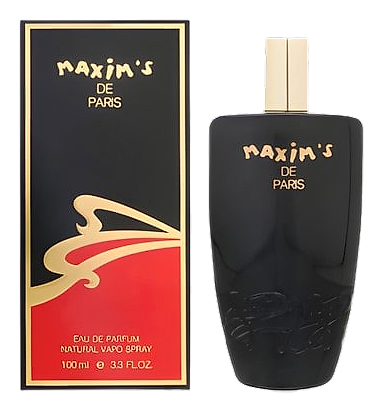
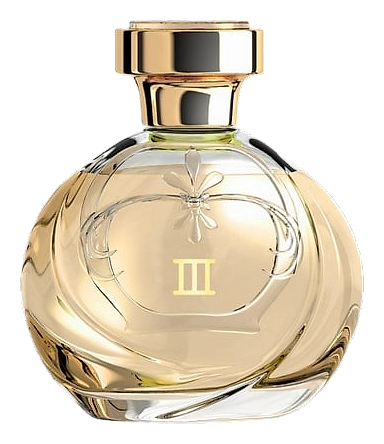
Maxim's Pour Femme Rose Musk III arrived in 2017 as part of the house's ongoing exploration of the Rose Musk line. Each release takes the rose as its starting point and treats the flower as a vehicle for a particular mood. The composition leans warm, spicy, rooted. There is no concession to the bright, dewy florals that dominate most rose launches. Instead, this one turns toward the darker, more tactile end of the spectrum, building a rose that feels lit from below rather than from above. The saffron opening alone signals that this is not aiming for sweetness or sparkle. By the time the flower arrives, the frame around it is already heavy with spice and shadow, and the result reads as something closer to an autumnal or evening rose than a daytime one.
What makes this composition interesting is the way it refuses to let rose stay polite. Saffron and nutmeg open with a dry, almost smoked heat that frames the flower before it can settle into anything conventional. Cypriol oil, also called nagarmotha, brings an earthy darkness through the middle, grounding the heart in soil rather than air. Litchi adds a strange, slightly bruised sweetness that keeps the rose from collapsing into pure floral. The base of patchouli, vetiver, vanilla, and amber ensures the whole structure dries down to something resinous and grounded rather than powdery.
The evolution
The opening belongs to saffron and nutmeg, a dry heat that tingles and pulls focus. Lemon slices through, briefly, lending a brightness that almost reads as cold before the warmth swallows it. Then rose takes the stage. It arrives dense, not dewy. Cypriol oil and litchi create a shadowy, slightly sweet heart that makes the flower feel less like a garden and more like an interior space lit by a single source. The patchouli in the base anchors everything, giving the composition its floor. As the hours pass, the rose recedes and the drydown settles into vanilla and amber with a faint earthy hum from the vetiver. The scent stays close to the skin for the remainder of the wear, reading as warmth and faint smoke rather than projection. The resinous amber sweetness clings to fabric, and a scarf or collar tends to carry the trace of it long after the skin has gone quiet.
Cultural impact
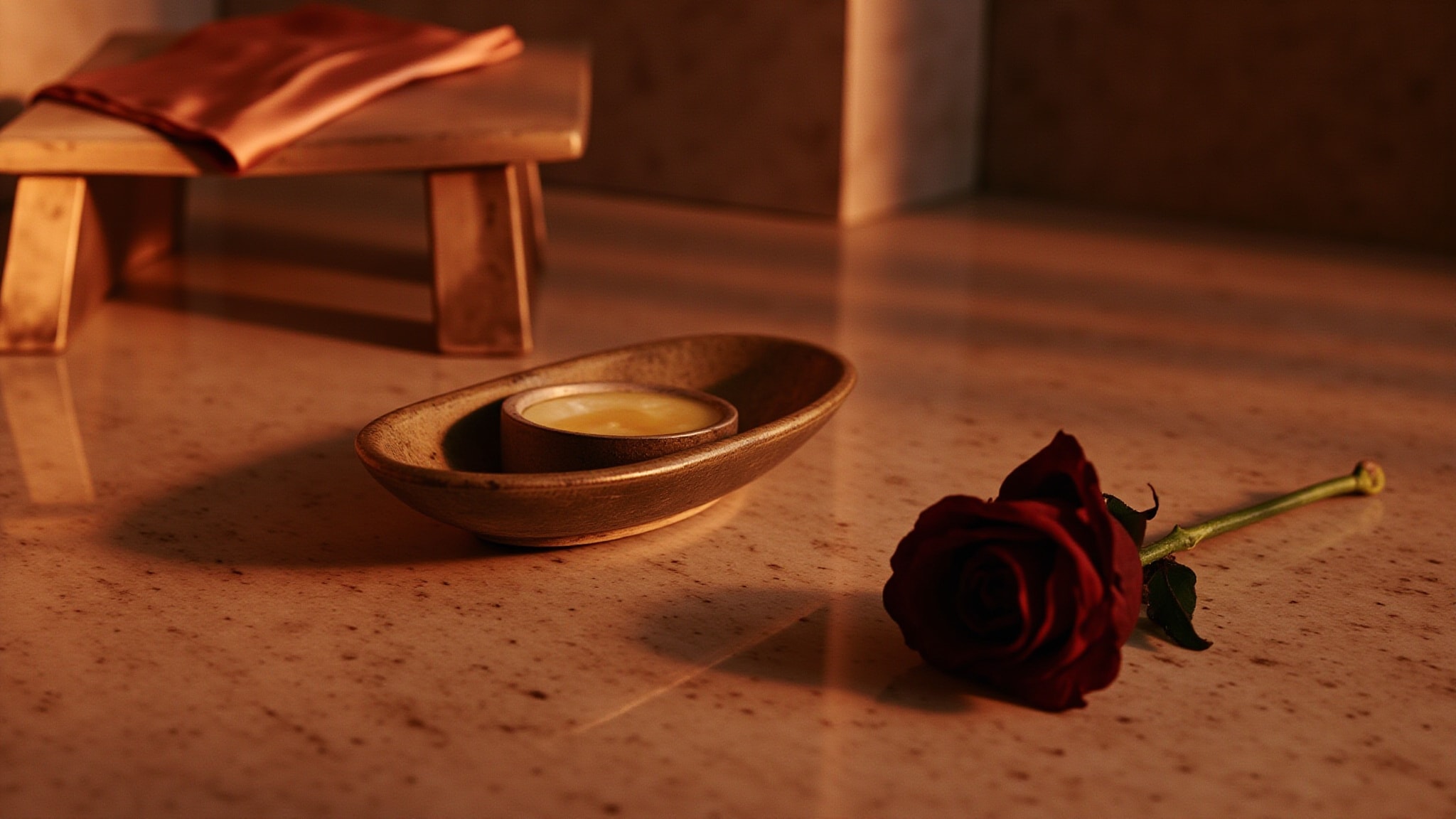
What distinguishes this rose is its willingness to sit in shadow rather than sun. The cypriol oil drags the flower away from the cleaner, brighter territory that most modern rose compositions claim, pulling the composition toward something denser and more earthen. The spice-driven opening adds friction from the first moments, so the bloom never settles into the kind of pure sweetness that dominates mainstream launches. It wears close to the skin, which gives it an intimate rather than declarative feel, and the resulting depth places it within the more contemplative end of the rose category.