





Heritage
A house, in its own words
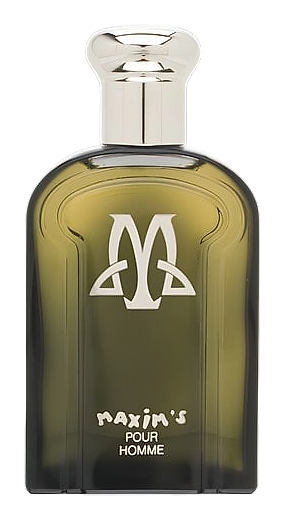
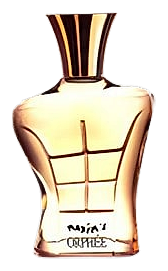
The restaurant that would become Maxim's began in 1893 when Maxime Gaillard, a former waiter, acquired a small establishment at 3 Rue de la Michodière in Paris. Sources also reference Irma de Montigny, reportedly a courtesan who opened a bistro in the same location during the same period, suggesting layered or contested origins for the venue. Gaillard renamed the space after himself, and the restaurant gradually evolved into a destination for Parisian society. The original location proved too modest for its growing reputation, prompting a move to Rue Royale in 1905. The new premises allowed for the elaborate Art Nouveau decoration that would become Maxim's defining characteristic. Glasswork by Alexandre Bigot, murals by Francis Jourdain, and sumptuous upholstery created an interior that felt like stepping inside a jewel box. The restaurant survived two world wars, remaining a constant gathering point for artists, writers, politicians, and socialites. By the mid-twentieth century, Maxim's had achieved the status of Parisian institution, its name synonymous with theatrical dining and unapologetic luxury. The expansion into fragrance licensing came later, with the 1984 debut perfume representing an attempt to translate the restaurant's sensory identity beyond its physical walls. Pierre Cardin acquired the Maxim's brand during this period, facilitating the perfume licensing arrangement that brought Selecta as parent company and Pierre Dinand as packaging designer. Maxim's de Paris approaches perfumery as storytelling through abstraction. Rather than attempting literal representation of the restaurant experience, the house seeks emotional echoes. The debut 1984 fragrance worked through association and mood, evoking the complicated elegance of Parisian society rather than specific ingredients. Dominique Ropion's training with master perfumers at Technicoflor informed his approach to layering, creating fragrances that reveal different facets depending on skin chemistry and occasion. The philosophy treats the Maxim's name as a license to explore the full spectrum of Parisian glamour, from the delicate to the decadent. This means florals that carry subtle darkness, chypre structures that balance freshness with mystery, and occasional detours into unexpected territory like the leather-forward flankers of 2017. The brand seems to understand that its audience comes seeking an atmosphere as much as a scent profile. Each release therefore functions as a chapter in an ongoing narrative about what Paris means to the imagination. The fragrance program operates with an awareness that customers associate the Maxim's name with a particular era and aesthetic, treating that association as creative material rather than constraint.