The Story
Why it exists.
The beginning
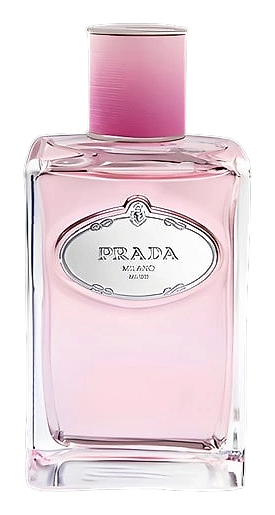
The Les Infusions collection is where Prada takes a single ingredient and pulls it apart, examines it, and puts it back together in a new light. Infusion de Rose does this with Bulgarian rose. Daniela Andrier built the structure around 2011, using mint and mate to complicate what could have been a straightforward floral. The result challenges expectations rather than confirming them.
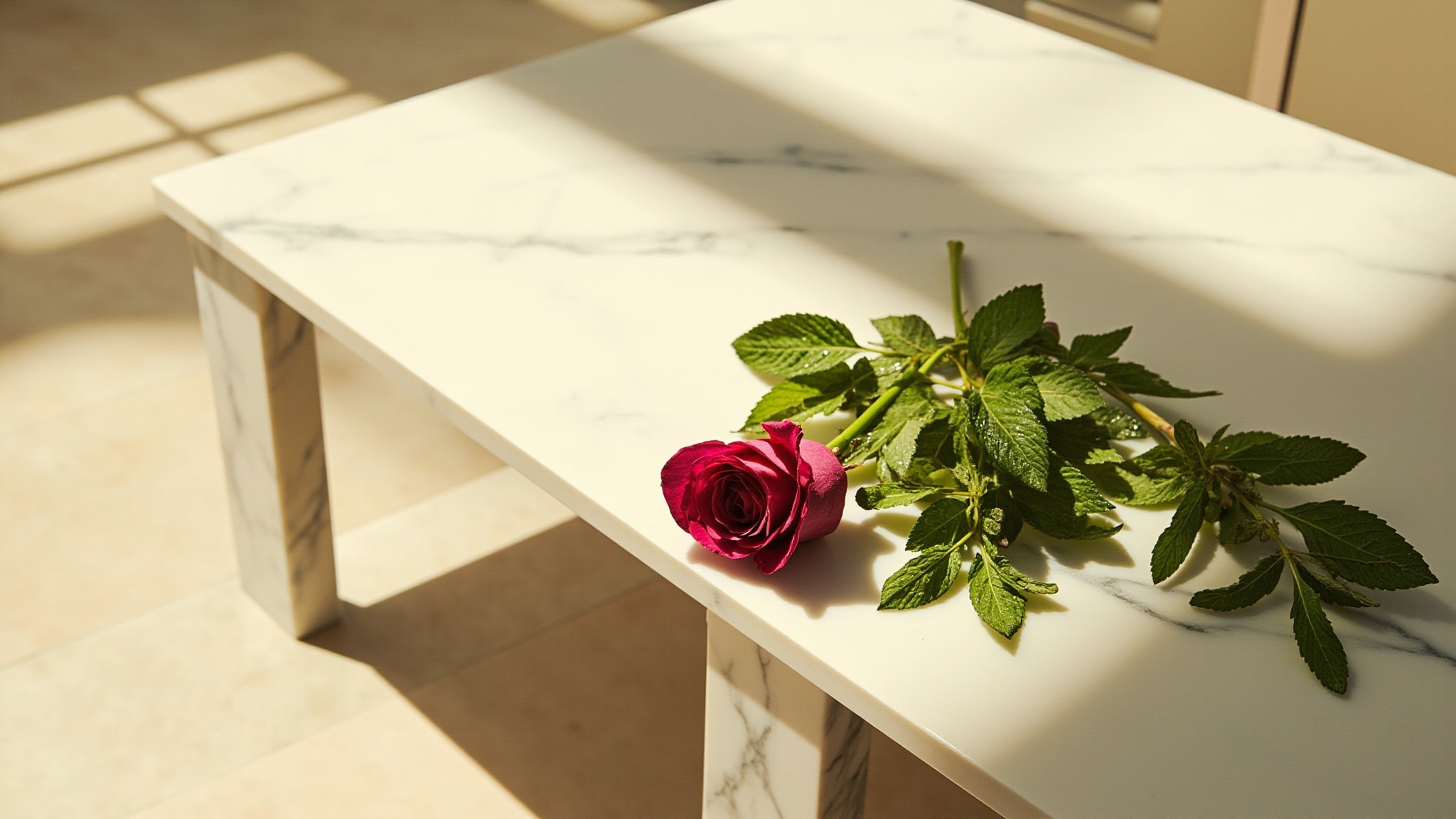
The mint-mate pairing is what makes this work. The mate, a South American herb related to Ilex paraguariensis, brings a bitter, almost medicinal quality that most rose fragrances avoid entirely. The mint isn't the mint of dental advertisements, it's cooler, sharper, more eucalyptus than candy. Together, they reframe Bulgarian rose as something clean, green, and almost stem-like rather than heavy or sweet. The powdery quality in the drydown isn't from musks or vanillas, it's the rose itself, settling into something close to skin.
The evolution
The opening is Italian mandarin and mint. The citrus arrives first, bright and deliberate, and then the mint follows, crisp, almost eucalyptus-like, cutting through. Twenty minutes in, the Bulgarian rose and mate enter together. The rose softens immediately, becoming cleaner and more natural, almost stem-like. The mate adds a bitter greenness that keeps the sweetness honest. By the third hour, the mint has faded and the rose has gone powdery, soft, almost skin-like. The mate lingers as a quiet herbal warmth, close to the body. The fragrance stays intimate and present but never announces itself, with performance that remains moderate and restrained throughout its wear.
Cultural impact
Infusion de Rose occupies an unusual space, it's not a skin-scent or a projection monster, which makes it divisive. The mint-mate combination appeals to people who find traditional rose fragrances too sweet or too simple. It's a quiet favorite among those who appreciate Prada's intellectual restraint. Some find the green bitterness jarring; others find it the entire point.