The Story
Why it exists.
The beginning
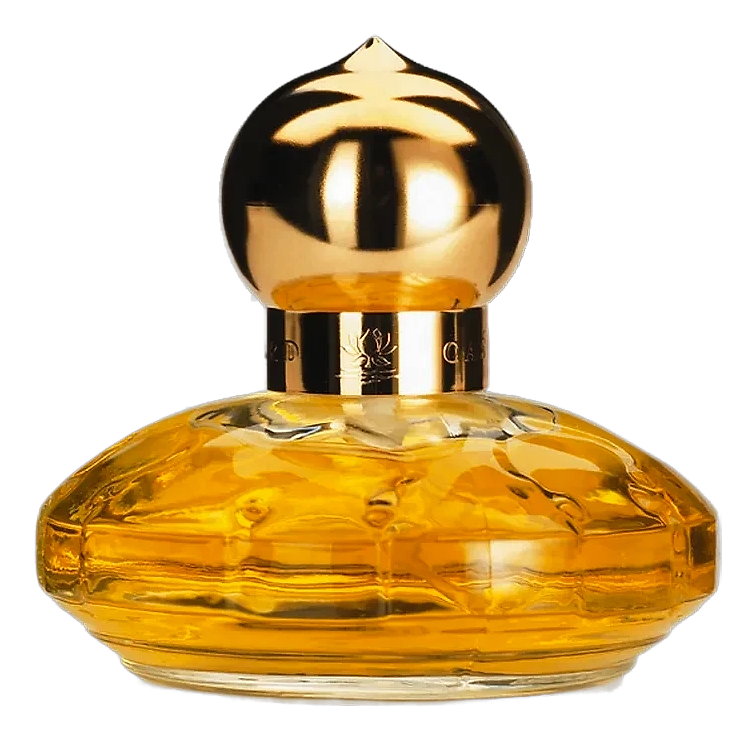
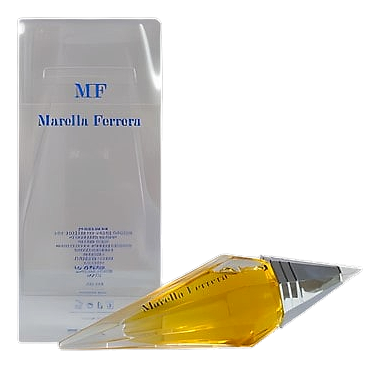
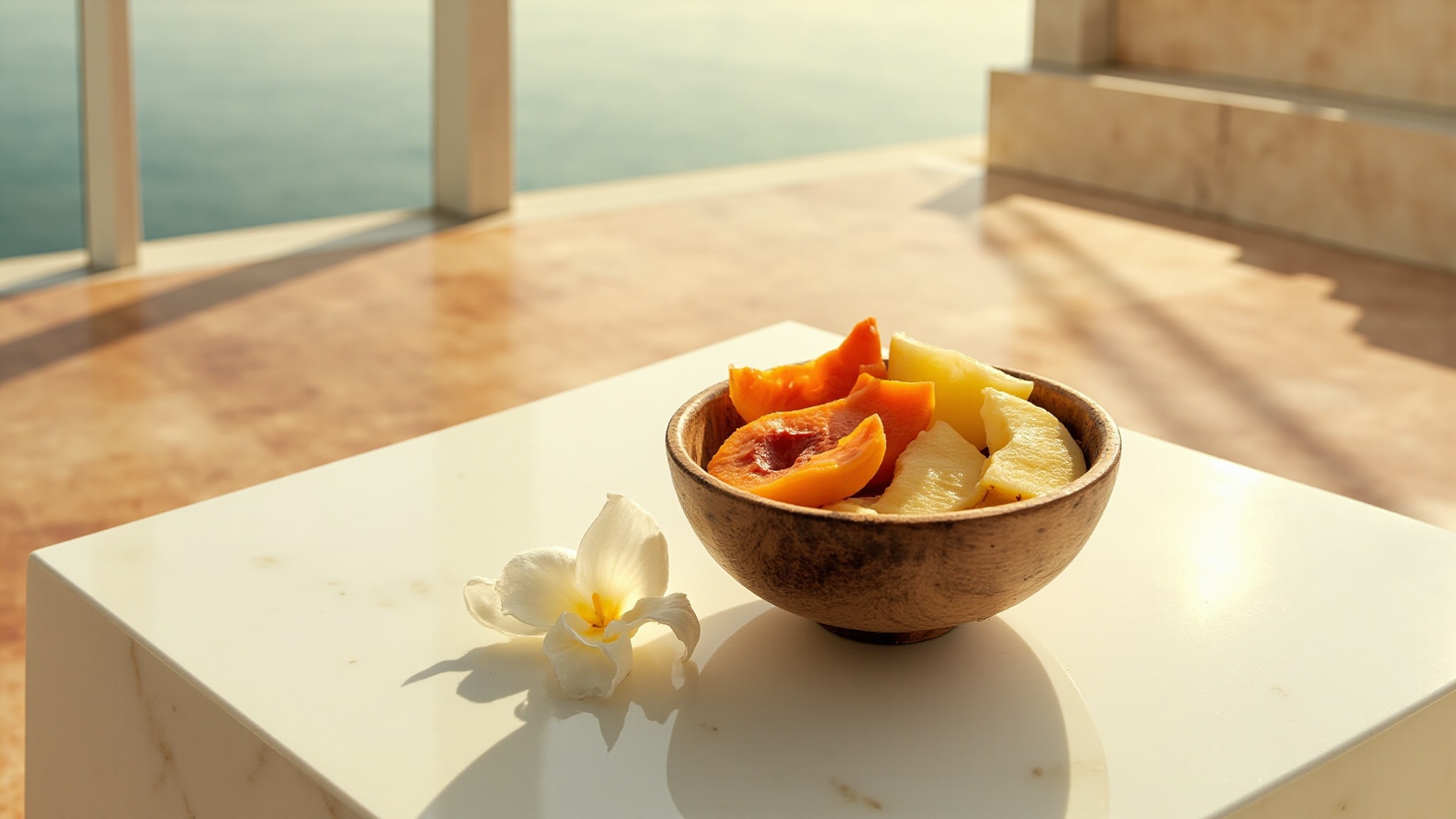
Marella Ferrera launched her eponymous fragrance in 1995, a sweet fruity-floral composition for women that translated a lush aesthetic into scent. The perfume arrived as an olfactory extension of her vision, one that spoke to a particular kind of sun-drenched elegance. The opening offered apricot and pineapple in a tropical duet that felt both bright and intimate, while gardenia brought warmth to the heart. There was spice here too, something that lingered in memory long after the first spray, a reminder of warm afternoons and evenings that stretched comfortably into night.
The note structure itself tells a story. Tropical fruits anchor the composition, but it's the cumin in the heart that shifts everything sideways. Most 90s fruity-florals stayed safe and linear. This one doesn't. Karo Karounde, a rare African flower with a honeyed, slightly animalic quality, appears in the heart alongside more conventional gardenia and jasmine. The result is a fragrance that starts sunny and ends warm, with an oriental depth that sneaks up through the sweetness.
The evolution
The opening hits bright and immediate. Apricot and pineapple arrive together, not competing but amplifying, a tropical duet that smells like late summer. Geranium arrives to add green lift, preventing the sweetness from cloying. Within twenty minutes, the florals take over. Gardenia and jasmine bloom, heavy and white, while cumin adds a faint heat underneath that most wearers either love or find puzzling. The ylang-ylang brings cream. By the hour mark, the drydown begins its slow settle into sandalwood and vanilla, with ambergris adding a saline warmth that rounds everything. On skin, the presence is notable for several hours, with the fragrance developing in waves as different note layers assert themselves. The vanilla and musk foundation can be detected on fabric the next morning, a ghost of sweetness that suggests the wearer without overwhelming the room.
Cultural impact
Released in 1995, the fragrance arrived during a period when fruity-floral compositions were becoming increasingly popular. What distinguished this particular scent was its unusual heart notes and the inclusion of Karo Karounde, a rare African flower that added complexity most contemporaries lacked. The tropical sweetness here avoids linearity, instead unfolding in layers that reveal new aspects over time. Though discontinued, the scent continues to attract those who encounter it, offering a richness that many similar fragrances of its era did not achieve.