
The Story
Why it exists.
The beginning
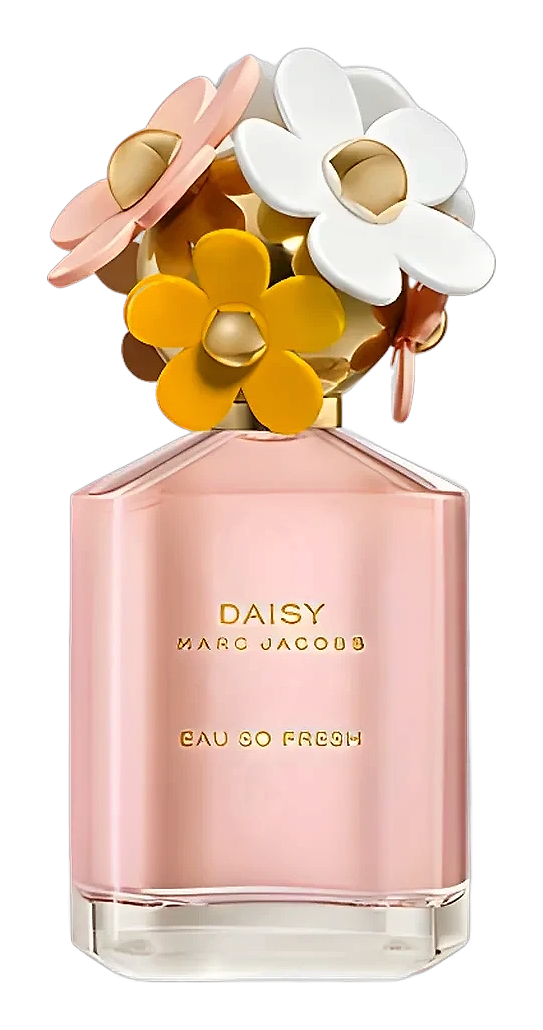
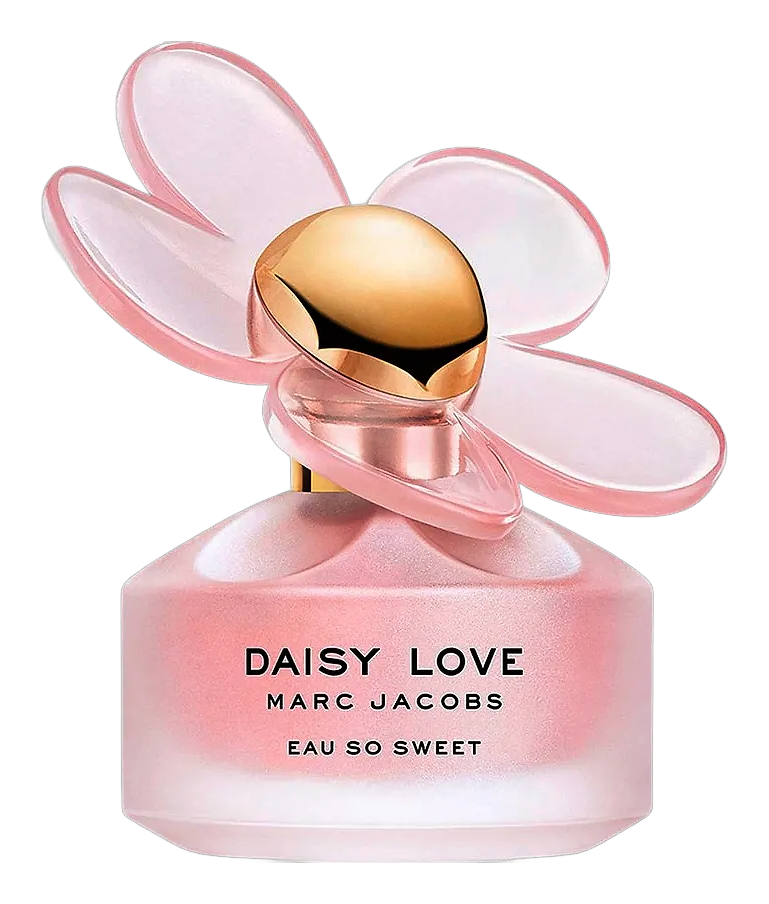
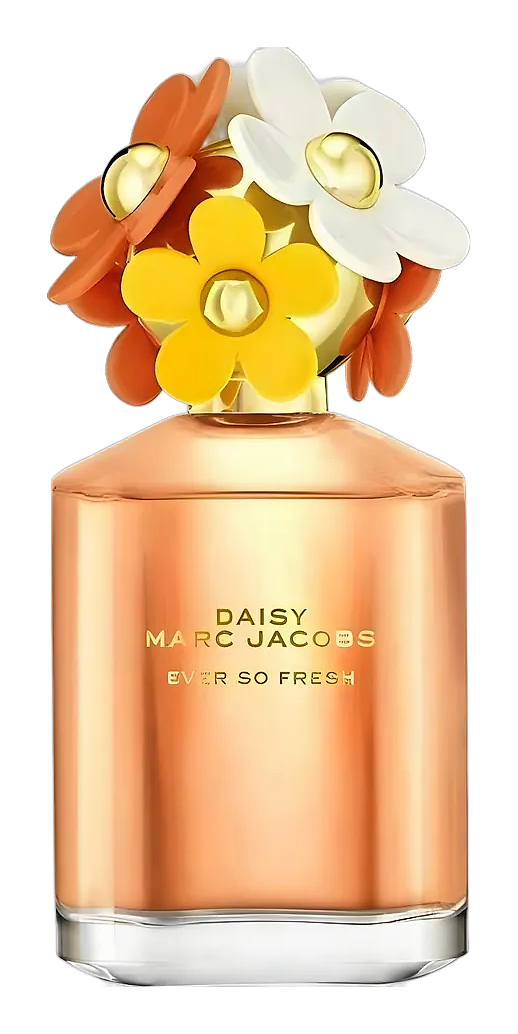
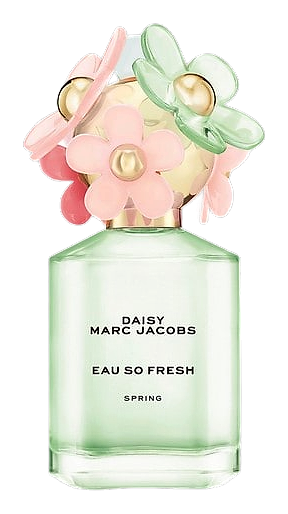
Daisy Eau So Fresh Spring arrived in 2020 as part of the larger Daisy franchise, a line distinguished by its iconic bottle design. This was a limited spring edition, a moment of the season rather than a permanent addition. Alberto Morillas built the composition around a single aromatic thread: green tea flower, sustained through the heart by matcha, anchored by pink pepper. No baggage. No excess. Just the clean, bright character the name promises. The fragrance opens with that delicate floral green note, which feels both fresh and quietly sophisticated, a subtle introduction that signals what kind of scent experience follows.
What makes this structure unusual is the matcha. In perfumery, it's more often a supporting character, a green, slightly bitter nuance tucked behind citrus or florals. Here it's the heart, the note everything else orbits around. The entire fragrance breathes through it. Pink pepper appears in the base, where it brings a soft spice that keeps the green tea from feeling too precious or one-dimensional. The three notes aren't layers so much as a single sustained idea with different angles of light.
The evolution
The opening is green without the usual citrus brightness. Pink pepper is already there, lending an unexpected sharpness beneath the tea. It reads clean, cool, almost mineral, like the air on a March morning before the sun fully commits. The heart settles into a quiet matcha presence. No dramatic shift. The umami quality shows up as something savory, slightly bitter, the kind of complexity that reveals itself only if you're paying attention. The drydown is where pink pepper finally warms through, a soft spice that stays close and lingers for a couple of hours. Not loud. Not heavy. Just the slow exhale of green tea that's cooled past drinking temperature.
Cultural impact
The 2020 limited edition arrived during a period when green tea and matcha had gained significant popularity in lifestyle contexts. The fragrance presented these familiar notes in a new context, transforming them into a wearable scent experience. As a limited seasonal release, it offered something distinct for those seeking an alternative to the brand's permanent fragrance lineup. The approach gave the edition a sense of occasion and discovery for fragrance enthusiasts.
The House
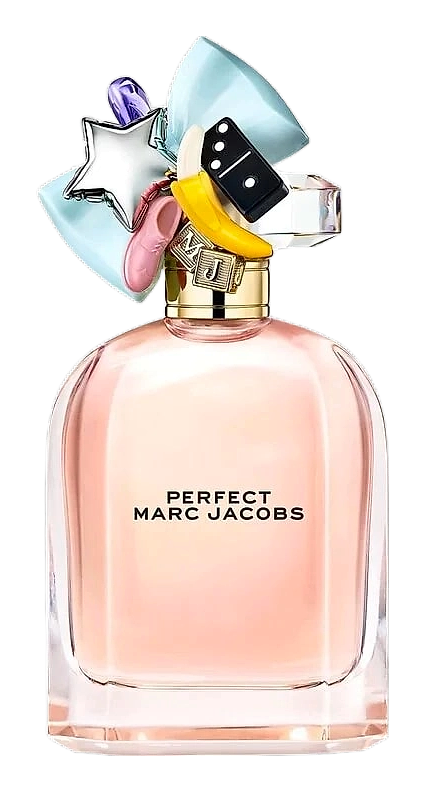
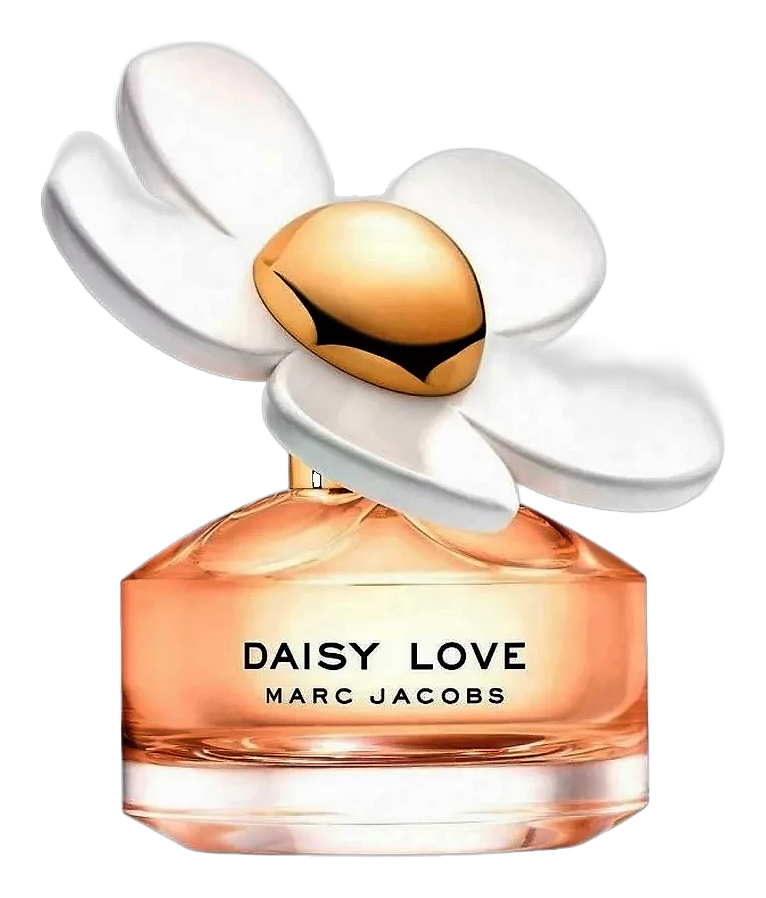
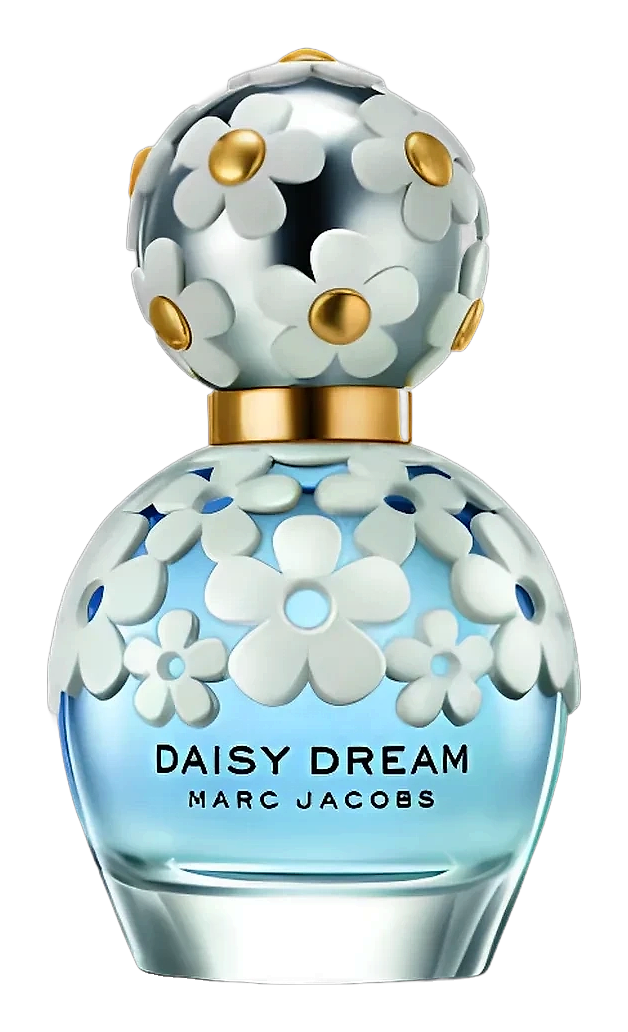
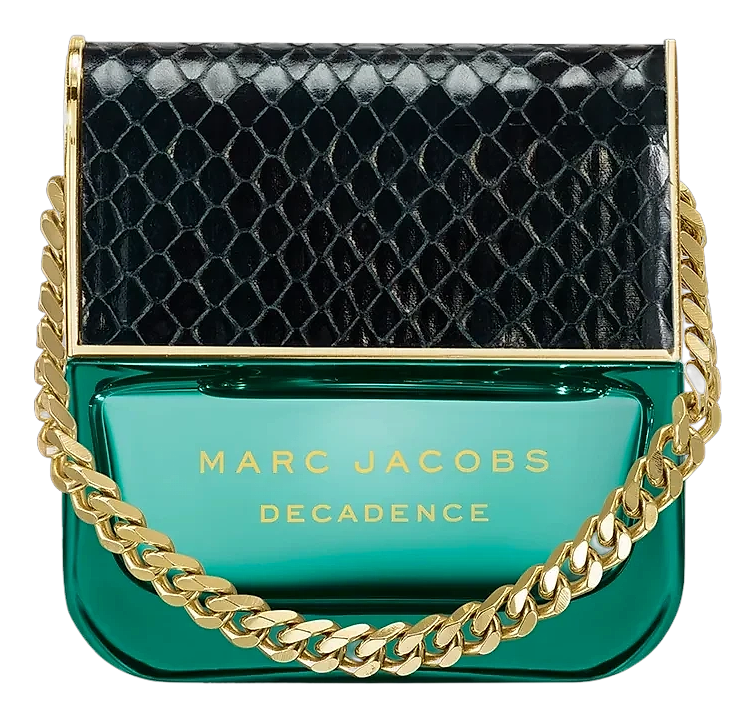
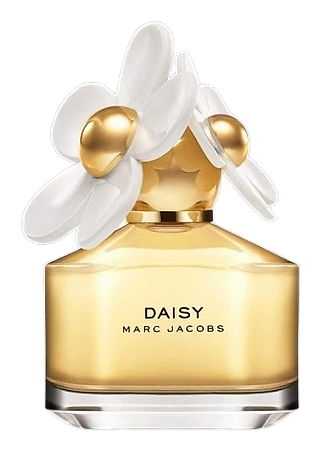
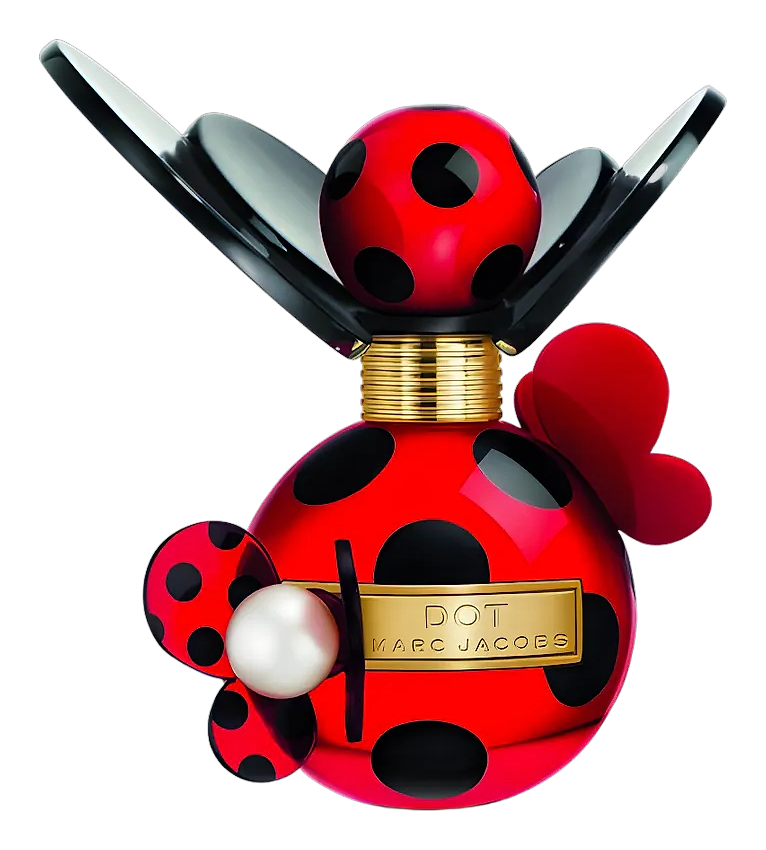
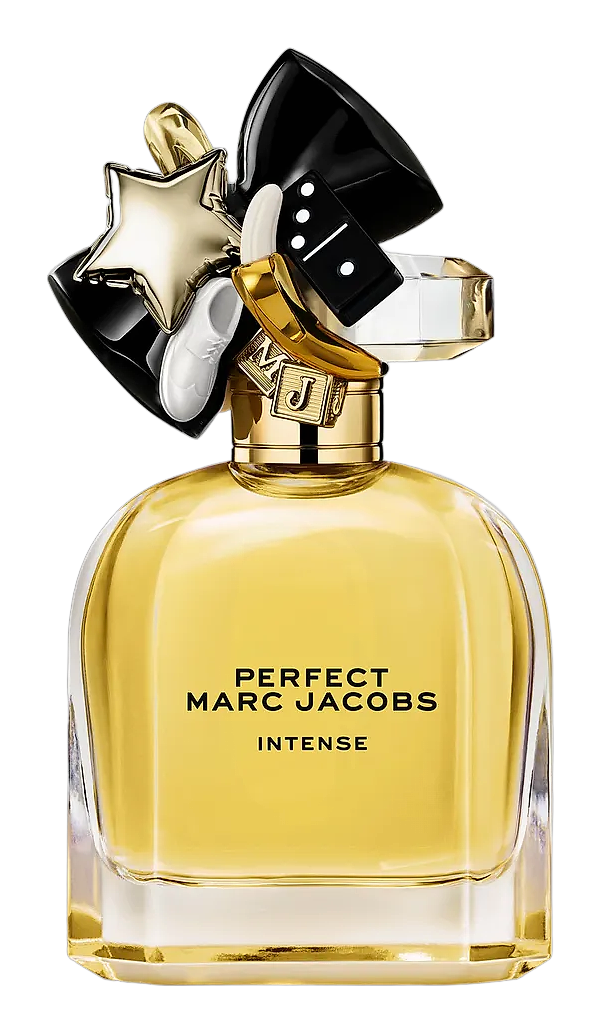
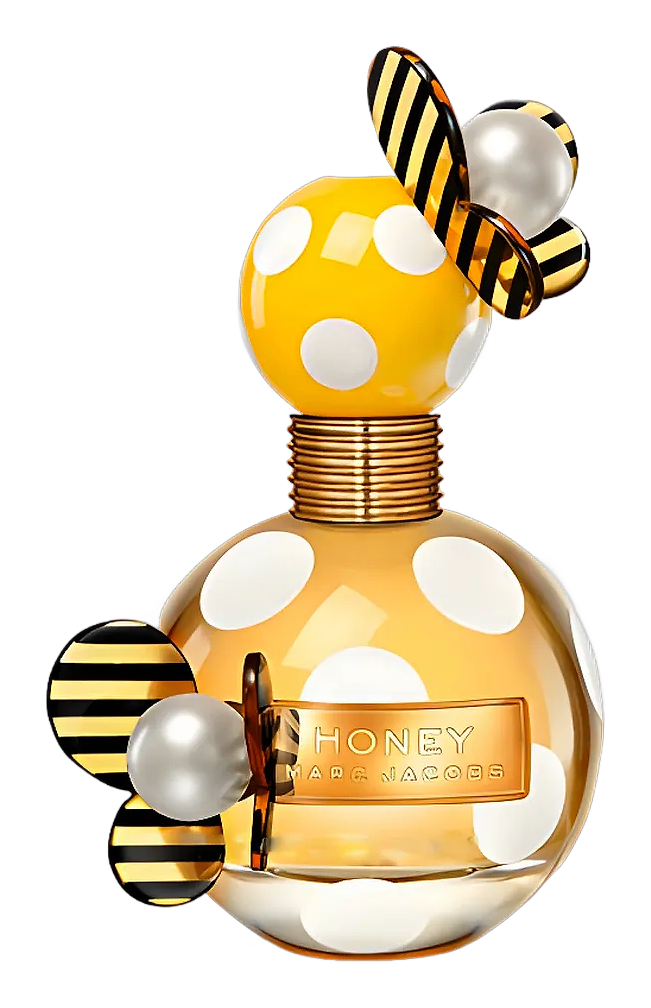
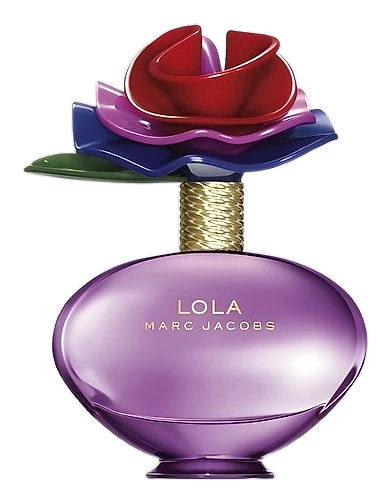
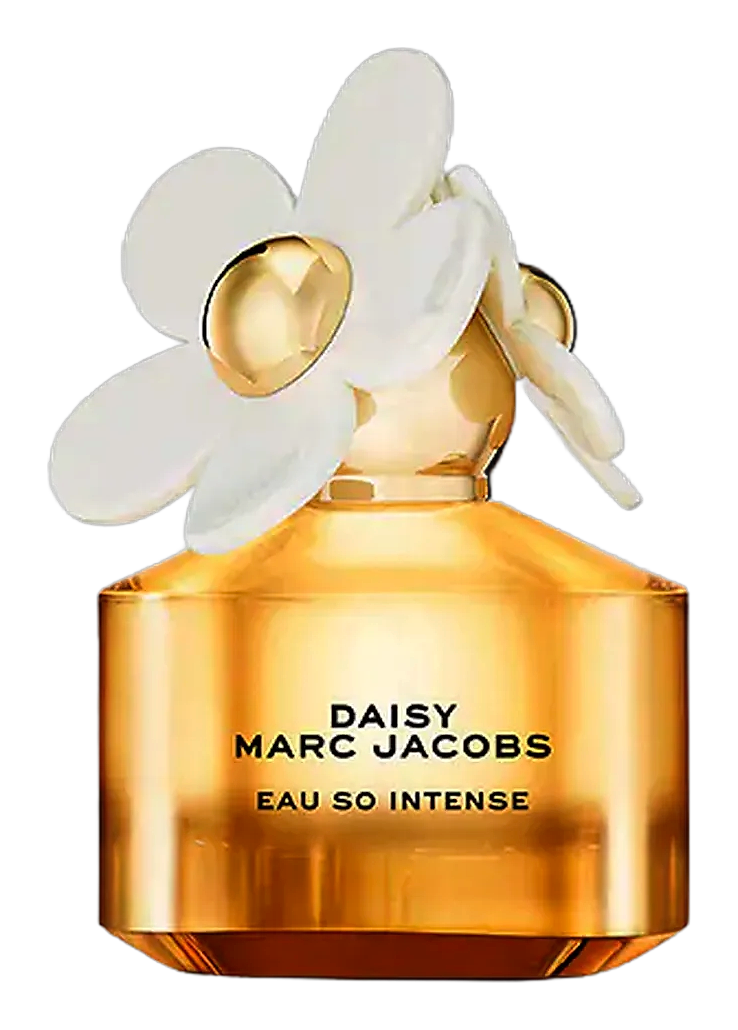
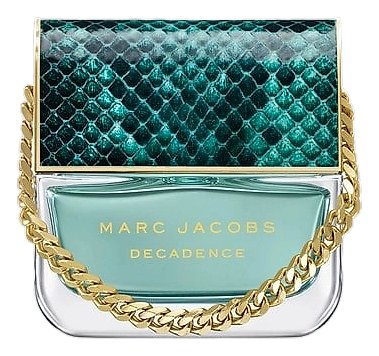
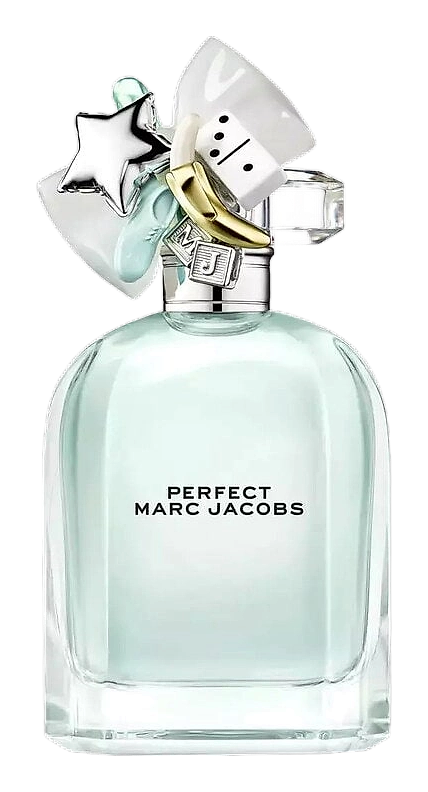
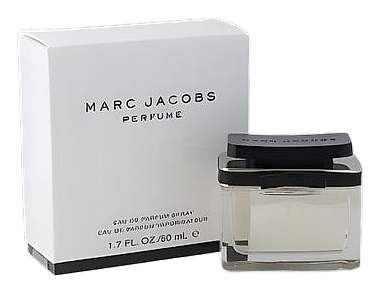
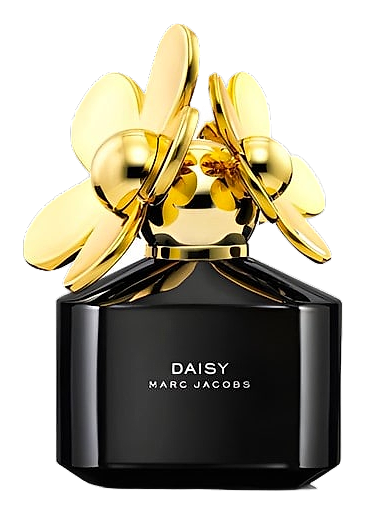
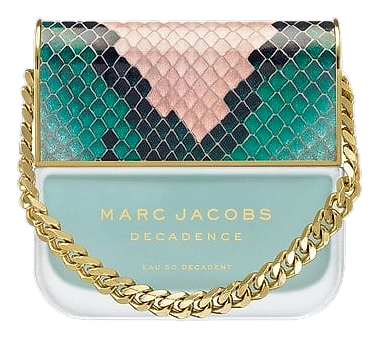
Marc JacobsMarc Jacobs fragrances, produced under license by Coty, launched in 2001 with Marc Jacobs for Women, followed by a companion men's scent in 2002. The brand has since built an extensive portfolio of fragrances anchored by signature lines including Daisy (2007), Lola (2009), Decadence (2015), and Perfect (2020). Daisy, named after Daisy Buchanan from F. Scott Fitzgerald's The Great Gatsby, quickly became a defining success for the brand, spawning numerous flankers and variations across multiple collections. The line's visual identity, with its oversized daisy cap atop a clean bottle, became one of the most recognizable silhouettes in contemporary perfumery. Decadence introduced a handbag-shaped bottle on a gold tasselled chain, a notably unconventional vessel for fragrance at the time of its launch. The brand has collaborated with a broad roster of perfumers over the years, including Annie Buzantian, Ann Gottlieb, Steve DeMercado, Loc Dong, Alberto Morillas, and Calice Becker, among many others. Marc Jacobs fragrances are available at major department stores worldwide and online.
The Creator
Alberto MorillasMorillas' style is characterized by a luminous transparency and a masterful use of musks. He often incorporates citrus notes to create a bright, uplifting effect.