Green Tea Flower
The delicate blossom of the tea plant delivers a scent often overshadowed by its leaves, yet Green Tea Flower holds its own quiet complexity in fine fragrance. Its honeyed freshness bridges green and floral families with effortless grace.
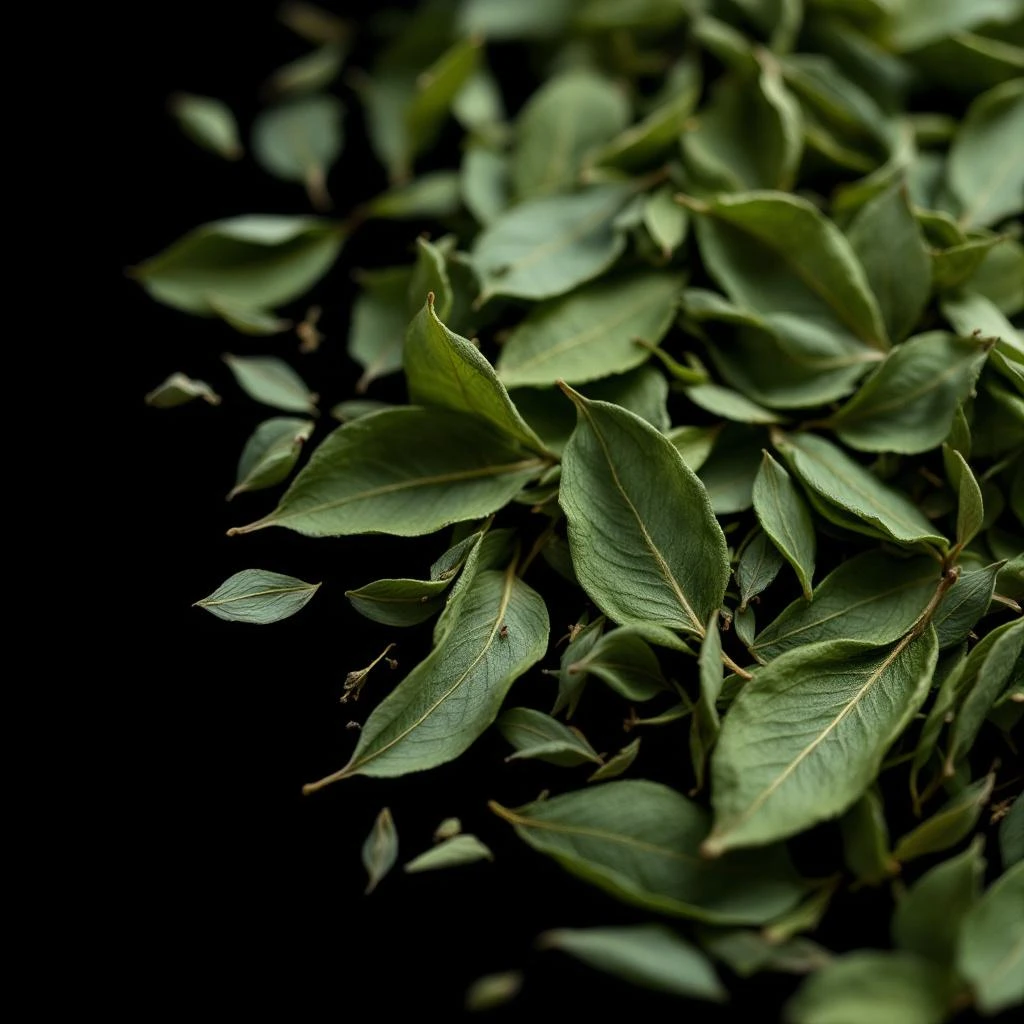
Character
How it smells
Fresh blossoms with garden-fresh elegance
Green tea flowers bloom for only a few weeks each year, making their fragrance extract exceptionally rare in perfumery.




Origin
China
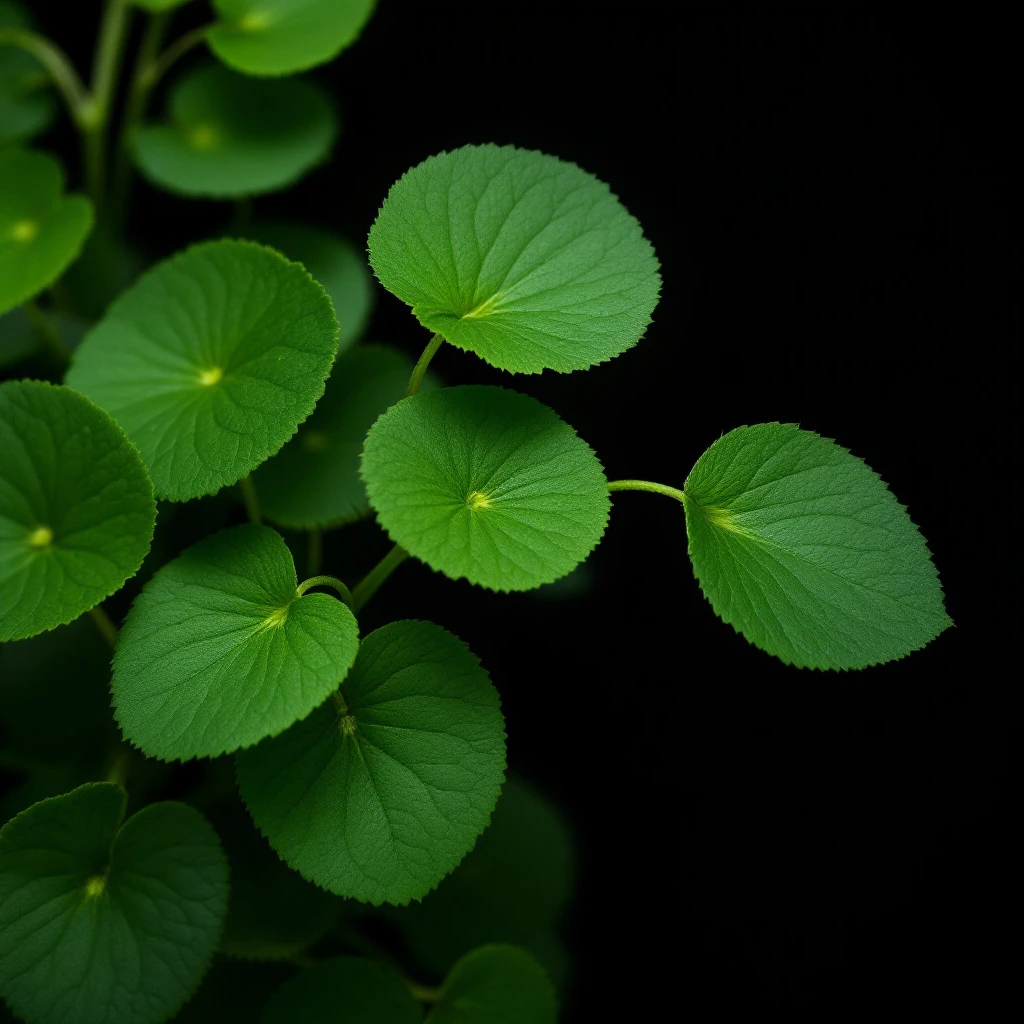
Camellia sinensis has been cultivated in China for millennia, with records of tea drinking dating to the Shang dynasty around 1100 BCE and organized cultivation flourishing during the Tang dynasty in the 7th century CE. For most of this history, the plant's value lay entirely in its leaves.
The flowers remained largely overlooked until modern perfumers began studying the full aromatic potential of the tea plant. Scientific analysis in recent decades identified phenylethyl alcohol and acetophenone as the key fragrant molecules in green tea flowers, revealing a scent profile distinct from the leafy, slightly bitter character of tea leaf oil.
This discovery opened a new chapter for perfumers, who now treat the flower as a rare botanical material with a light, honeyed floralcy that adds subtle freshness to compositions. Though centuries behind tea leaves in perfumery history, green tea flower has quickly found its place in fresh, minimalist fragrance design.
Wears it best
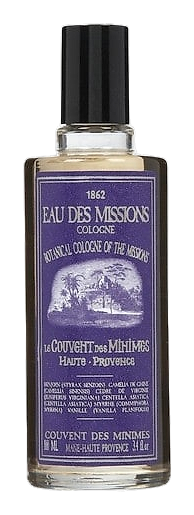
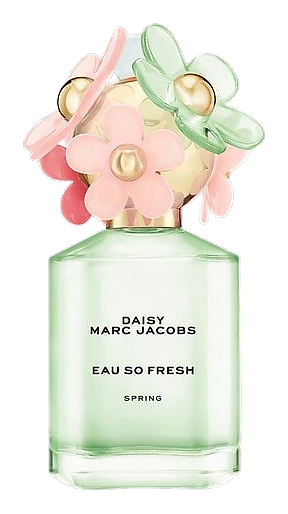
Fragrances featuring Green Tea Flower

Brands
Brands known for Green Tea Flower
Good to know
Questions, answered
The essentials on Green Tea Flower in perfumery: how it smells, where it comes from, and how it behaves on skin.
What does Green Tea Flower smell like?
Green Tea Flower has a light, fresh, slightly sweet floral scent with honeydew and green cucumber-like freshness. It reads as a delicate white floral with a clean, garden-fresh quality that differs markedly from the leafy, slightly bitter character of tea leaf.
Is Green Tea Flower natural or synthetic?
The flower of Camellia sinensis does produce natural fragrant compounds including phenylethyl alcohol and acetophenone. However, the short blooming season and delicate petals make natural extraction impractical at scale, so most perfumers use synthetic aromatic materials that replicate the flower's scent profile.
What fragrance family does Green Tea Flower belong to?
Green Tea Flower falls within the fresh botanical note category, bridging the green and floral fragrance families. It is especially prominent in contemporary and minimalist perfumery, where its clean, airy character aligns with modern taste preferences.
In which fragrance products is Green Tea Flower typically used?
Green Tea Flower appears most often in women's and gender-neutral eaux, particularly in fresh florientals, green chypres, and lightweight citrus compositions. It functions as a supporting note that adds botanical freshness without dominating the heart of a fragrance.
How does Green Tea Flower differ from Green Tea Leaf?
Green Tea Leaf provides the characteristic crisp, leafy, slightly bitter aroma associated with Matcha and Japanese green tea in perfumery. Green Tea Flower, by contrast, is softer, sweeter, and more floral, offering a honeyed freshness that complements rather than competes with the leaf note.
Why is Green Tea Flower considered rare in perfumery?
The flowers of Camellia sinensis bloom for only a brief window each year during the harvest season, and the petals are too delicate for simple steam distillation. These constraints make the natural absolute difficult to source commercially, driving most perfumers toward synthetic recreations of its key aromatic molecules.
What notes pair well with Green Tea Flower?
Green Tea Flower blends naturally with citrus, white musk, bamboo, cucumber, light woods, and soft florals like magnolia and peony. It acts as a bridging note that connects green and floral facets without adding weight or sweetness.
Has Green Tea Flower always been used in perfumery?
No. While tea leaves have been used in perfumery since the 20th century, the flower remained largely unstudied until recent scientific analysis identified its key fragrant components. Its use as a named perfumery ingredient emerged only in the past few decades, making it one of the newer botanical materials in the fragrance industry.