Centella Asiatica
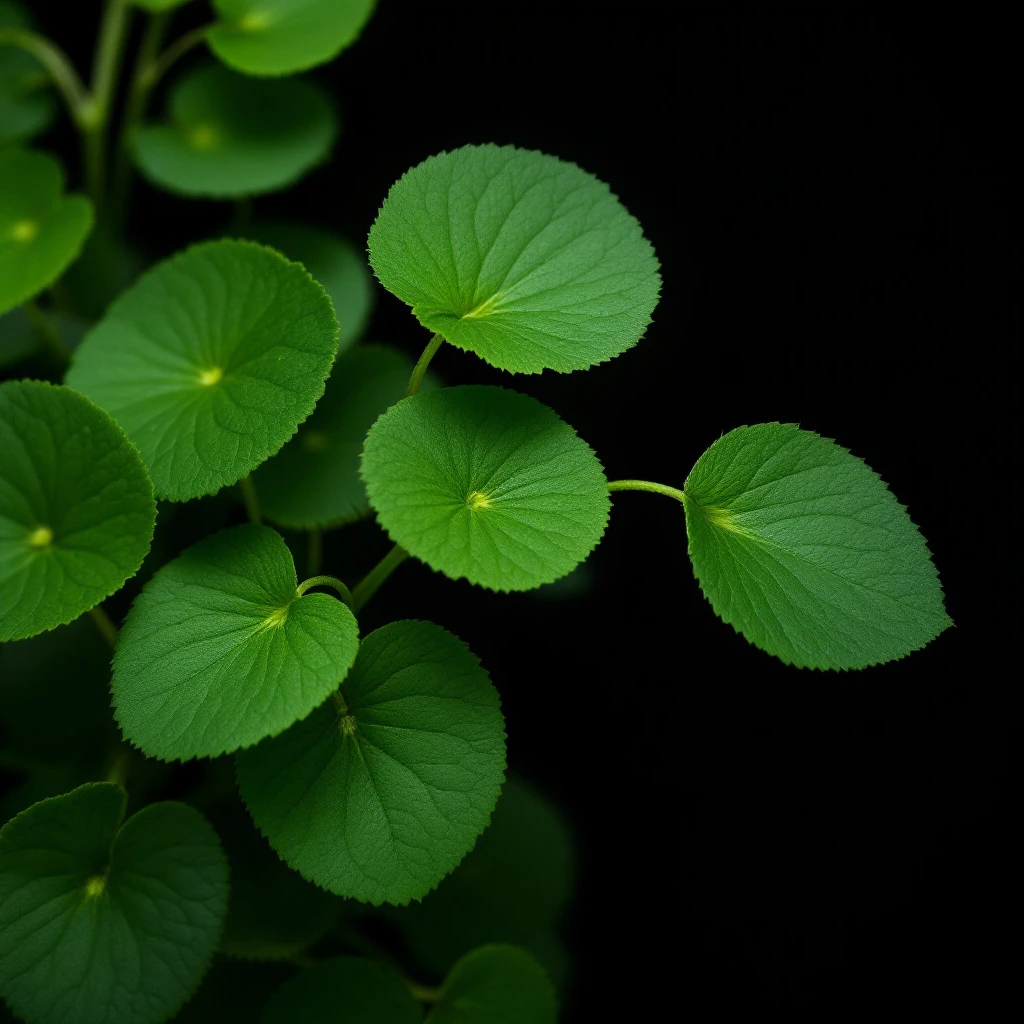
Centella Asiatica, called gotu kola in wellness circles, has anchored traditional medicine cabinets across Asia and Africa for three thousand years. This creeping herb carries a mildly bitter, green profile that perfumers increasingly pair with modern aromatics to evoke ancient healing wisdom.
Character
How it smells
Three-thousand-year-old medicinal herb with green, calming presence
Ancient Ayurvedic texts named Centella Asiatica the "herb of enlightenment," believed to sharpen meditation and deepen spiritual awareness.





Origin
India
Three thousand years ago, healers across China, India, Africa, the Philippines, Sri Lanka, and Madagascar independently reached for the same unassuming creeping plant. They called it a panacea. Ancient Ayurvedic practitioners ranked Centella Asiatica among their most sacred herbs, prescribing it for skin conditions, fatigue, and cognitive clarity.
Traditional Chinese medicine texts recorded its use for respiratory support and detoxification. A Laotian legend speaks of a young forager who discovered the herb and healed her community, cementing its place in regional folklore. From Madagascar's highlands to the Philippines' humid lowlands, this plant crossed cultural boundaries without losing its identity.
Modern researchers now confirm what those ancient healers intuited: the triterpenoids in Centella Asiatica genuinely support skin repair and moderating inflammation.
Wears it best
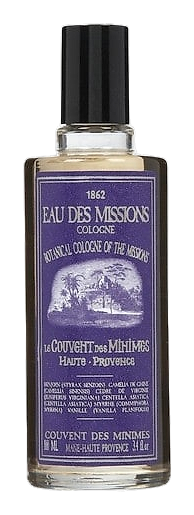
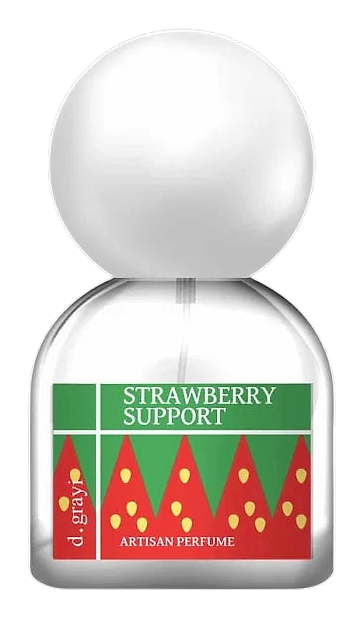
Fragrances featuring Centella Asiatica
Brands
Brands known for Centella Asiatica
Good to know
Questions, answered
The essentials on Centella Asiatica in perfumery: how it smells, where it comes from, and how it behaves on skin.
What does Centella Asiatica smell like in fragrance?
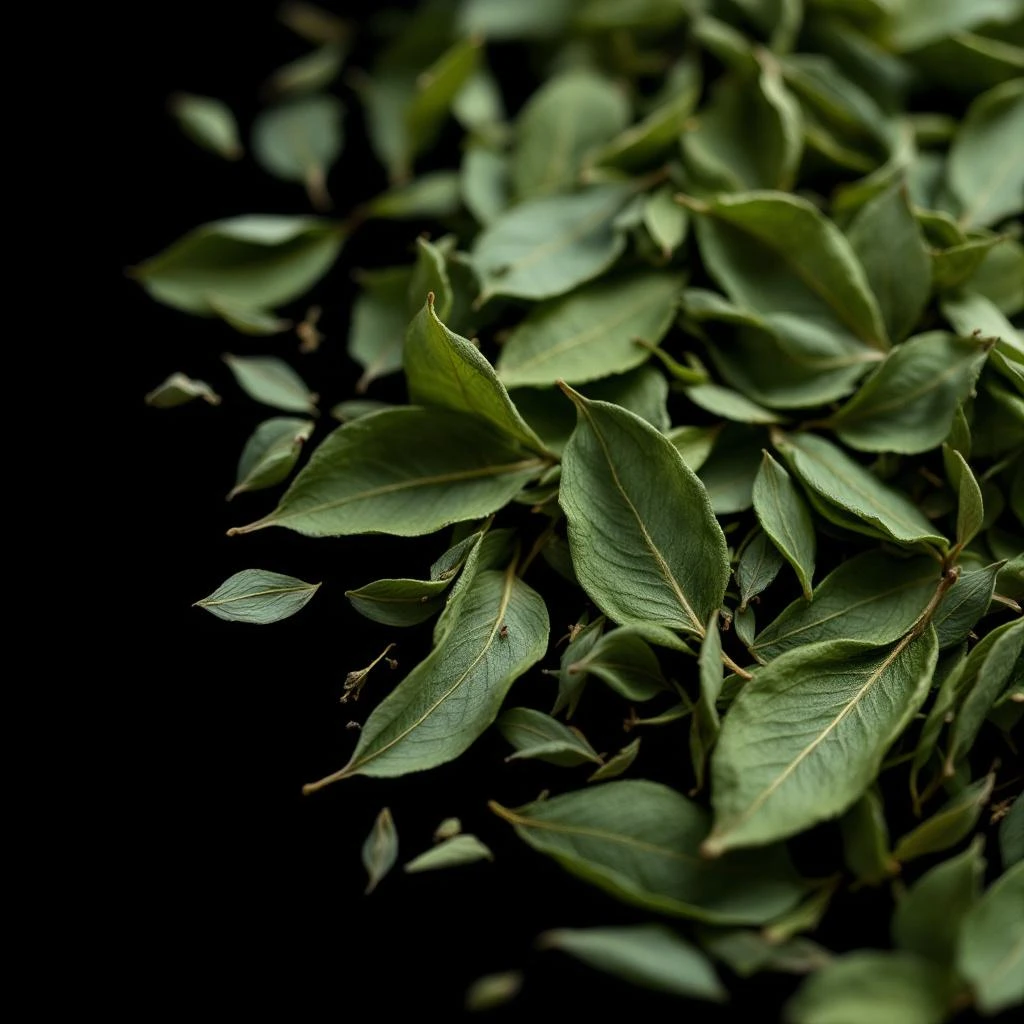
Centella Asiatica carries a mild, green, slightly bitter aroma reminiscent of fresh-cut herbs. Perfumers value it more for its skin-calming properties than its scent, using it as a functional ingredient that supports the olfactory experience without dominating it.
How long has Centella Asiatica been used in traditional medicine?
Healers have used Centella Asiatica for three thousand years across Asia and Africa. Ancient Ayurvedic and traditional Chinese medicine systems incorporated it as a treatment for skin conditions, cognitive issues, and inflammatory disorders.
Which parts of the Centella Asiatica plant go into perfumery extracts?
Perfumers and cosmetics manufacturers use the stalks and leaves of the plant. These aerial parts contain the highest concentration of bioactive triterpenoids, including asiaticoside and madecassoside, after maceration in water and propylene glycol.
Does the country of origin affect Centella Asiatica extract quality?
Yes. The concentration of active compounds varies by geographic origin due to differences in soil composition, altitude, and climate. Extracts from Madagascar, Sri Lanka, and India each display distinct chemical profiles that influence their efficacy in final formulations.
Is Centella Asiatica extract water-soluble?
Centella Asiatica extract is fully water-soluble when produced through maceration in water and propylene glycol. This property makes it compatible with aqueous cosmetic and fragrance formulations without requiring additional solubilizers.
What compounds give Centella Asiatica its functional properties?
The key bioactive compounds are asiaticoside and madecassoside, both triterpenoid saponins. These molecules support the herb's documented anti-inflammatory and skin-repairing effects that perfumers leverage in modern formulations.
How big is the global market for Centella Asiatica extract?
The global market reached $1.8 billion in 2025 and analysts project growth to $3.9 billion by 2034, reflecting an 8.9% compound annual growth rate driven by demand in cosmetics and wellness sectors.
Is Centella Asiatica related to gotu kola?
Centella Asiatica and gotu kola refer to the same plant. Gotu kola represents the common English and Ayurvedic name, while Centella Asiatica serves as the botanical designation used in scientific and regulatory contexts worldwide.