The Story
Why it exists.
The beginning
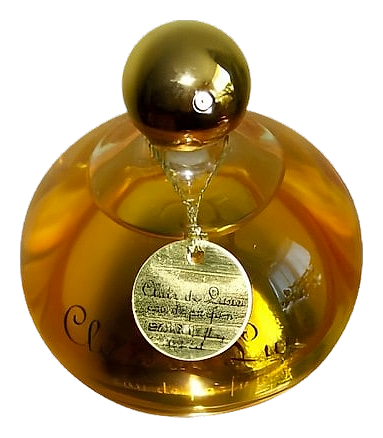
Clair de Lune, moonlight, draws from a long artistic tradition. Marbert's 2002 interpretation channels that reference into something unexpectedly warm. The name suggests something delicate, pale, distant. But the composition tells a different story: the warmth that gathers after the sun goes down, not the cold gleam of silver light. This is a fragrance about contrast, spice and honey, florals and resin, working in the same direction. Symrise built it for a woman who wants to smell like herself, only more so.
The cinnamon-mandarin opening is unusual. Cinnamon usually appears deeper in a pyramid, as a drydown element. Here it arrives first, bright and fierce, while the mandarin orange cuts through with actual citrus sharpness. Most oriental florals start sweet and stay sweet. This one opens with intent. The honey in the base isn't the loud sticky kind, it reads more like a warmth that accumulates in skin over hours, the kind that makes someone lean closer rather than pull away.
The evolution
The opening is quick and confident. Mandarin orange's citrus brightness arrives first, followed within seconds by cinnamon's warmth. The combination creates an unexpected freshness, spices that smell bright, not heavy. This phase lasts about 30 minutes before the florals begin to assert themselves. Rose and jasmine arrive together, with jasmine's tropical depth anchoring rose's sharpness. Ylang-ylang adds creaminess while orange blossom sweetens the transition. By the second hour, the composition has settled into something warmer and more resinous. Honey becomes perceptible, not loud, alongside benzoin's gentle resin and vanilla's slow warmth. The sandalwood in the base keeps everything close to skin. Four to six hours in, what's left is a soft honeyed vanilla that whispers rather than announces. The projection is intimate, this is a fragrance you wear for yourself, with the occasional reward of someone noticing you've been close.
Cultural impact
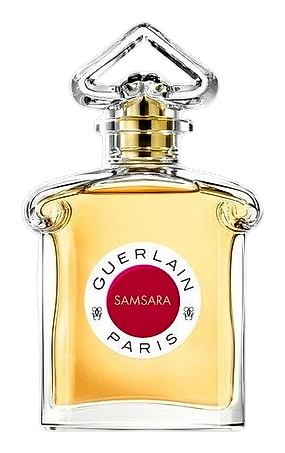
Clair de Lune positioned itself within the oriental floral tradition alongside Guerlain's Samsara and Dior's Poison, fragrances known for warmth, richness, and presence. But Marbert's German sensibility kept things restrained. This is orientalism without excess, for a woman who wants warmth and spice without feeling wrapped in a blanket. The house's emphasis on reliability shows: it's a fragrance that performs consistently, built to last rather than to announce.