The Story
Why it exists.
The beginning
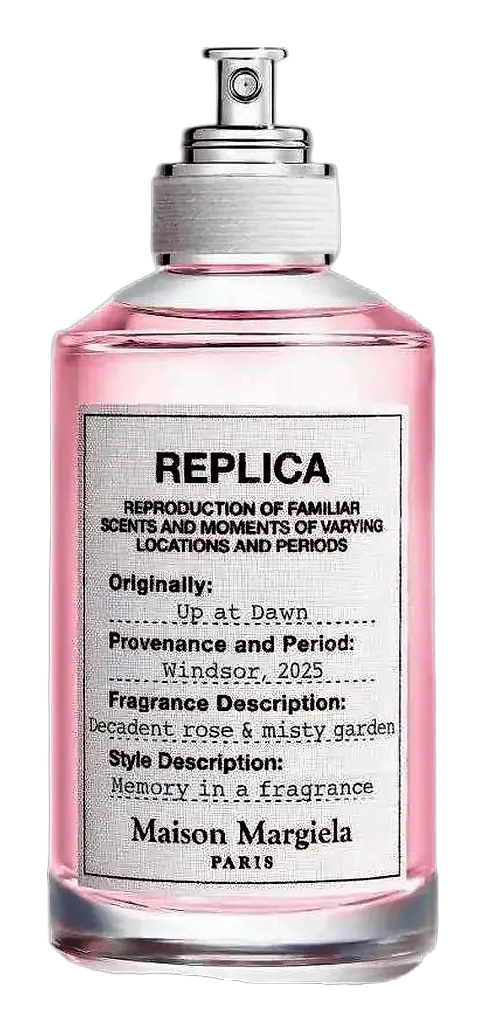
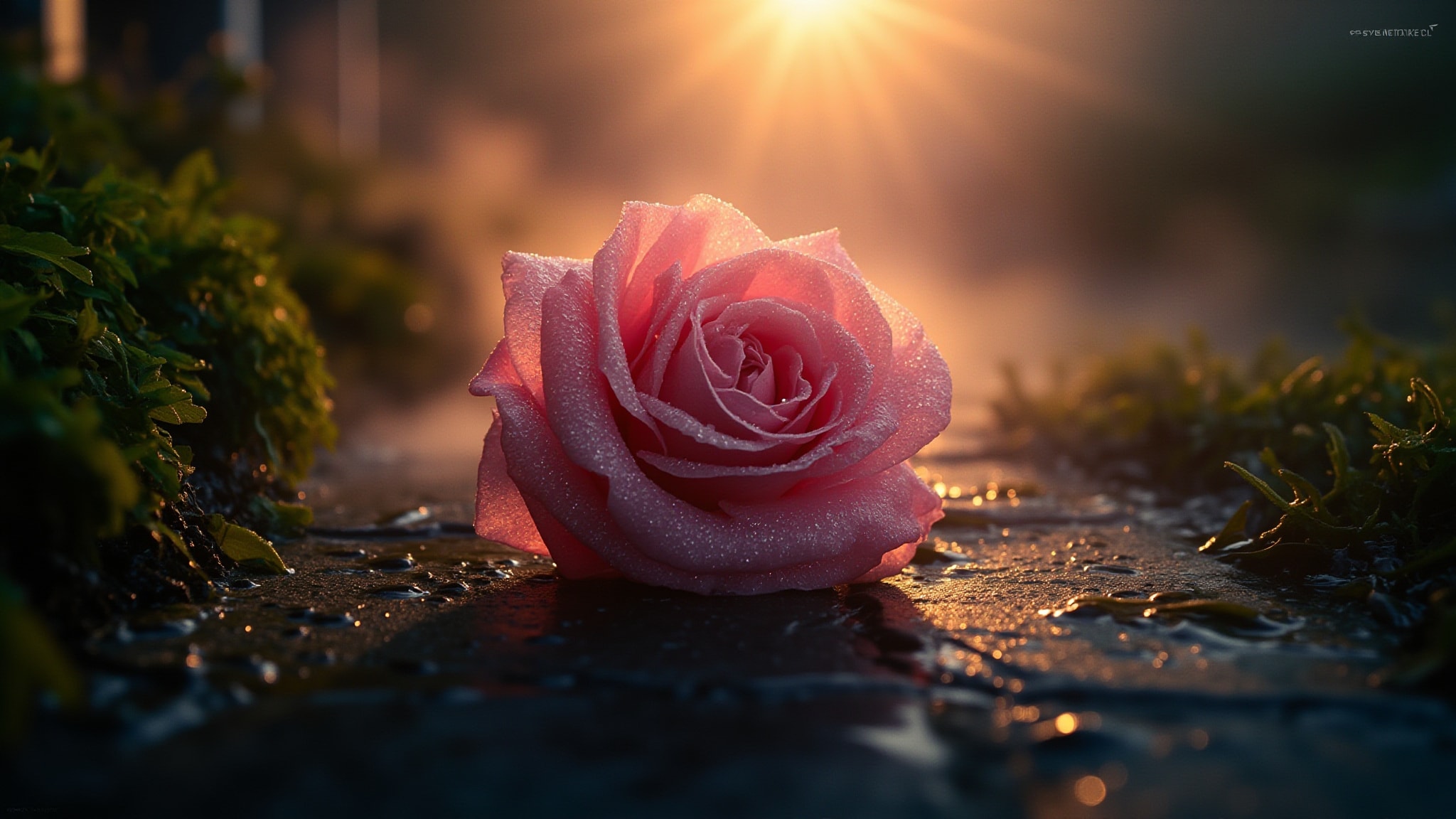
Up At Dawn takes its name seriously. This is the fragrance of a garden in the interval, that moment just before sunrise when the world is still deciding what to become. The perfumer Juliette Karagueuzoglou translated that threshold into scent: an opening that feels like cool air moving across wet earth, a heart of rose that's dewy rather than romantic, and a base of moss and patchouli that holds everything in place, like the garden after the fog lifts and the light goes gold. No narrative invention needed. The name is the brief.
The most interesting structural choice in Up At Dawn is the placement of the earthy note, not as a drydown, but as the opening. Before the florals arrive, before the warmth settles, there's soil. Mineral. Damp. A smell that makes you check if it rained. This shifts the entire composition: the rose that follows reads as discovered, not presented. You find it, it's not given to you. The ambrette seed absolute from Guatemala plays a quieter role, musky, slightly nutty, but it's the bridge that keeps the rose from going sweet.
The evolution
The opening hits immediately: pink pepper and elemi over an earthy base, a mineral note that reads like wet stone more than soil. Fifteen minutes in, the rose arrives, bright, almost green, and with it comes the dewy quality the brand describes. The orris shows up in the next hour, bringing powdery iris that softens everything without making it sweet. By the late drydown, the rose has resolved into moss and patchouli, something green and slightly bitter, like stems left behind in a vase. The musk and cashmeran hold the whole thing together, skin-close and smooth. The sillage projects modestly, staying close to the skin rather than announcing itself across a room.
Cultural impact
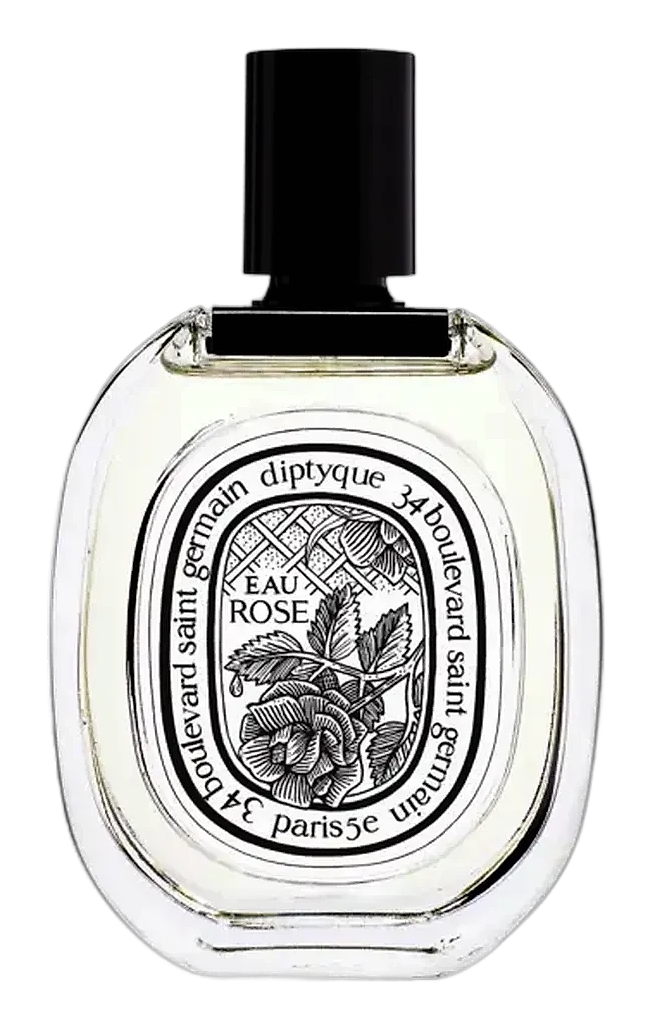
Up at Dawn occupies an interesting position in the rose category: it refuses both the sweet romantic rose and the clean aquatic rose. Instead, it goes earthy and mossy, offering something different within the rose landscape. Community response describes it as romantic, dewy, and refreshing, with the earthy quality earning particular praise from people who don't typically trust rose. The reception suggests this is a fragrance that can appeal beyond the usual rose devotee, finding admirers among those who might have avoided the genre otherwise.