Guatemala Ambrette Seed Absolute
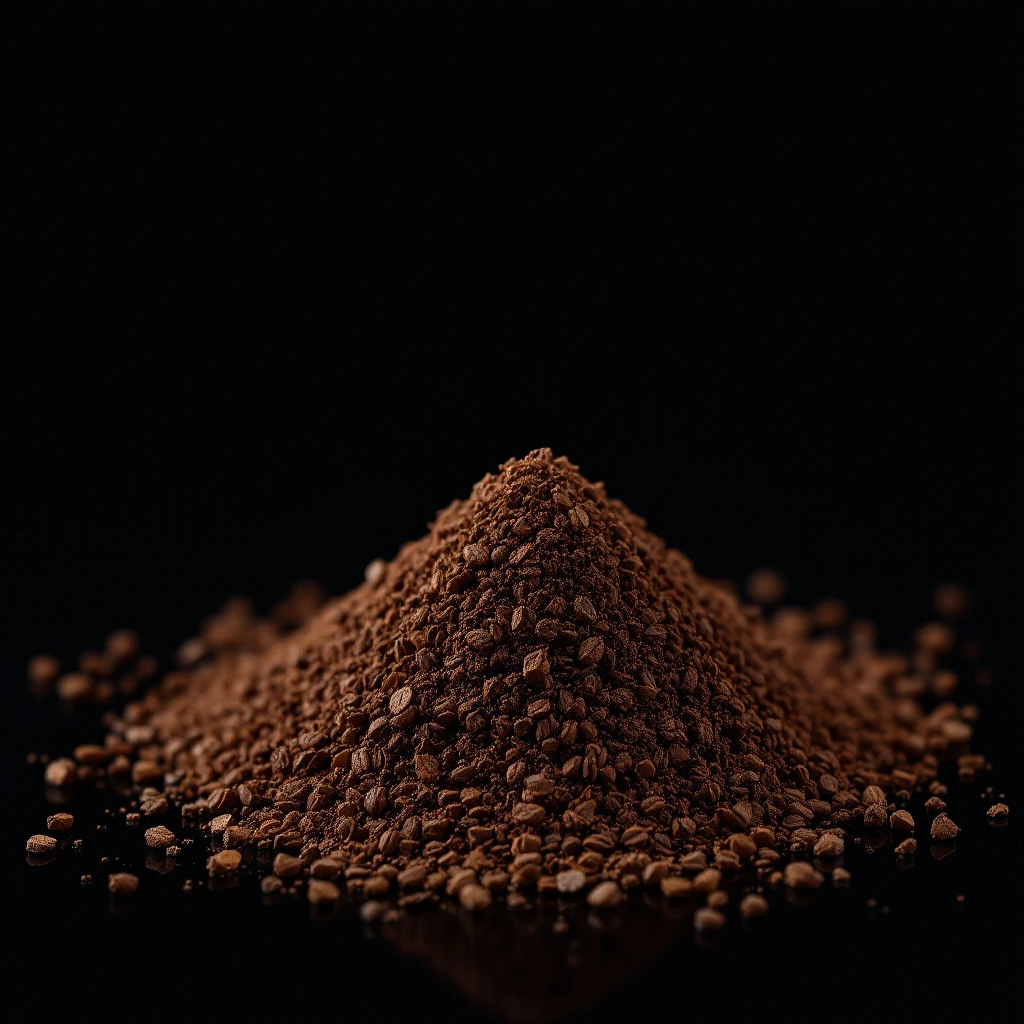
Guatemala Ambrette Seed Absolute captures one of nature's rarest plant musks. Extracted from the seeds of a tropical hibiscus, it delivers a warm, powdery, ambery signature with delicate floral nuances—a sophisticated natural alternative to synthetic musks.
Character
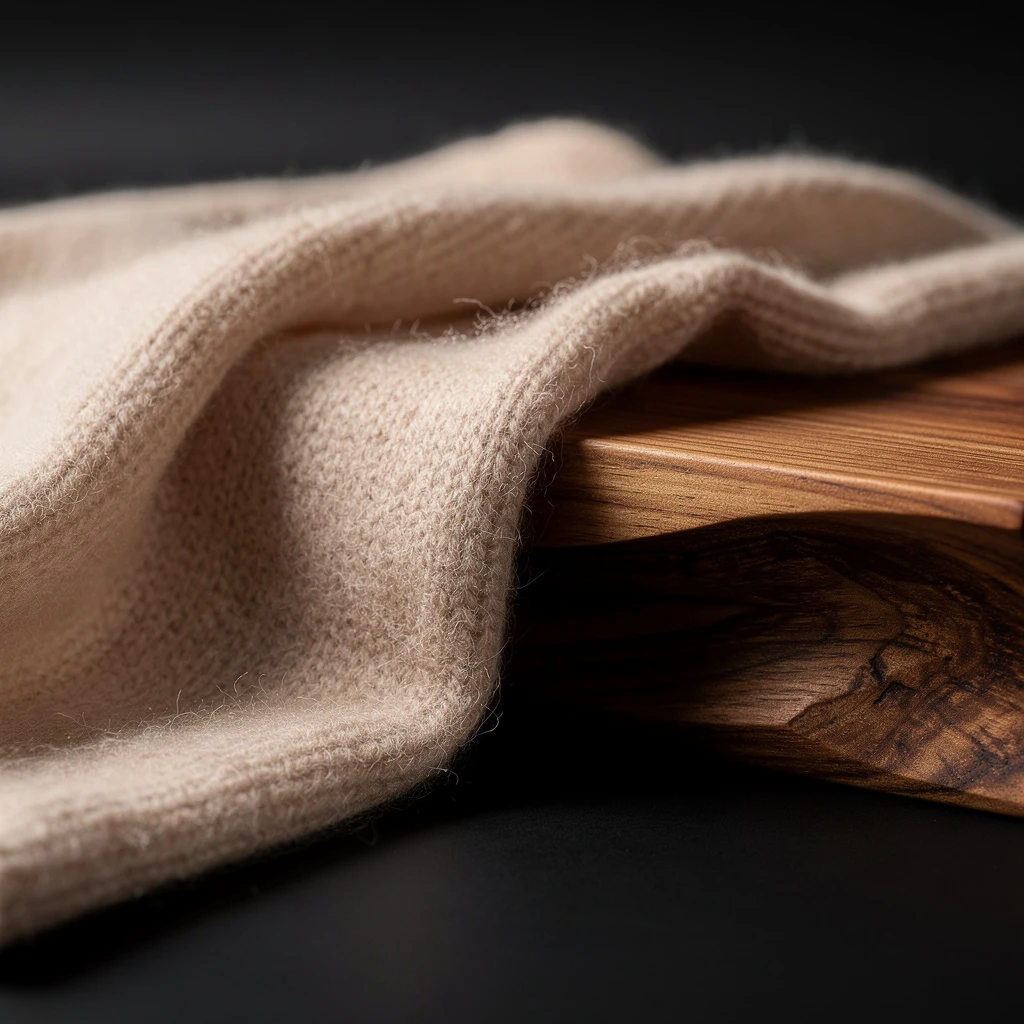
How it smells
A rare botanical musk from tropical hibiscus seeds
Despite its name, ambrette seed comes from a hibiscus plant, not the amber tree.




Origin
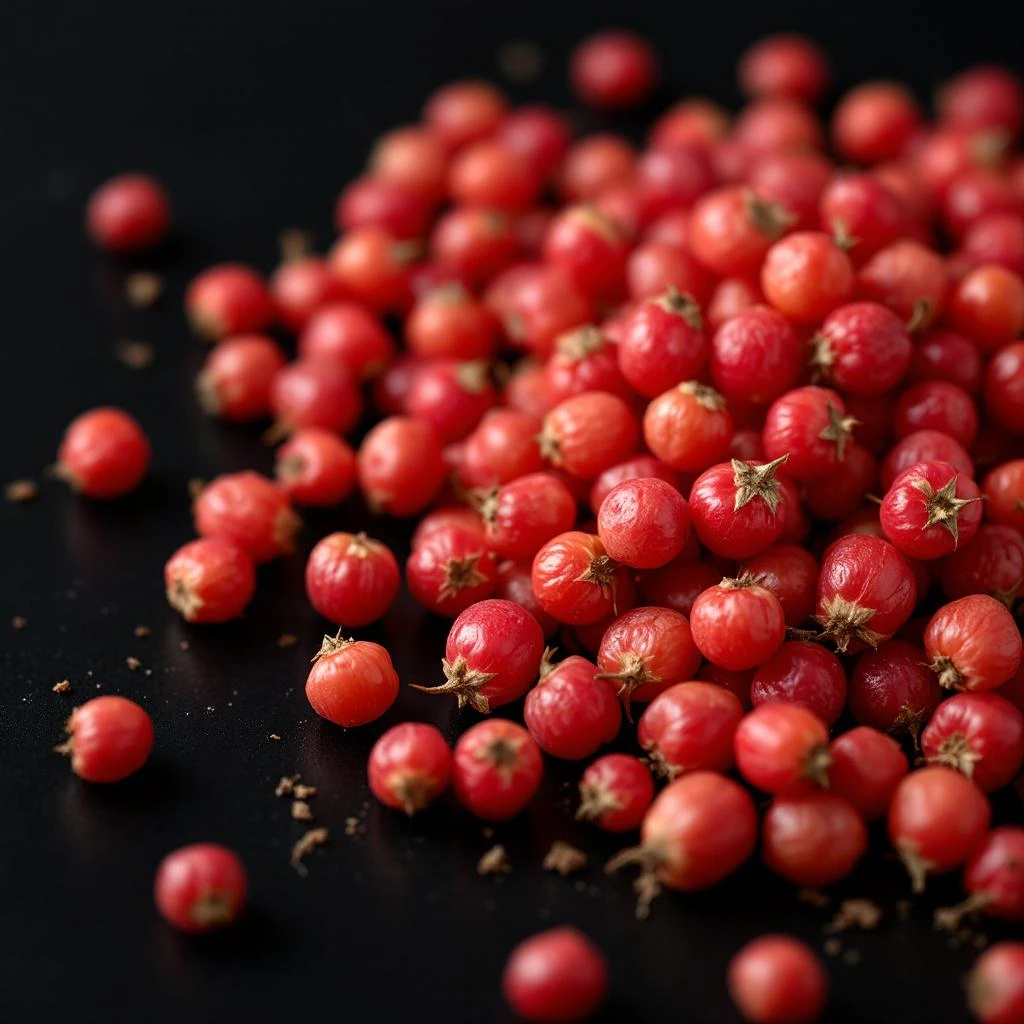
India
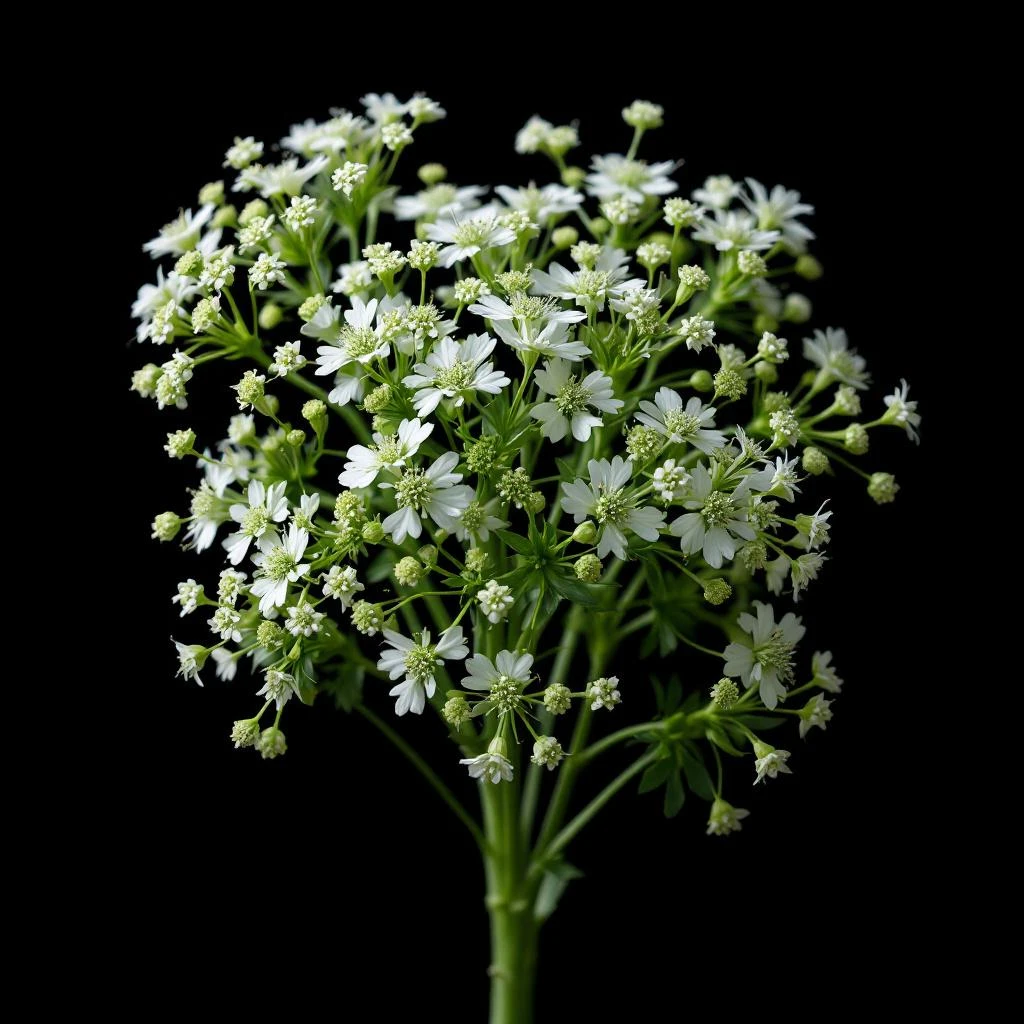
Ambrette seed has deep roots in perfumery history. Indigenous communities in India first discovered the aromatic seeds of Abelmoschus moschatus, using them in cosmetics and spiritual preparations centuries before European contact. By the 1800s, French and Italian perfumers began importing ambrette seed oil, prized for its warm, musky qualities that mirrored animalic notes without ethical compromise.
The ingredient gained particular prominence in 1917 when Francois Coty built his landmark fragrance Chypre around the tension between bergamot, labdanum, and ambrette seed—a bold move that challenged prevailing trends toward single-flower bouquets. Today, ambrette seed remains one of the most respected botanical musks, a link between ancient Indian aromatic traditions and contemporary natural perfumery.
Wears it best
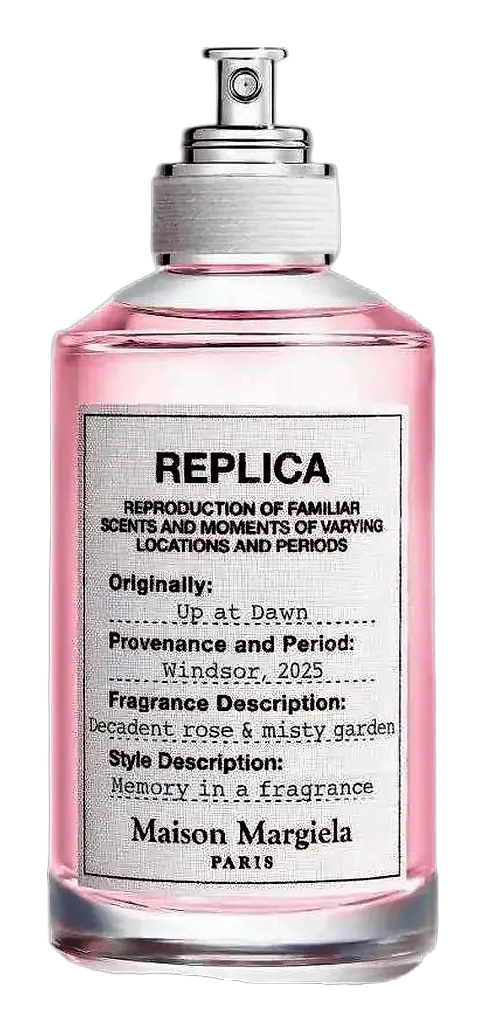
Fragrances featuring Guatemala Ambrette Seed Absolute

Brands
Brands known for Guatemala Ambrette Seed Absolute
Good to know
Questions, answered
The essentials on Guatemala Ambrette Seed Absolute in perfumery: how it smells, where it comes from, and how it behaves on skin.
What does Ambrette Seed Absolute smell like?
BLUF: Warm, powdery, and ambery with a distinctly natural musk character. Supporting fact: The scent profile includes subtle floral and slightly sweet honey-like undertones, offering a softer, more complex alternative to synthetic musks.
Is Ambrette Seed Absolute a natural ingredient?
BLUF: Yes, it is a fully natural material. Supporting fact: Ambrette Seed Absolute derives from Abelmoschus moschatus, a tropical hibiscus species, making it one of the few authentic plant-based musks available to perfumers.
Why is Ambrette Seed Absolute expensive?
BLUF: The production process is labor-intensive with low seed yields. Supporting fact: Seeds must be cultivated in specific tropical or subtropical climates, carefully harvested, dried, and processed through steam distillation followed by solvent extraction—each batch requires substantial raw material for modest output.
How long has ambrette seed been used in perfumery?
BLUF: Recorded use dates back centuries in Indian aromatic traditions. Supporting fact: French and Italian perfumers adopted it in the 1800s, and it featured in Francois Coty's landmark 1917 Chypre fragrance, cementing its status in fine perfumery.
What is the botanical name of the ambrette seed plant?
BLUF: Abelmoschus moschatus, a member of the Malvaceae family. Supporting fact: Despite its common name, the plant is a tropical hibiscus species, sometimes called musk mallow or muskmallow in botanical references.
Which countries produce ambrette seed?
BLUF: India, Indonesia, Ecuador, and Peru are the primary sources. Supporting fact: Global production reaches approximately 60 tons annually, with India remaining the historical center of cultivation due to optimal climate conditions.
What fragrance families use Ambrette Seed Absolute?
BLUF: It serves as a base note in florals, orientals, and chypre compositions. Supporting fact: Ambrette seed pairs well with iris, rose, and sandalwood while functioning as a natural fixative to extend the longevity of lighter top notes.
Why is Guatemala a notable source for ambrette seed?
BLUF: The high-altitude growing conditions produce a more aromatic seed. Supporting fact: Guatemala's highlands create temperature variations that concentrate aromatic compounds in Abelmoschus moschatus seeds, yielding an ambrette absolute with exceptional warmth and complexity.