
The Story
Why it exists.
The beginning
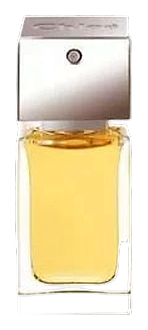
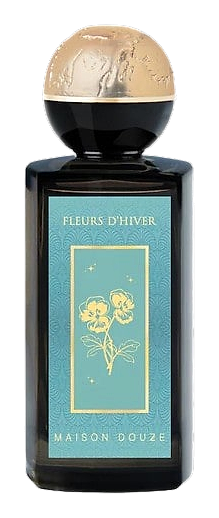
Fleurs d'Hiver, French for winter flowers, translates a specific kind of quiet. The brief garden that survives the cold, the pansies pushing up through frost, the pear that ripens on the branch long after everything else has gone bare. The name conjures petals that endured when they had every reason to fold. There is something hushed and luminous in that image, winter as the season when the few remaining flowers mean more precisely because they remained. Fleurs d'Hiver takes that idea seriously. The composition channels botanical stubbornness, the refusal to disappear, the green insistence of a stem still pushing through frozen soil. Every facet, from the watery snap of pear to the dusty violet whisper of pansy, reinforces the concept of a garden that did not get the memo about the season.
Pansy is the quiet star of this structure, a note with a green, almost chlorophyll-cool facet that sits between vegetable garden and dried petals. The heart takes on a slightly bitter, slightly watery edge that prevents the rose from going sentimental, pulling the composition toward something more herbaceous and alive than a typical floral. The pear on top acts as counterweight: cool, watery, vaguely honeyed, like biting into fruit left on a windowsill, a bright opening that quickly yields to the greener heart beneath.
The evolution
The opening belongs almost entirely to pear. It's not loud, more like the ghost of fruit, slightly chilled, with a green stem quality underneath that suggests orchard rather than kitchen. As that top note recedes, the pansy arrives, and this is where the fragrance reveals what it actually wanted to be. The heart reads cool and powdery, like dried petals pressed between pages, with rose threading through but never dominating. The pansy contributes a faintly grassy, almost watery bitterness that keeps the whole thing from tipping into sweetness, lending the composition a vegetal intelligence that lifts it above simple florality. As the hours pass, the vanilla settles in. Not the warm, edible kind, not the custardy sweetness of a gourmand.
Cultural impact
Fleurs d'Hiver makes a quiet but specific kind of sense within the broader landscape of intimate, skin-close perfumery. The powdery, restrained quality places it in conversation with compositions that favor subtlety over statement, the kind of fragrances that reward proximity rather than projection. Wearers tend to describe it as a scent for people who already know what they like and have stopped performing for the room, a piece that values precision over spectacle.