The Story
Why it exists.
The beginning
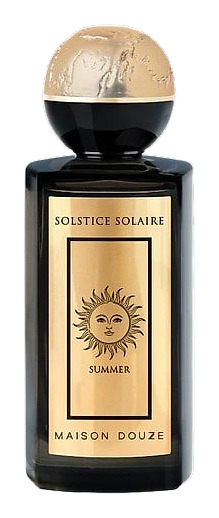
Maison Douze builds its vocabulary around celestial bodies and seasonal turning points. The Solstice collection, Solstice Solaire alongside its darker counterpart, translates the moment days reach their apex into scent. Solstice Solaire, launched in 2025, captures the paradox of that astronomical peak: the longest day, but also the one after which everything begins to shorten. The house named it for the sun itself, the sol in solstice, the light that the rest of the zodiac orbits around. Where other fragrances in the collection map seasonal shifts, this one names the source of all light, the star around which the entire astrological wheel turns. The tropical inspiration came from a specific longing: a Parisian reference to sunnier places, island memories preserved in scent rather than photograph.
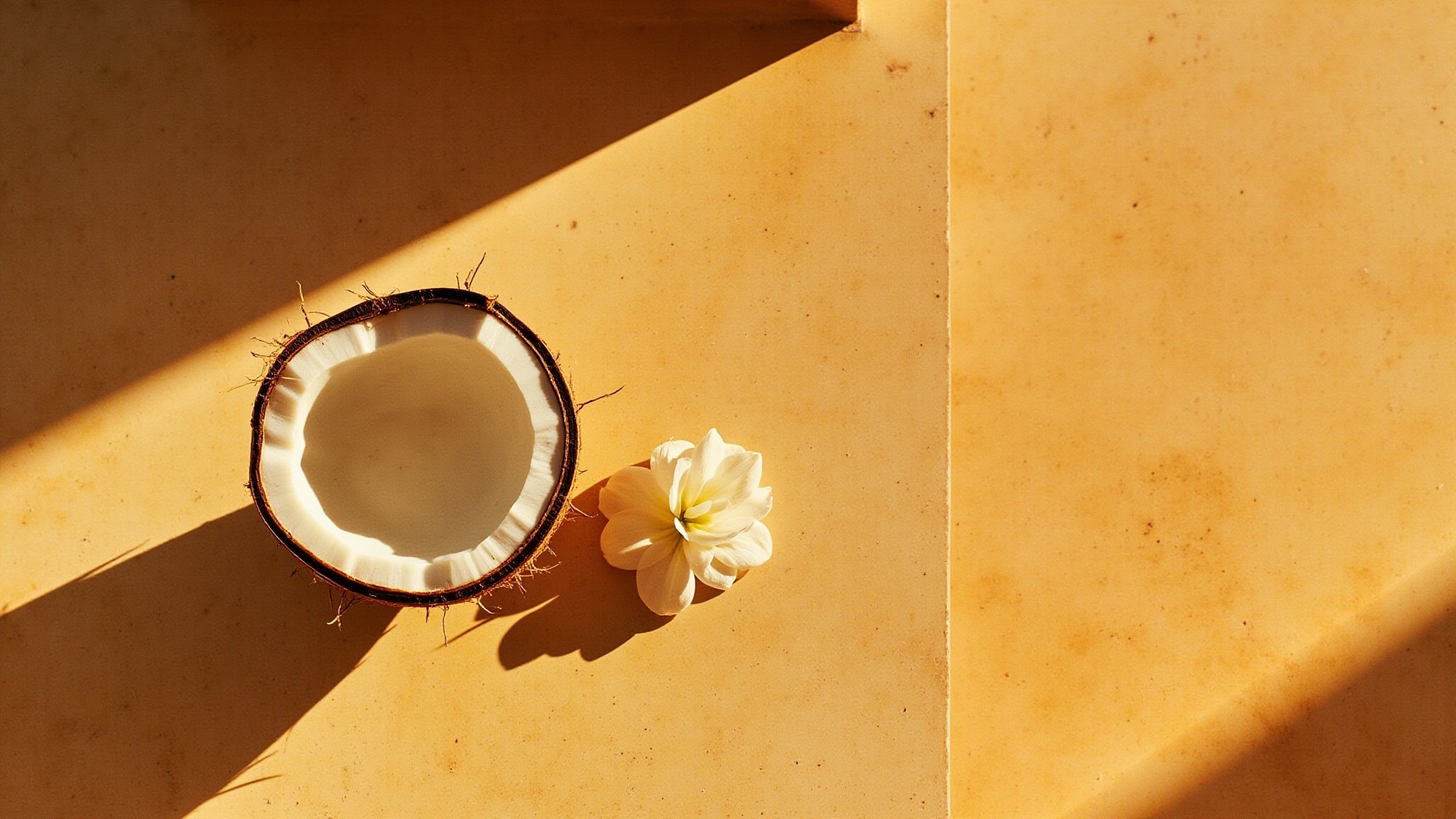
What makes Solstice Solaire structurally interesting is how it handles tropical excess through Parisian restraint, or tries to. The heart is all tropical flower shop: tuberose blooming in humid air, ylang-ylang going slightly overripe in the heat. These are not shy materials. They announce themselves, they fill space, they demand attention. The house's minimalist framing keeps the bottle clean, the name spare, the whole presentation cool and controlled. But the juice inside has other ideas. The coconut note is the compositional anchor. Not the fresh green coconut of Thai cuisine, but the creamy, almost condensed sweetness of coconut oil in a beach product.
The evolution
The first thirty minutes announce themselves without apology. Passion fruit cuts bright and tart against coconut cream, sweetness that doesn't apologize for being sweet. There's an almost synthetic edge to the opening that some people read as beach product nostalgia, others read as too much. Both readings are correct. It does smell like something you could buy at an airport. Then the florals arrive. Tuberose takes its time but arrives with presence, not the cool white floral of a garden at dawn but the warm, slightly cloying version that blooms in the heat of the afternoon. Ylang-ylang pushes it further into tropical territory, into something that smells like sunscreen mixed with flowers mixed with skin. The coconut doesn't disappear. It deepens, becomes cream rather than oil. The base is where patchouli earns its place. Not the sharp, medicinal patchouli of the 1960s but the sweet, earthy version that reads almost chocolatey. It grounds the tropical excess, pulls it back from the edge.
Cultural impact
Fragrances built around tropical materials have existed for decades, but the specific combination of coconut with passion fruit occupies a distinct niche in contemporary perfumery. These notes carry strong cultural associations with leisure, escapism, and the sensory shorthand of summer. Solstice Solaire enters this space with an unapologetic stance, refusing subtlety in favor of intensity. The fragrance has cultivated a passionate following among enthusiasts who appreciate its bold character and tropical warmth. Its composition reflects a broader trend in niche perfumery toward materials that evoke specific sensory memories rather than abstract elegance.