Pansy
A rare and delicate floral note prized for its sweet, slightly green garden character. Pansy adds understated freshness to luxury fragrances when used—its scarcity makes it a mark of craftsmanship.
Character
How it smells
Fresh garden elegance, rarely found
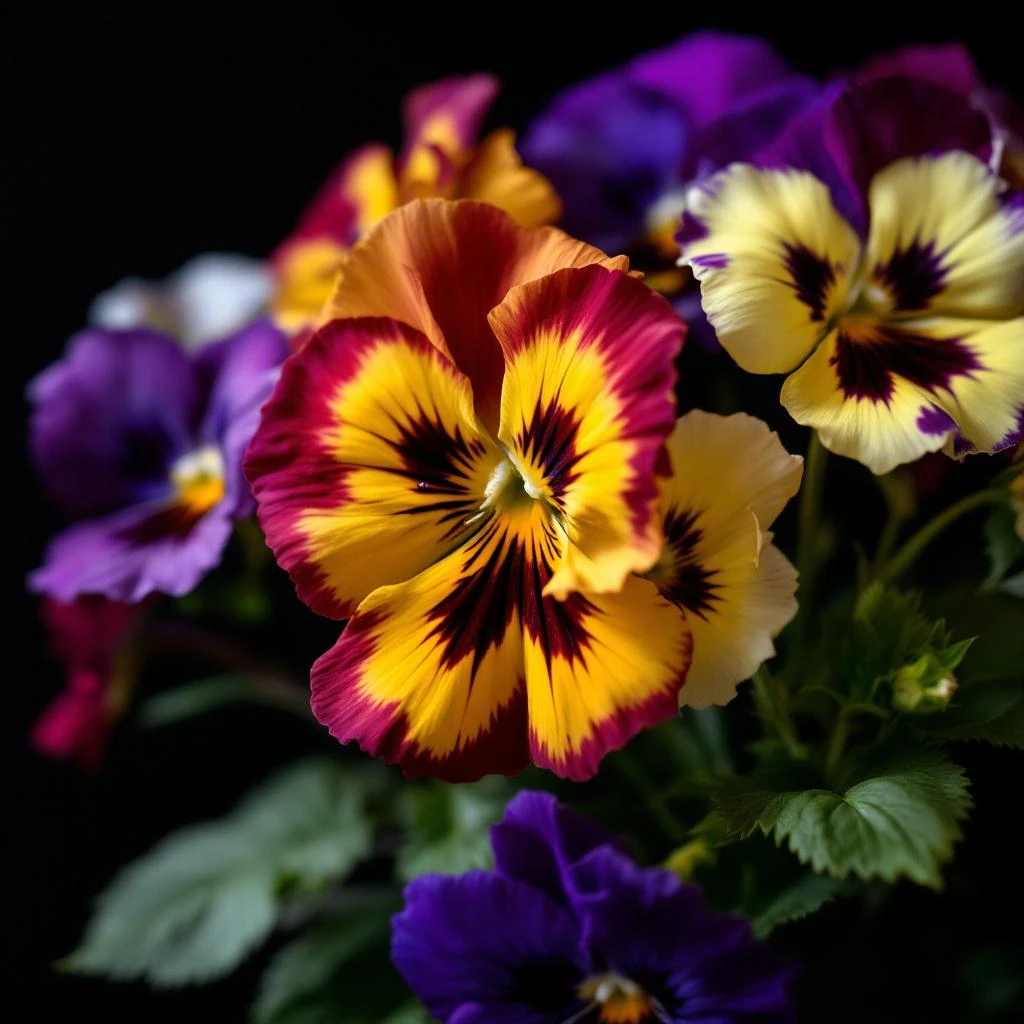
Shakespeare referenced the pansy in Hamlet for its thought-like shape. Victorian lovers sent secret messages using different colored pansies as a coded floral language.








Origin
France
The pansy we recognize today descends from Viola tricolor, a wild European flower that Greek physicians documented for respiratory and skin treatments. French flower farmers began selectively breeding pansies in the early 1800s, creating the large-flowered garden pansies popular in Grasse, the French perfumery capital. The flower's name itself carries history: 'pansy' derives from the French 'pensee' meaning thought, inspired by the flower's petal arrangement resembling a thoughtful face.
In Victorian flower symbolism, pansies represented romantic thinking and remembrance. Shakespeare reinforced this connection in Hamlet, where Ophelia distributes pansies. Candied pansy petals appeared in aristocratic desserts, and herbalists brewed the flowers for teas.
Modern perfumery rarely uses natural pansy due to prohibitive cost and low yield, reserving it for artisanal and luxury creations where its subtle, fresh character adds quiet distinction.
Wears it best
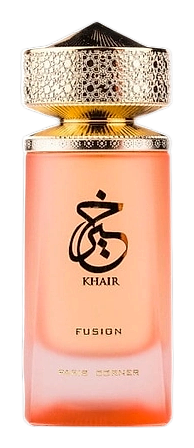
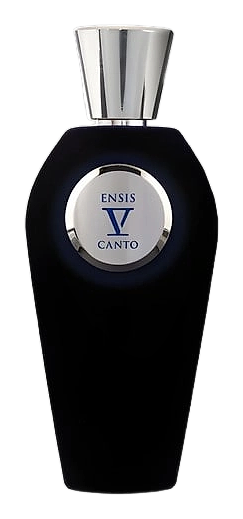
Fragrances featuring Pansy
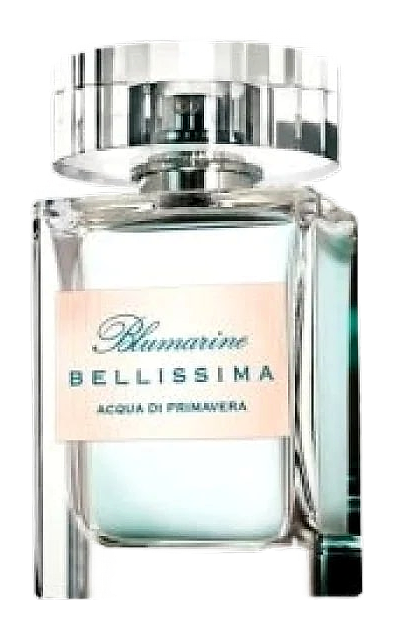
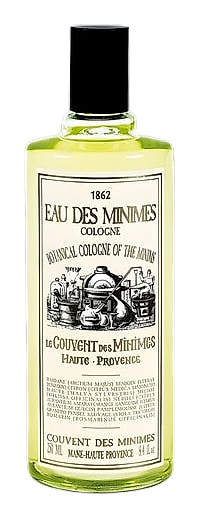
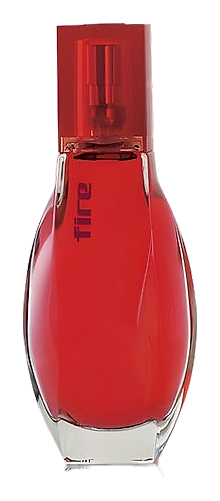
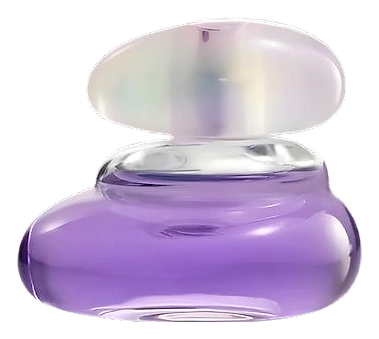
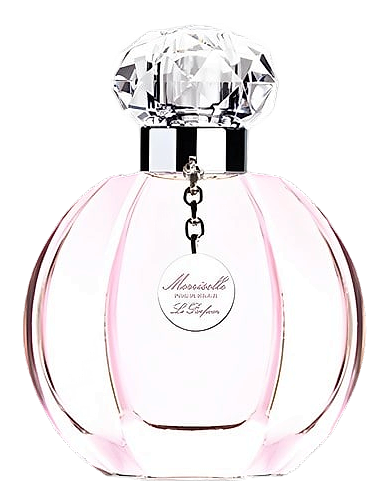

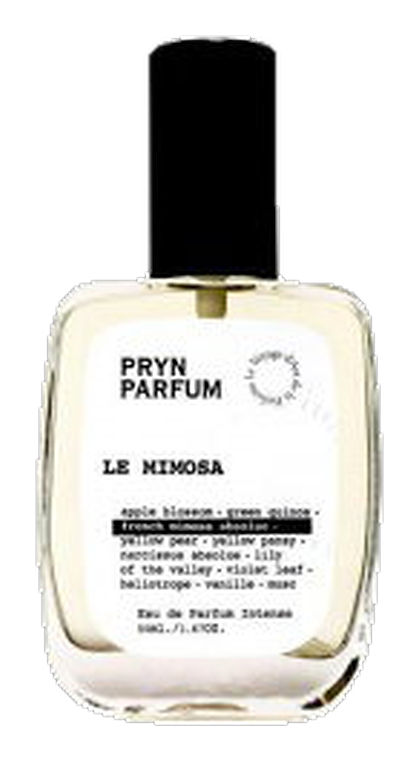
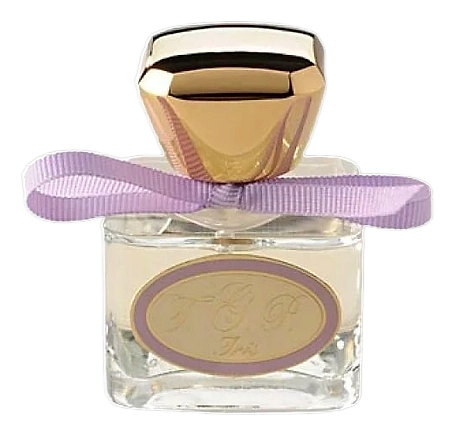
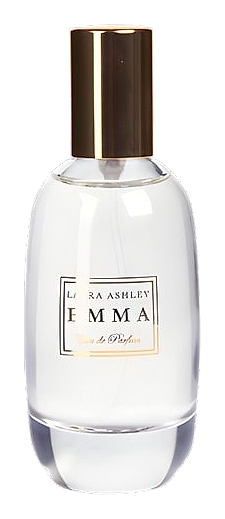
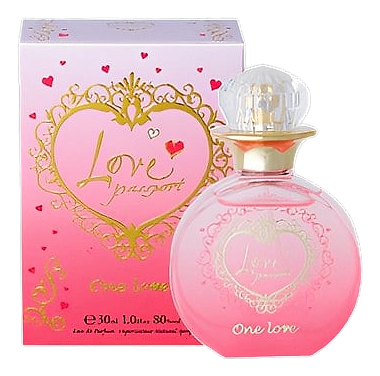
Brands
Brands known for Pansy
Good to know
Questions, answered
The essentials on Pansy in perfumery: how it smells, where it comes from, and how it behaves on skin.
Is natural pansy used in most perfumes?
No. Natural pansy absolute is exceptionally rare due to extremely low yields—thousands of flowers yield just grams of absolute. Most modern fragrances use synthetic violet compounds or isolated aroma chemicals to recreate the fresh, green-floral character.
What does pansy smell like in fragrance?
Pansy registers as a soft, fresh, slightly green floral with subtle sweetness. It lacks the indolic depth of some florals and instead contributes garden-fresh clarity that blends easily with other notes.
Why is pansy so expensive in perfumery?
The solvent extraction process requires enormous quantities of fresh flowers for minimal yield, similar to jasmine or rose. This makes natural pansy one of the costlier botanical ingredients in perfumery.
Can pansy be synthetically recreated?
Yes. Synthetic chemistry produces various violet and pansy-like aroma molecules, including ionones, which capture the characteristic fresh, woody-floral character at a fraction of natural material cost.
What part of the pansy plant is used?
Perfumers use the entire fresh bloom—the petals and flower tissue contain the aromatic compounds. Leaves and stems yield different, greener aromatics and are not used for perfumery.
Does pansy appear in traditional perfumery?
Classic perfumery rarely featured pansy because extraction technology for delicate flowers developed later. Modern fine fragrances from the 1980s onward more commonly incorporate pansy as perfumers explored softer, fresher floral directions.
Are there different pansy varieties for perfumery?
Grasse-bred cultivars with high aromatic content and strong coloration are preferred. Wild Viola tricolor also contributes but yields less. Most commercial pansy materials come from French, Italian, and British cultivated sources.
How does pansy differ from other violet notes?
Pansy carries a greener, more garden-fresh quality than sweet violet (Viola odorata). It lacks the deep, slightly woody base of Parma violet and instead contributes crisp, almost dewy freshness typical of spring garden blooms.


