The Story
Why it exists.
The beginning
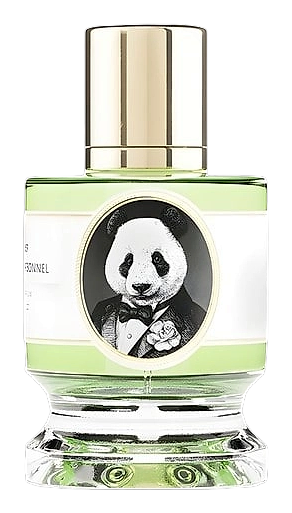
Mystique arrived in 2017 as part of the growing Maison de Parfum Berry catalog. The house had spent its early years establishing a visual and conceptual language, and Mystique fits within that framework as a study in atmosphere rather than place. Perfumer Thierry Blondeau composed the fragrance with a narrow, almost ascetic note list. Four materials open: hyacinth, aldehydes, iris, and wisteria. One sits at the center: incense. One anchors the base: myrrh. No filler, no excess. The architecture reads as spare and resonant, where a single column of smoke carries more meaning than ornament. What strikes you first is how little the formula gives away. The opening is cold, almost metallic, with aldehydes sharpening the hyacinth until it feels less like a flower and more like a green wire.
What makes Mystique structurally interesting is its restraint. The composition works with cold, watery florals and lets aldehydes do the brightening on their own, without citrus or green accents to lift the synthetic edge. The incense-at-heart placement is equally deliberate. It's the door between the green, almost metallic opening and the resinous close. The myrrh below extends that incense's reach without adding sweetness, keeping the drydown meditative. There's a clarity to how the notes relate.
The evolution
The opening is all lift. Aldehydes give that frozen, metallic edge, the smell of cold air hitting a warm stone wall. Hyacinth runs sharp and green, almost like snapping a stem. Iris powder floats underneath, soft but distant. Wisteria adds a faint grape-skin sweetness, barely there, more suggestion than statement. As the fragrance wears, the incense begins to surface. It doesn't arrive gently. It displaces the florals, pushes them sideways, fills the space with something dry and vertical. The aldehydes recede but don't vanish. They stay in the background, lending the incense a stony quality, like walking into a cold chapel. The iris and wisteria thin out, become traces rather than presences. In the later stages, myrrh takes over the conversation. It's warm but not sweet, slightly bitter, with a medicinal edge that reads as ancient rather than austere. The incense continues to burn low.
Cultural impact
Mystique sits at a crossroads of olfactory traditions. It's floral enough to read as part of the aldehydic lineage, yet its incense heart and myrrh base pull it toward territory more often associated with liturgical or contemplative fragrance. That crossover gives it a specific gravity. The composition doesn't borrow from any single tradition wholesale. It takes the cold, metallic lift of classic aldehydic florals and runs them through a resinous filter, producing something neither purely green nor purely smoky. The result reads as devotional without being overtly religious, atmospheric without being abstract.