
The Story
Why it exists.
The beginning
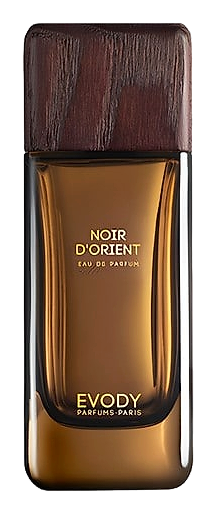
The name says it all. Noir d'Orient, dark, eastward, towards the lands where fragrance is currency and incense rises in temples at dawn. Evody's founders turned to India for inspiration, building this 2014 release around the idea of aromatic richness. The brief was India. Warmth and shadow were the result. It fits squarely into the Collection d'Ailleurs, Evody's line of scents that capture distant places, each one a dispatch from somewhere specific and evocative. The fragrance moves through layers of resinous depth, smoke, and warm spice, inviting the wearer into an atmosphere that feels both ancient and immediate.
What makes Noir d'Orient work is the structural choice to let cinnamon and incense share the opening rather than compete. Cinnamon is aggressive, even acrid on first spray, the kind of note that can read medicinal before it reads beautiful. Incense tempers that sharpness, adding smoke and a meditative quality that redirects the spice toward something ritualistic rather than sharp. The rum in the heart amplifies sweetness without introducing fruit or florals, keeping the Oriental register intact. Cloves are the connective tissue, present enough to add density but not so heavy that they dominate. It's a composition that understands restraint, and then commits fully when it matters.
The evolution
The opening arrives fast and intense. Incense smoke and a form of cinnamon hit the skin almost simultaneously, creating a medicinal spark that some wearers describe as an acquired taste in the first thirty minutes. The spiciness doesn't soften, it deepens as the composition develops. A sweet, boozy rum note arrives to round the edges while the heat intensifies. As the top notes recede, the base begins to reveal itself. Driftwood takes over, mineral and slightly saline, keeping the Oriental warmth from becoming too sweet. Patchouli lingers longest, earthy and dark, with tonka bean adding a dry, powdery sweetness to the final act. On fabric, expect a faint smoky trace the next morning.
Cultural impact
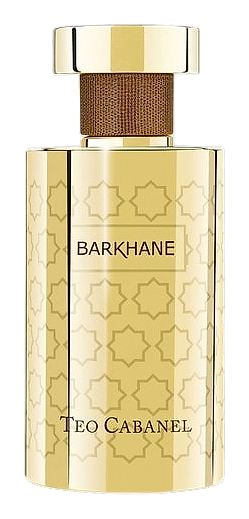
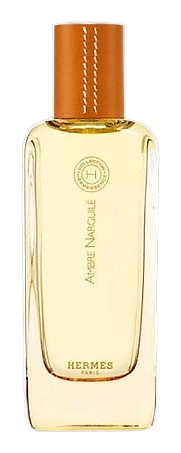
Noir d'Orient has become a quiet staple among those who appreciate warm, smoky Orientals without the predictability of mainstream niche. The community describes it as the kind of fragrance that draws questions rather than rooms, moderate sillage, but lasting presence. Particularly favored in fall and winter, it occupies a space between the spice-market complexity of Ambre Narguilé by Hermès and the smoky intimacy of Barkhane by Téo Cabanel. Released in 2014, it offers a composition that rewards patience over immediate gratification, drawing the wearer into its layered warmth with quiet insistence.