The Story
Why it exists.
The beginning
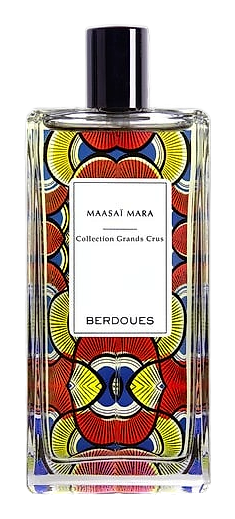
The name points due east from Paris, toward the savanna grasslands where the Maasai Mara earned its reputation as one of the last places on earth where the land still runs wild. Philippe Romano designed Maasaï Mara in 2017 as an olfactory translation of that geography: the golden color of dry grass under a wide sky, the weight of fruit left to dry in the heat, the moment before the temperature drops and the evening takes over. Not a literal landscape fragrance. More like a memory of warmth, composed in a Paris atelier.
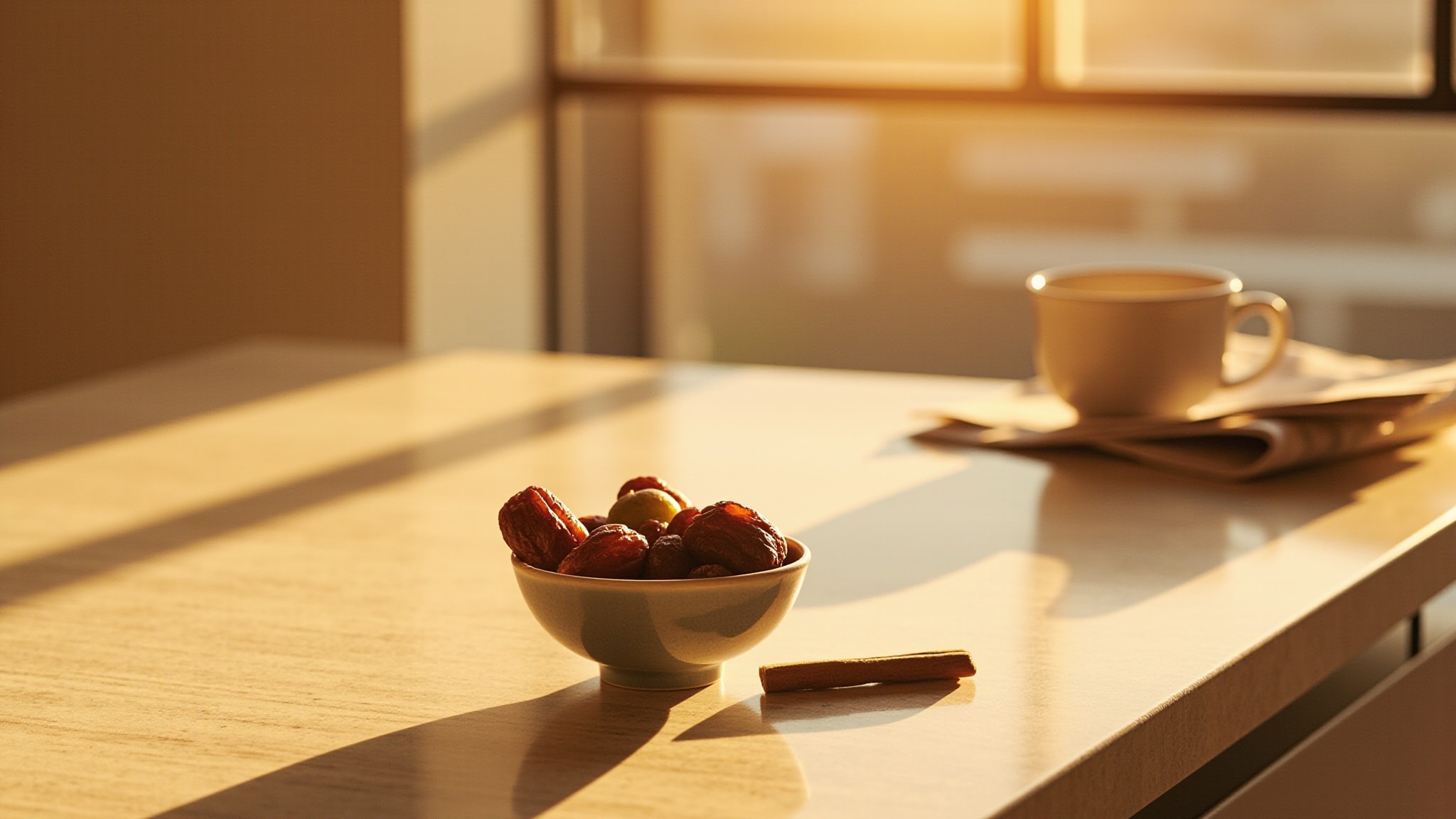
What sets this pyramid apart is the dried fruits at the heart. Plum and preserved fruit notes sit unusually close to artemisia and rose, a combination that reads herbal and slightly medicinal without ever tipping into sharpness. The Egyptian chamomile in the top does the same work: cool, bitter, grounding a composition that could otherwise lean entirely into sweetness. It's this counterbalance that makes Maasaï Mara more interesting than a straightforward amber-gourmand. The buchu or agathosma in the base is a quieter note, a South African botanical with a minty, slightly citrusy character that stops the vanilla-cinnamon base from becoming too heavy.
The evolution
The opening hits fast. Bitter orange arrives bright and citrusy, but within minutes the chamomile's herbal coolness softens the citrus and the dried fruits start to emerge, plum, then the darker sweetness of preserved fruit. The rose is subtle, more implied than announced. By the time the base settles in, you're in a different register entirely: cinnamon's warmth, benzoin's honeyed resin, the creaminess of vanilla. Labdanum adds a touch of the animalic without ever going dirty. Patchouli keeps everything rooted. Eight to ten hours on skin, sometimes longer on fabric. The next morning: vanilla, faint and warm, like the memory of a room someone just left.
Cultural impact
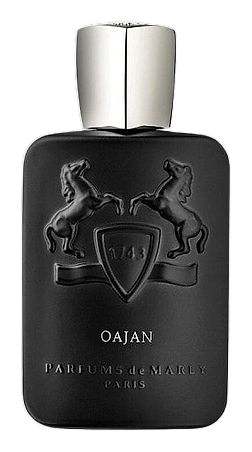
Part of the Collection Grands Crus, Maasaï Mara sits in a lineage of fragrances that treat geography and memory as creative material. The warm-spicy, fruity-amber quadrant it occupies has proven durable, think Oajan or Ambre Narguilé in comparable territory. What distinguishes this one is the chamomile and artemisia keeping the sweetness honest rather than theatrical.