The Story
Why it exists.
The beginning
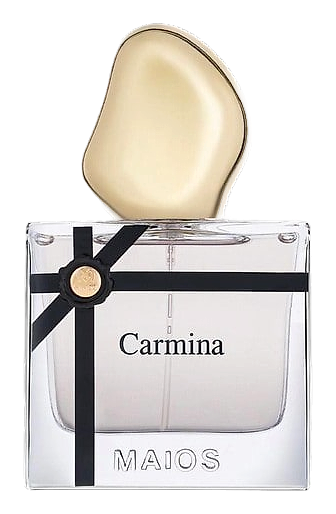
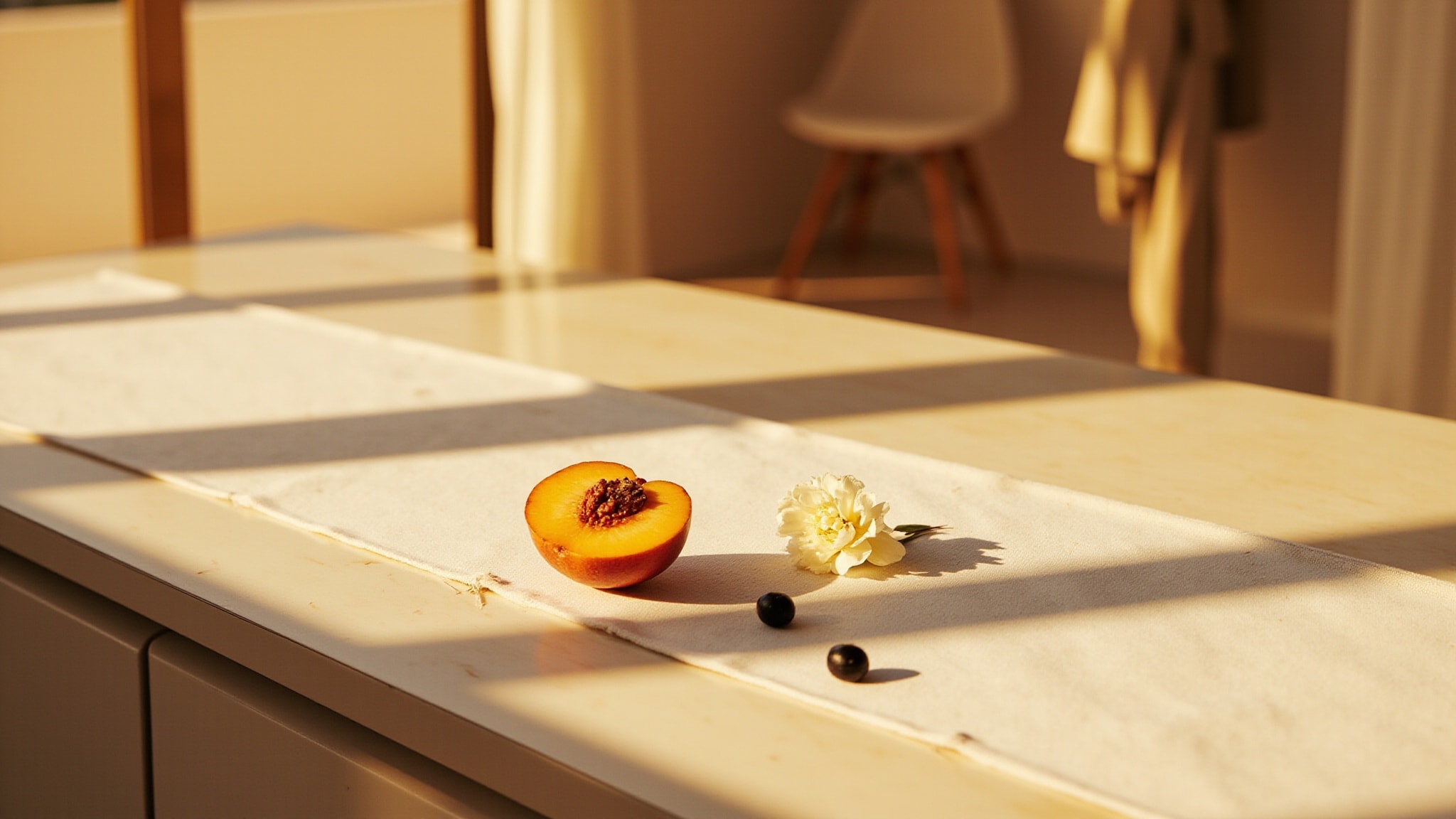
Carmina arrived in 2025 from MAIOS, a niche fragrance label. Its listed composition opens with Ambrette Seed, Mandarin Orange, Peach, and Tuberose, combining a seed note, citrus, fruit, and floral materials before moving into White Flowers, Vanilla, and Wild Berries. Musk, Orange Blossom, and Sandalwood complete the composition. Together, these notes form a layered floral-fruity fragrance with citrus, vanilla, musk, woody, powdery, and floral facets, offering a clear point of entry while leaving the accord list to establish its broader character.
What makes Carmina interesting is the range of materials held within its listed composition. Ambrette Seed and Mandarin Orange establish the opening alongside Peach and Tuberose. White Flowers and Vanilla form the central floral and sweet elements, while Wild Berries adds another fruit dimension. Musk, Orange Blossom, and Sandalwood complete the structure with familiar base-note categories. Read through its note list, Carmina combines floral, fruity, citrus, sweet, musky, powdery, and woody elements in a composition designed around variety and contrast.
The evolution
Carmina is built around a broad arrangement of listed notes rather than a single defining material. Ambrette Seed, Mandarin Orange, Peach, and Tuberose form the opening group, combining seed, citrus, fruit, and floral notes. White Flowers, Vanilla, and Wild Berries introduce floral, sweet, and fruit facets through the middle of the composition. Musk, Orange Blossom, and Sandalwood anchor the listed structure with musky, floral, and woody materials. Fragrantica's accord list also identifies Floral, Fruity, and Powdery as central impressions. By the end of the note listing, Carmina presents itself as a varied fragrance composition shaped by both individual materials and broader aromatic families, with its character emerging from the relationships among citrus, fruit, florals, sweetness, musk, and woods.
Cultural impact
Carmina can be understood through its listed composition and the broader fragrance families it represents. Floral materials include Tuberose, White Flowers, and Orange Blossom, while fruit notes include Mandarin Orange, Peach, and Wild Berries. Vanilla and Musk contribute sweet and musky dimensions, and Sandalwood adds a woody element. The accord list also identifies Floral, Fruity, and Powdery as important impressions, giving the fragrance a varied profile without assigning it to a specific market position.