The Story
Why it exists.
The beginning
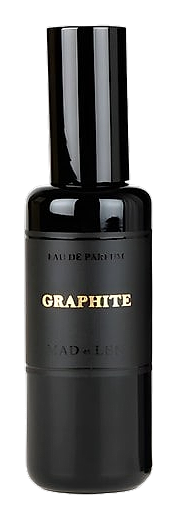
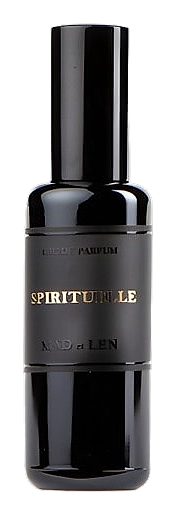
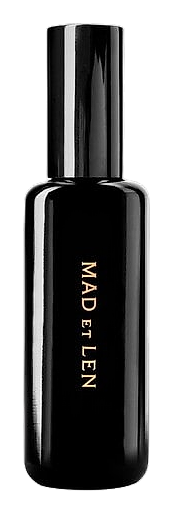
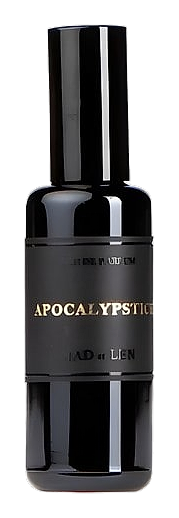
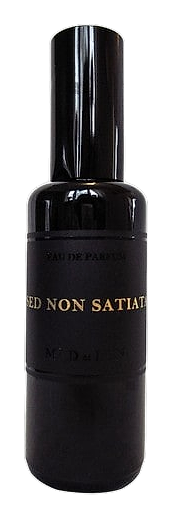
Sed Non Satiata comes from a French workshop operating against the grain of urban perfumery. The brand behind it, Mad et Len, built its identity around a slower process, rejecting the synthetic gloss and rushed production cycles that define much of the contemporary market. Sed Non Satiata, Latin for "I am not satiated," reads as a title that refuses to settle. A floral that won't behave. A sweetness that turns. The name alone tells you what kind of fragrance you're about to meet, one that doesn't resolve into comfort, that holds something back even as it opens. There's an insistence baked into the Latin phrasing, a hunger that the composition seems designed to honor rather than answer.
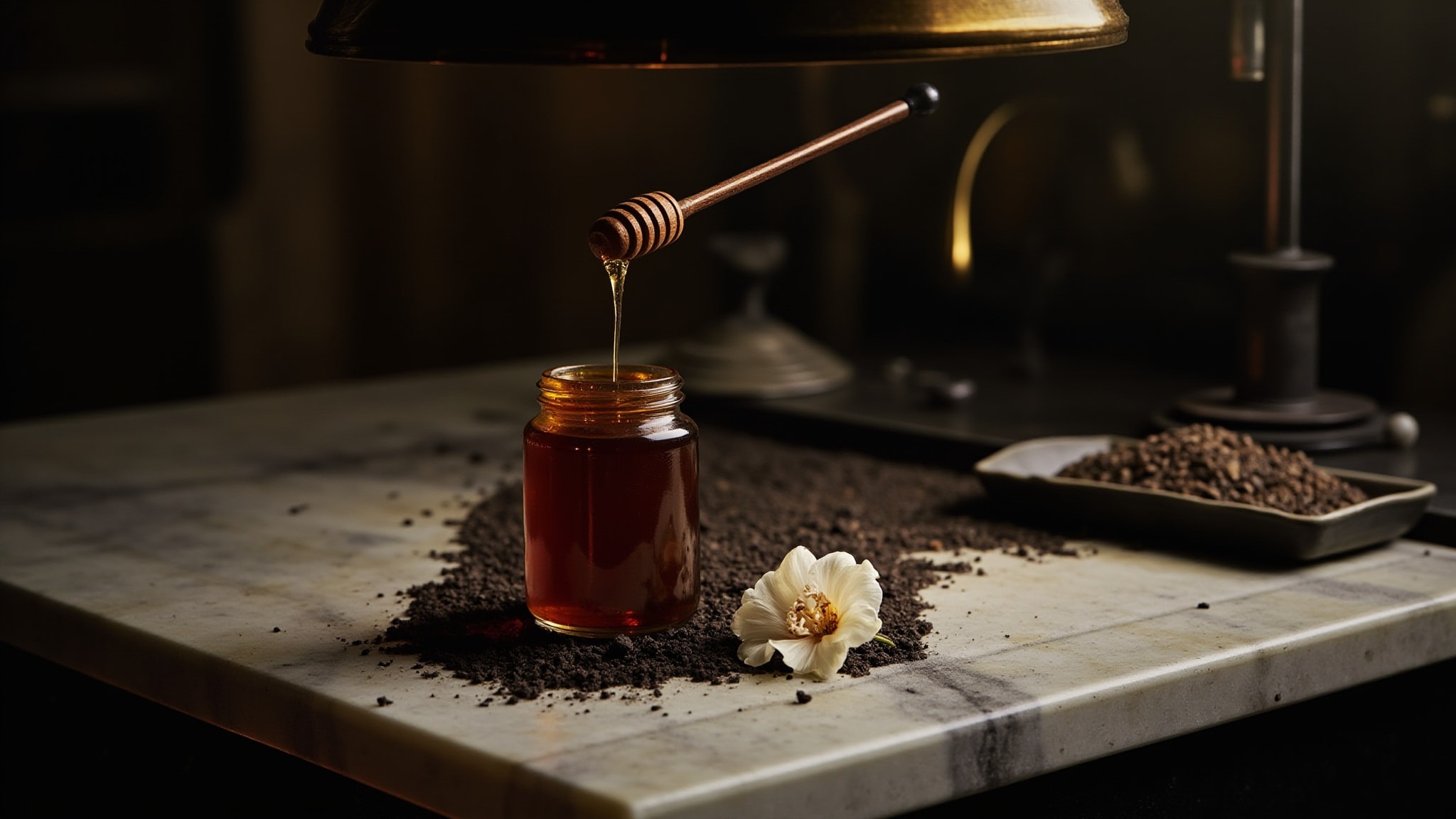
What makes the composition unusual is its restraint disguised as excess. Tuberose, the heaviest white floral in the perfumer's kit, anchors the entire structure. It carries the weight, the texture, the slow build, everything that lighter florals would pass off to supporting notes. Patchouli grounds it in something earthy and unsweetened, pulling the bloom downward into soil and shadow. Honey drips in early to give the flower a waxy, almost liturgical coating, the kind of sweetness that feels deliberate rather than decorative.
The evolution
The opening is honey-dipped tuberose, almost edible, the sweetness warm and slow rather than sharp. As the hours pass, the indolic edge of the flower pushes forward, that fleshy, slightly bruised quality that separates real tuberose from its synthetic imitations. Patchouli has been threading through the whole time, but it asserts itself more firmly as time goes on, dragging the composition toward earth and shadow. Eventually, the myrrh surfaces, cool and resinous, and the honey thins into something drier, more mineral. The tuberose softens but doesn't vanish. It retreats into the background, but the warmth it leaves behind continues to radiate. What stays on clothes the next morning is a warm, slightly sweet shadow. Quiet, but unmistakably floral, and still unmistakably present. The fragrance doesn't decay so much as it quiets, trading volume for closeness, projection for intimacy.
Cultural impact
Sed Non Satiata sits within a small tradition of fragrances that treat tuberose as a serious material rather than a pretty one. The composition leans into the flower's heavier, almost carnal side and pairs it with patchouli and honey, refusing the easy prettiness that white florals usually offer. The result appeals to wearers who want a floral with backbone, the kind of scent that reads less as decoration and more as presence. It treats sweetness as something to wrestle with rather than something to display, and the wearer becomes a participant in that negotiation.