
The Story
Why it exists.
The beginning
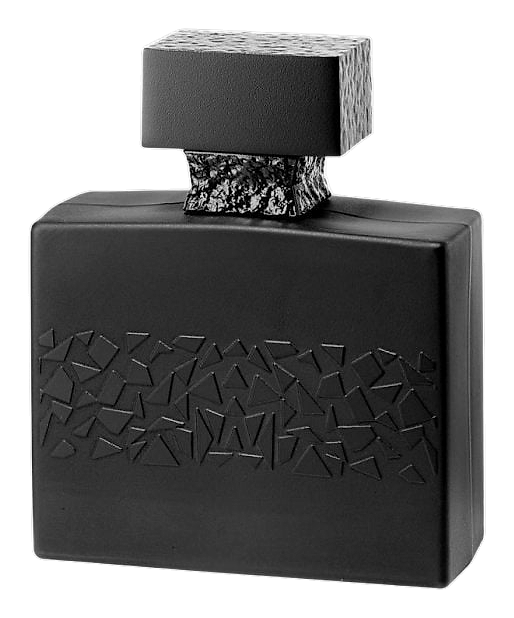
Akowa arrived in 2015, signed by perfumers Geoffrey Nejman and Jean-Claude Astier. The composition treats cocoa as a primary structural element, built around the dry, almost vegetal character of the bean rather than leaning on its sweeter associations. What comes through in the opening is a brightness that the cocoa absorbs and redirects: the top notes lift before the heavier materials settle in, creating a contrast between something airy and something rooted, between citrus-floral lift and the serious warmth underneath. The bean itself reads earthy and unsweetened, pulling the composition toward savory rather than confectionery territory, and the drydown holds onto that tension without ever fully resolving it.
The cocoa connects the floral-citrus opening to the earthy base, and the fig leaf works alongside it, pulling both materials toward their greener, more bitter edges. There's no gourmand softness in the construction. The cocoa stays closer to raw than roasted, which gives Akowa its savory backbone and keeps the vanilla in the base from tipping the whole thing into dessert territory. That bitter-green restraint is what holds the composition together through every stage of the wear, stopping the sweetness from ever fully arriving.
The evolution
The first thirty minutes are almost disorienting in their clarity: orange blossom and bergamot, sharp and clean, doing their familiar work. Then the cocoa arrives, and the whole shape of the fragrance tilts. It doesn't go sweet. It goes vegetal, earthy, the fig leaf lending a green sizzle that makes the cocoa feel like bark rather than bar. Two hours in, the patchouli and vetiver take over, dry and grounded, with an almost dusty mineral quality. The amber and vanilla arrive last, and they don't decorate so much as settle everything into place, a low warm hum that keeps threading through the drydown. The cocoa and amber stay paired even in the late stages, the cocoa shadow lingering against the amber warmth, and the patchouli-vetiver base never fully disappears, just recedes into something quieter and more mineral.
Cultural impact
Akowa draws comparisons to compositions like Intoxicated by Kilian and Timbuktu by L'Artisan Parfumeur, both of which share its spicy-woody gravity and its refusal to lean fully sweet. The cocoa-fig pairing sets it apart from those reference points, giving it a distinct profile within that orbit. Production was apparently discontinued, which has made it harder to find on the secondary market. For collectors tracking the M. Micallef catalog, the discontinuation adds weight to an already unusual composition, one that treats cocoa with a seriousness most houses reserve for woods or resins.