
The Story
Why it exists.
The beginning
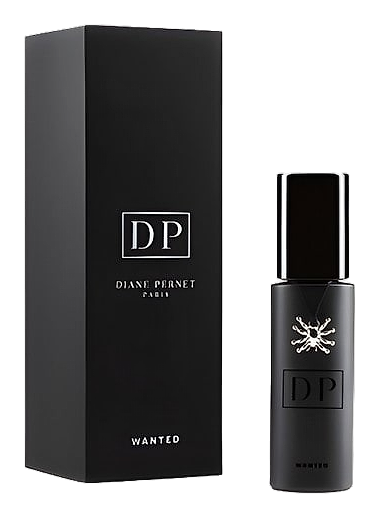
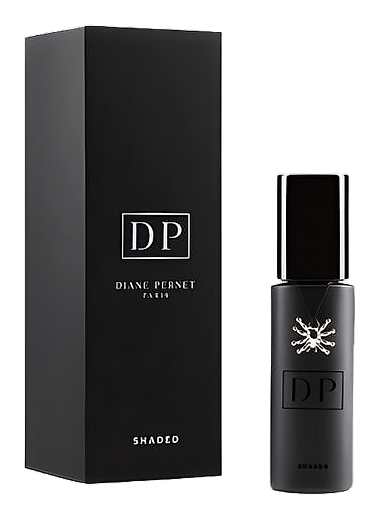
Every Diane Pernet fragrance carries a point of view first and a smell second. Shaded is no exception. It takes its name from the tension between what's shown and what's held back, a word that captures both concealment and the edge of something revealed. Where most perfumers begin with ingredients, Shaded began with a different approach: the interplay between visibility and restraint. The fragrance translates that tension into smell, pairing marine atmosphere with woody warmth in a composition that refuses to resolve cleanly into one register or the other. It joined a collection known for its distinctive perspective on what fragrance can express, positioning scent as more than a simple addition to one's presence.
The structure is unusual: marine notes and smoky guaiac wood occupy adjacent space rather than competing. Salt carries a subtle mineral edge through the composition. Vetiver anchors the composition with its rooty, slightly medicinal earthiness, a counterweight to the cool oceanic opening and the warm, particulate smoke of the wood. Musk doesn't amplify; it settles, keeping everything close and intimate rather than projecting outward.
The evolution
The opening arrives quickly: marine accord, cold and mineral, the smell of air moving over water rather than water itself. It doesn't splash or dominate, it breathes. Within minutes, the vetiver arrives underneath, earthy and grounded, preventing the marine quality from reading as aquatic-fresh. Then guaiac wood arrives, late and smoky, warm in a way that shifts the temperature of the entire composition. The hand-off from marine to smoky happens without fanfare, you're simply no longer smelling the ocean. What remains is a warm, woody, slightly resinous heart that holds for hours. The drydown is the quietest phase: vetiver and musk, close to skin, with a mineral-salty undertone that lingers well past when you think the fragrance has faded. The sillage remains restrained throughout, enveloping the wearer in its quiet, atmospheric presence rather than announcing itself to a room.
Cultural impact
Shaded arrived as niche perfumery was developing as an alternative to mainstream designer fragrances. It appeals to those who seek something that asks something of its wearer, a fragrance that rewards attention rather than demanding it. The scent presents itself as a quiet counterpoint to a market often saturated with more assertive options. Rather than announcing itself, it exists in the space between visibility and restraint, reflecting the kind of deliberate minimalism that defines a certain approach to style and presence.