The Story
Why it exists.
The beginning
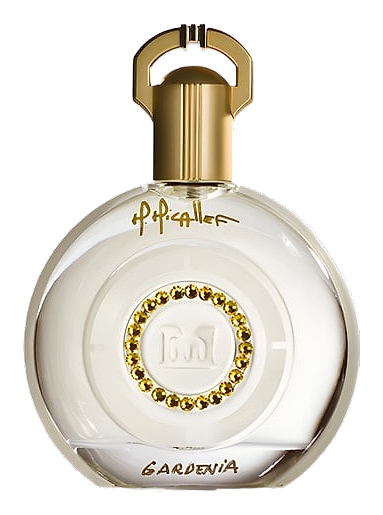
Gardenia arrived in 1976, composed by Mike Parrott for Penhaligon's. Rather than chasing the grand florals already in the collection, Parrott turned to something quieter: the gardenia itself as a subject. Not a statement fragrance. Not a showstopper. A flower translated faithfully into liquid, the lactones that give gardenia its creamy, almost buttery warmth, held in place by green and tempered by spice. The 2009 revision by Parrott kept the structure intact. Some compositions don't need reinventing. They need preserving.
What makes Gardenia unusual is the restraint. White florals often announce themselves loudly, tuberose especially demands attention. Here, the gardenia leads but doesn't overpower. The rhubarb and violet leaf in the opening keep things green and slightly tart, so the creaminess never becomes cloying. The spice in the heart (cinnamon, clove) adds warmth without heat. By the time the drydown arrives with benzoin and sandalwood, the composition has moved from garden to evening without ever feeling forced. It's a gardenia that knows when to be quiet.
The evolution
The opening arrives green and immediate, violet leaf, rhubarb, a flash of bergamot brightness cutting through the garden greens. Within minutes, the gardenia unfolds. Creamy, full-bodied, slightly animalic in the way real gardenia can be. The tuberose and jasmine follow, layering the white floral heart until it feels lush without being heavy. This is where Gardenia earns its reputation, that full, sincere bloom that wears like a smile. The drydown is powdery and warm. Sandalwood, benzoin, a whisper of vanilla. Musk that stays close to the skin. Lasts 6-8 hours on most skin types, moderate sillage that announces itself only to those standing nearby.
Cultural impact
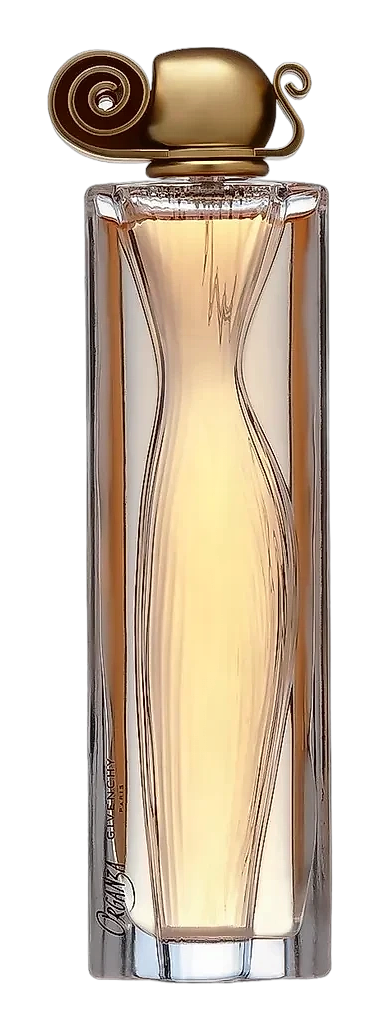
Gardenia as a fragrance note carries decades of perfumery tradition, representing a white floral that has been reimagined across luxury and mainstream houses. The gardenia note itself is technically challenging to recreate authentically, as the actual flower does not yield oil for perfumery. Perfumers must construct the scent through combinations of other flowers like tuberose, jasmine, and ylang-ylang, along with green and fruity accords. Gardenia fragrances became particularly associated with feminine elegance in the 20th century, appearing in collections from houses like Chanel and Givenchy.