The Story
Why it exists.
The beginning
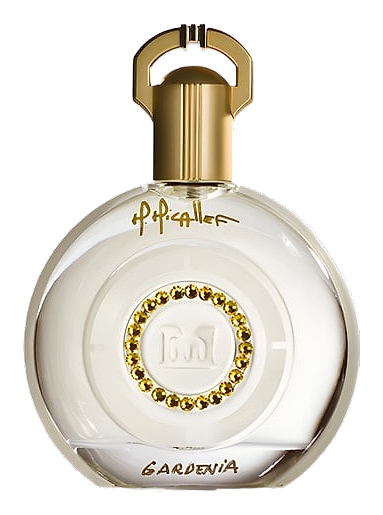
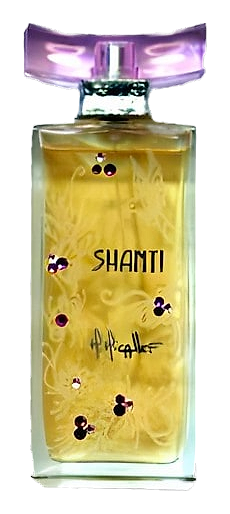
Shanti takes its name from the Sanskrit word for peace, a concept M. Micallef wanted to bottle. The house built its reputation in Grasse translating emotion into aroma, and this fragrance is no exception. Where other compositions chase complexity, Shanti strips back to what white florals do best: arrive with conviction and leave a trace. Gardenia opens the story, creamy and certain. Jasmine waits in the wings. The name says everything about the intent, not a fragrance that demands attention, but one that earns it quietly.
What makes Shanti interesting is its refusal to complicate things. Most white florals build toward something, a sharp heart note, a drydown that pivots. This one starts where others end: gardenia already in bloom, ylang-ylang already warm. The addition of lily in the heart isn't a contrast so much as a deepening, the florals breathe slower, fuller. Sandalwood at the base doesn't ground in the woody sense so much as it softens. The result is a fragrance that feels resolved from the first spray. No tension to work through. Just petals, warmth, and time.
The evolution
The opening lands fully formed. Gardenia and ylang-ylang arrive together, creamy, tropical, a little hypnotic. Neroli keeps it from becoming heavy, adds that clean brightness that makes the florals read as luminous rather than thick. Rose softens the edges within minutes, a gentle hand on the shoulder. By the time the heart arrives, the composition breathes differently. Lily and sandalwood stretch the florals longer, give them room to settle rather than fade. The drydown is where Shanti earns its name. White musk and jasmine stay close, intimate, skin-warm, still present eight hours later. The kind of finish that makes you check your wrist at noon and realize it started at seven.
Cultural impact
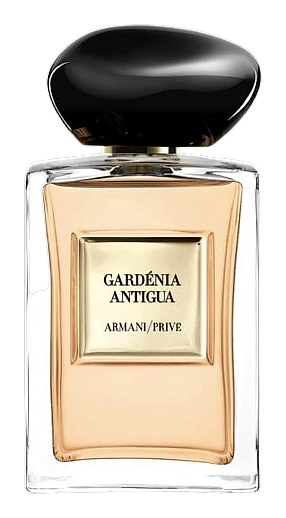
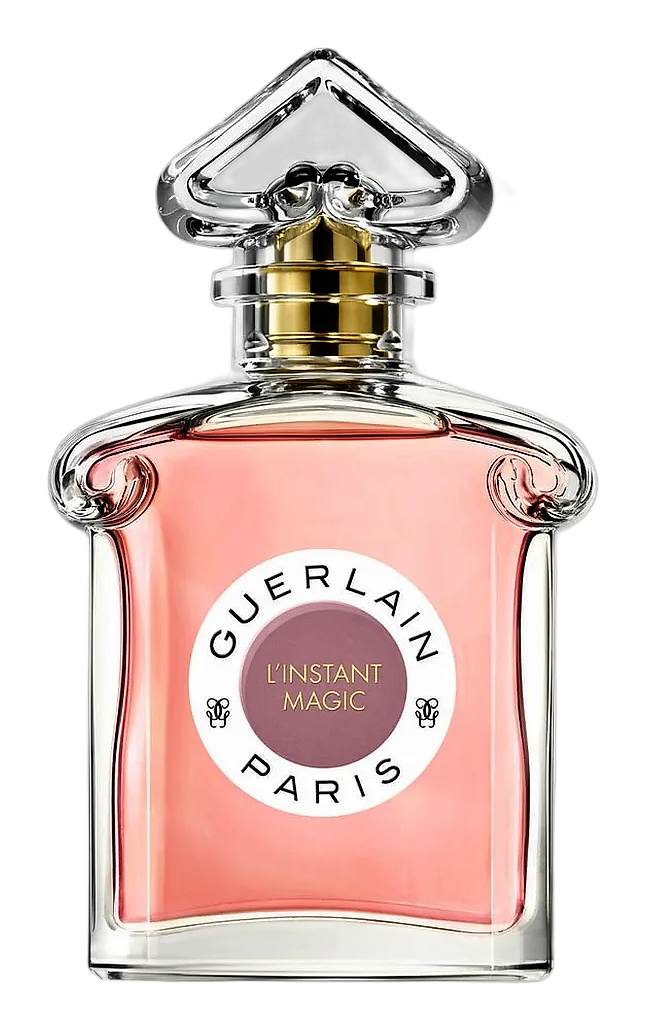
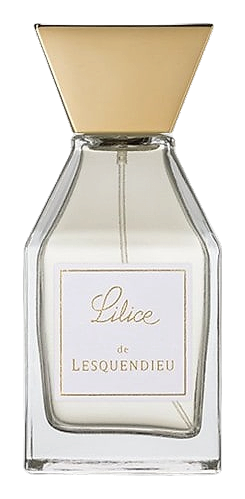
Shanti arrives at a moment when white florals have been reclaimed by niche perfumery as an alternative to the blockbuster approach. Where once gardenia and ylang-ylang signaled fullness and presence, Shanti reframes them as intimate and close-to-skin. The white floral category has expanded in recent years, with major houses releasing their own interpretations of gardenia and ylang-ylang-forward scents. M. Micallef's contribution distinguishes itself by refusing to compete for attention. The house, rooted in Grasse since 1996, has built a catalog that rewards those who linger close. Shanti fits this tradition, offering a white floral experience that asks to be discovered rather than announced.