
The Story
Why it exists.
The beginning
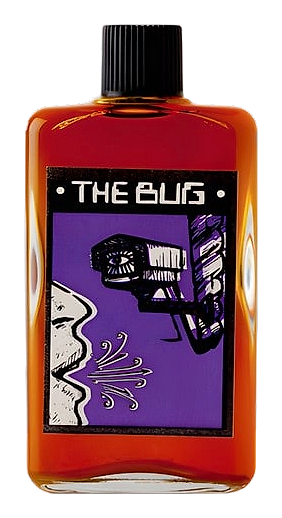
Lush's Gorilla Perfume line has always been where the brand gets strange. The Bug, released in 2012 by Mark Constantine and Simon Constantine, is a protest perfume. Not protest as in a fragrance that smells like protest signs and street drums. Protest as in surveillance cameras, anonymous hackers, the paranoia of constant observation. The packaging shows a CCTV camera with a single all-seeing eye. The message is clear: you're being watched, and this scent is watching back.
The note structure is built to unsettle. Galbanum and black pepper form the opening assault, a one-two punch of sharp green and clean spice that doesn't apologize for itself. Labdanum brings the balsamic warmth, but it arrives late and never fully softens the green. Sandalwood anchors everything into earth and wood. As the fragrance dries down, the green notes persist with remarkable tenacity, refusing to fully yield to the resinous undertones. The result is a fragrance that refuses to play safe, built for someone who wants their scent to have a point of view.
The evolution
The Bug opens like a challenge. Sharp, green, almost aggressive. Galbanum leads with that distinctive bitter-green intensity, while black pepper adds clean heat. Then the sandalwood arrives, damp and earthy, transforming the composition into something that smells like wet moss and old wood. Labdanum's balsamic warmth emerges in the heart, but it doesn't comfort so much as deepen. The tonka bean appears late, adding a whisper of sweetness that barely registers against the persistent green. On skin, the drydown lasts for hours, holding that earthy-green character without ever fully softening. On clothes, it settles into fabric and lingers, releasing small traces each time you move. The staying power is real, and it fits the theme. This fragrance doesn't leave quietly.
Cultural impact
The Bug arrived as part of Lush's Gorilla Perfume collection. Created by Mark and Simon Constantine, the perfume emerged as a statement piece addressing surveillance culture and modern paranoia. The green-forward profile catches attention immediately, with elemi and galbanum creating an aromatic experience that stands apart from conventional offerings. The fragrance challenges wearers to embrace scent as a form of personal expression rather than mere pleasantness. Its unapologetic approach to composition makes it a distinctive choice for those seeking something different from mainstream perfumery.