
The Story
Why it exists.
The beginning
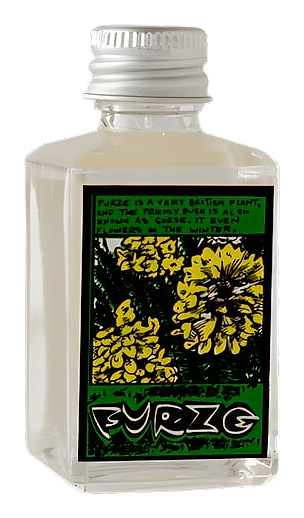
Simon Constantine grew the furze bush that inspired this fragrance in his own garden. Gorse, with its prickly thorns and tiny yellow flowers, became the unlikely muse. The idea wasn't to recreate a garden, it was to bottle the contradiction: something protected, something worth guarding, something golden hidden inside a thorny exterior. Furze captures that hedge-row tension through neroli and mimosa, two florals that don't usually share a bottle.
The yellow floral structure, mimosa at the heart, neroli leading, isn't complex. But Furze earns its place through an unusual detail: green, waxy notes that live at the edges, suggesting the plant's prickly nature. Combined with coconut cream and vanilla, the result feels simultaneously wild and edible. That's the real move here, not just another sweet floral, but one with a hedgerow undertow that keeps it from becoming mere comfort.
The evolution
The opening announces itself with neroli's citrus-floral punch. Sweet, slightly bitter, like orange blossom in afternoon sun. Coconut and mimosa arrive fast to soften what could have been sharp. The first hour is warm and honeyed-cream. Then the florals deepen, blend, become indistinguishable. Vanilla emerges. The green notes never fully disappear, they're the backbone holding everything upright. By drydown, the composition settles into something powdery-soft, intimate, close to skin. The furze plant's waxy, slightly resinous character lingers at the edges.
Cultural impact
Furze has quietly lasted since 2012, finding its audience among those who want warmth without sharpness. It sits apart from Lush's more provocative offerings, less challenge, more comfort. The yellow floral-gourmand combination is unusual enough in the niche space to earn its place.