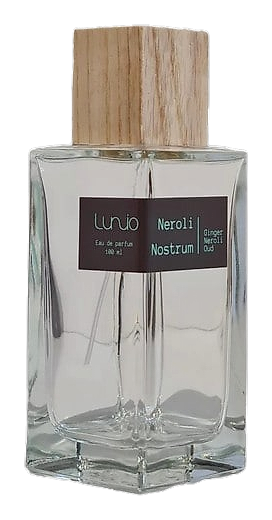
The Story
Why it exists.
The beginning
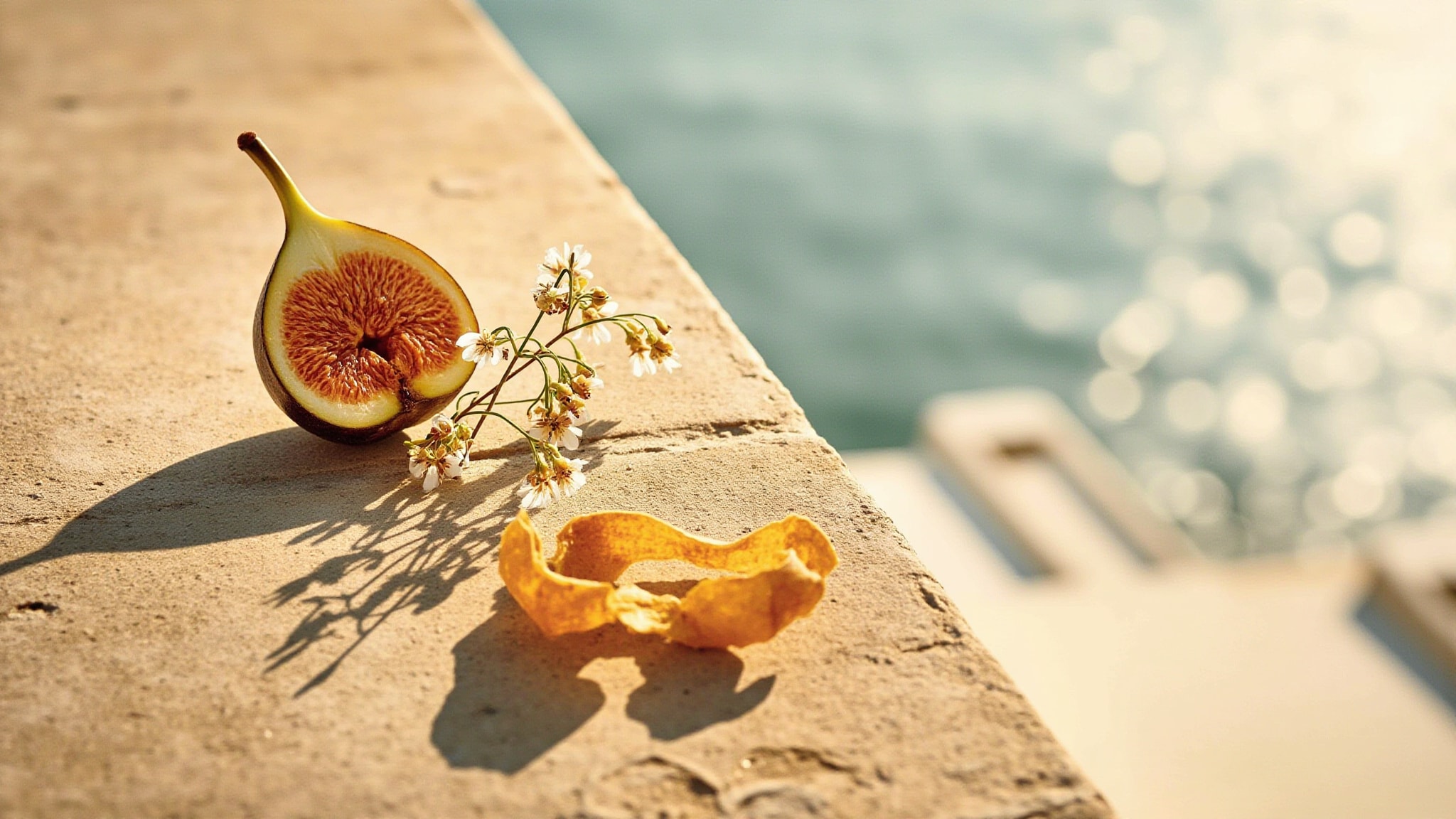
Neroli Nostrum opens a door to the Mediterranean, translating its landscapes and climate into scent. The perfumer, Daniel Josier, composed a fragrance that moves through multiple sensory dimensions: the bitterness of citrus groves at dawn, the warmth of stone walls holding afternoon sun, the green depth of fig trees at the grove's edge. The neroli oil anchors the composition, but it serves as part of a broader olfactory landscape rather than a single-note showcase. This wasn't a fragrance about a single flower. It was about a place, the way light falls on a hillside, the way air carries the memory of citrus and warm earth. Each element in the blend contributes to an impression of the Mediterranean that feels immediate and lived-in rather than imagined from photographs.
What makes Neroli Nostrum structurally interesting is how the fig bridges the heart and base. Tuberose alone can be sharp, almost confrontational in its white floral intensity. Here, the fig's lactonic creaminess softens that edge without diluting the floral character. The result feels richer than a standard neroli soliflore, warmer than a clean citrus. The ginger in the opening is the quiet workhorse: it adds a clean heat that keeps the citrus from reading as merely fresh, giving the top a slight spiky edge that evolves into something softer as the florals take over.
The evolution
The opening announces itself immediately. Sicilian bergamot, petitgrain, and ginger create a bright, almost electrified citrus. Clean heat from the ginger gives it a medicinal sharpness that distinguishes this from a standard Mediterranean cologne. Within minutes the neroli emerges, waxy and sweet, followed closely by fig's milky undercurrent. This is where the fragrance pivots from bright to warm. The tuberose deepens the floral heart, but it's the fig that pulls everything toward something softer, more intimate. As the hours pass, the base notes take over. Cedar and oud push forward, bringing a woody, slightly animalic darkness that contrasts sharply with the earlier brightness. The sandalwood and amber add warmth and creaminess without sweetness. By the drydown, the fragrance settles close to the skin, a quiet warmth that lingers.
Cultural impact
Neroli Nostrum occupies an interesting position in the fragrance landscape: it takes a classic Mediterranean neroli structure and infuses it with more depth and warmth than the genre typically offers. The combination of tuberose, fig, and oud gives it a distinct point of view that serious fragrance collectors notice. For those drawn to the neroli and orange blossom genre, it presents something with more character than most offerings. The composition stands apart from straightforward citrus florals by threading darker elements through its heart and base, creating a fragrance that rewards attention and develops meaningfully over wear time.