
The Story
Why it exists.
The beginning
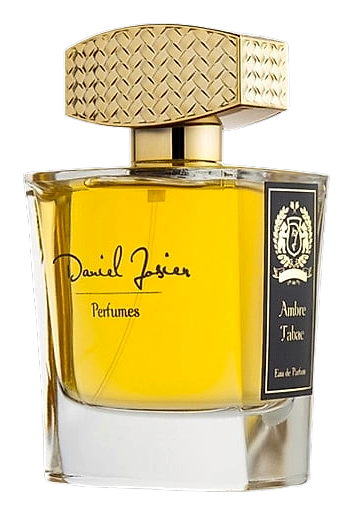
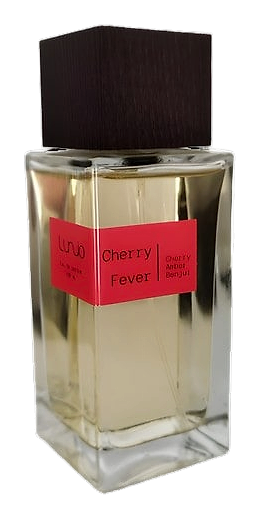
Daniel Josier approached Cherry Fever as a study in persistence. The brief: build a cherry fragrance that doesn't disappear within an hour. That survives skin chemistry, not just test strips. The answer lay in the base, amber, benzoin, and patchouli acting not as a foundation but as a second heartbeat. Oud and heliotrope enter quietly, creating a heliotrope-almond softness that most formulations leave out entirely. Then the cherry arrives and refuses to cooperate with expectation.
What makes the structure unusual is the leather bridging act. Most cherry fragrances peak early and coast on sweetness. Cherry Fever does the opposite, the leather accord arrives in the heart, absorbing the cherry rather than competing with it. The result feels darker, more considered. Heliotrope provides the powdery cloud that stops the cherry from tasting medicinal. The benzoin-siam note in the base isn't just resin, it's the sticky, vanillic warmth that gives the drydown its signature: sweet, close, and lasting well beyond what most in this price bracket deliver.
The evolution
The opening is all heliotrope and cinnamon, a soft, almost-almond warmth that doesn't announce itself. Then black cherry arrives. Not candied. Not synthetic. Dark and a little tart, the way real fruit smells when it's past peak sweetness but not yet overripe. The leather appears within the first hour, moving from background to backbone. It absorbs the cherry, blending sweetness and darkness into something that feels worn in rather than applied. Three hours in, the cherry begins to recede. Amber and benzoin take over, sticky, vanillic, sweet-resinous. The leather persists, now warmed by patchouli and oud, which resurfaces as a quiet woody undertone. On skin, this holds for 8-10 hours. On fabric, longer. The next morning: a faint benzoin warmth and the ghost of cherry. Nothing else required.
Cultural impact
Cherry-forward fragrances have undergone a remarkable transformation in recent years, evolving from sweet confectionery interpretations to complex, adult compositions. Cherry Fever emerges at a time when consumers increasingly seek fragrances that balance playful fruit notes with sophisticated depth, particularly in markets where oud and warm woods remain central to fragrance culture. The combination of heliotrope's powdery, almost medicinal cherry character with the spice of cinnamon and the resinous depth of agarwood speaks to a desire for scents that feel both nostalgic and contemporary.