The Story
Why it exists.
The beginning
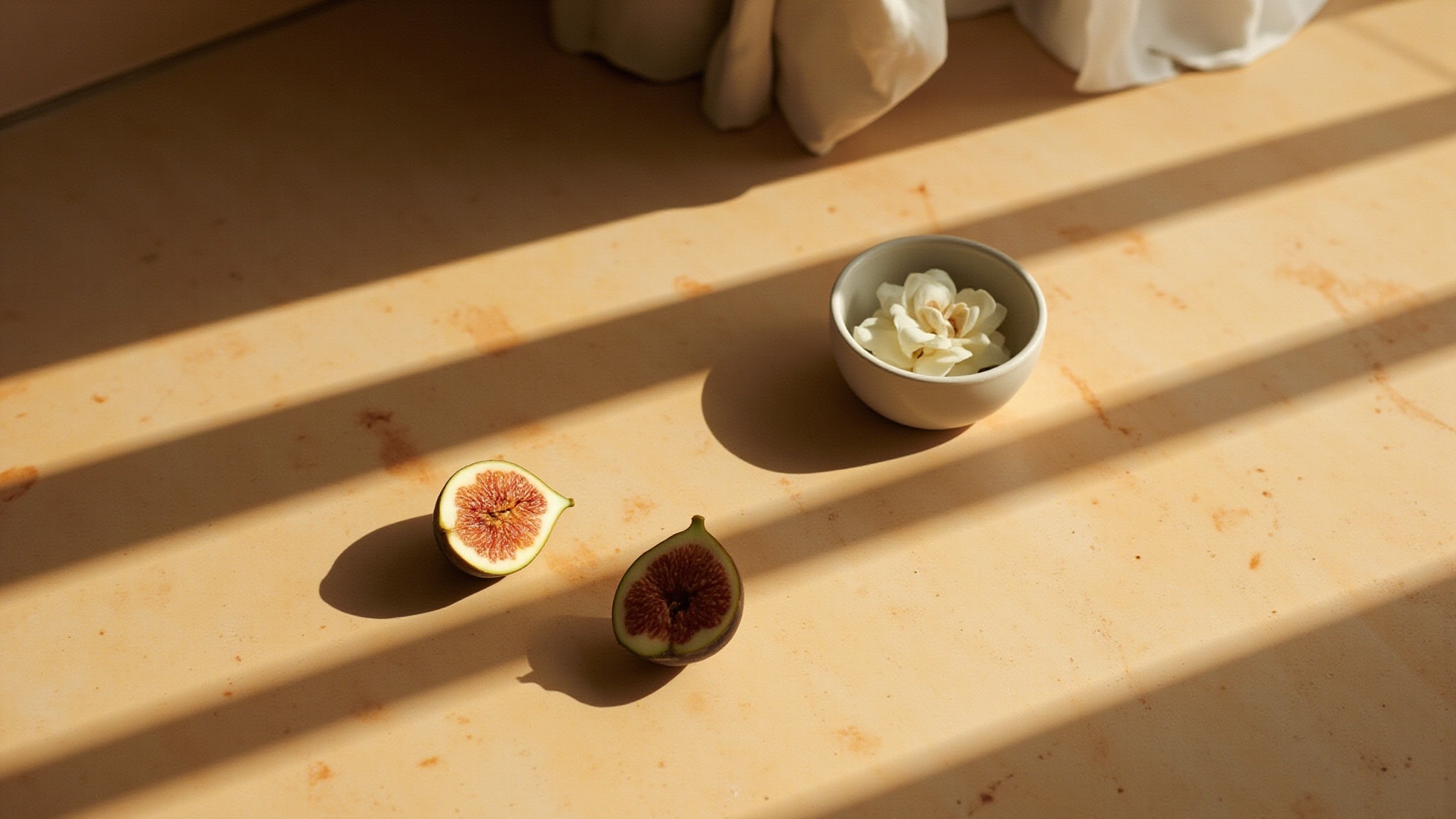
Borderline Neroli is built around a psychological tension: the fight between two opposite white flowers. Neroli brings clean kindness, the kind that opens doors and makes good first impressions. Tuberose brings violence, not aggression, but opulence so dense it changes the air in a room. Olivier Cresp framed this as the struggle for balancing self-image and sense of self, the core tension of Borderline Personality Disorder. Bergamot supports the neroli with a soapy, comfortable cleanliness. Fig sharpens the tuberose with a green, fruity note. On skin, the two white flowers take turns asserting themselves, neither willing to share the stage quietly.
The neroli-tuberose pairing is not a balancing act. It's a collision. The fig does the work of sharpening the tuberose while softening the bergamot's citrus edge, a quiet mediator that makes both white flowers more themselves. Jasmine stays backstage, holding the tuberose's density together without trying to lead. The fig note serves a structural purpose, adding green undertones that give the floral heart somewhere to live rather than simply floating in sweetness.
The evolution
The opening is neroli's domain. Bright, clean, almost soapy, Calabrian bergamot lending sharpness that makes the air feel scrubbed. There's an immediate clarity here, a citrus brightness that feels almost medicinal in its purity before softening into something more inviting. Fig arrives quietly, green and slightly unripe, cutting through the cleanliness with something that feels more interesting. The combination creates a peculiar tension, the crispness of citrus meeting the verdant quality of unripe fig in a way that refuses to settle into comfort. Then the jasmine enters, but it's the tuberose that takes over the heart. Creamy, thick, almost confrontational in its sweetness. The green fig note persists, cutting through the richness like a pause before the fall. It's a deliberate interruption, a moment of green restraint that prevents the composition from becoming merely sweet.
Cultural impact
White floral fragrances that refuse to be polite. The neroli-tuberose clash creates a scent that sparks conversation, some wearers find the tuberose intensity overwhelming, others find it exactly what they wanted. People who wear it tend to have a point of view. It occupies space outside typical summer florals, attracting those drawn to fragrance as a form of self-expression rather than ambient pleasantness. The intensity invites strong reactions, making it a marker of personal taste in a market full of safer choices.