The Story
Why it exists.
The beginning
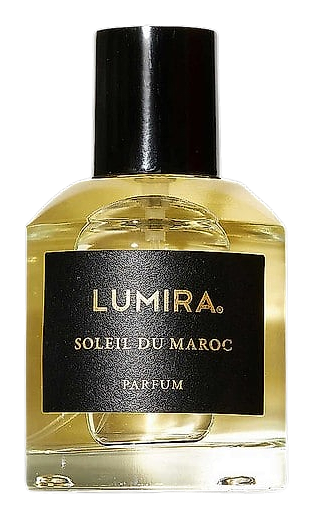
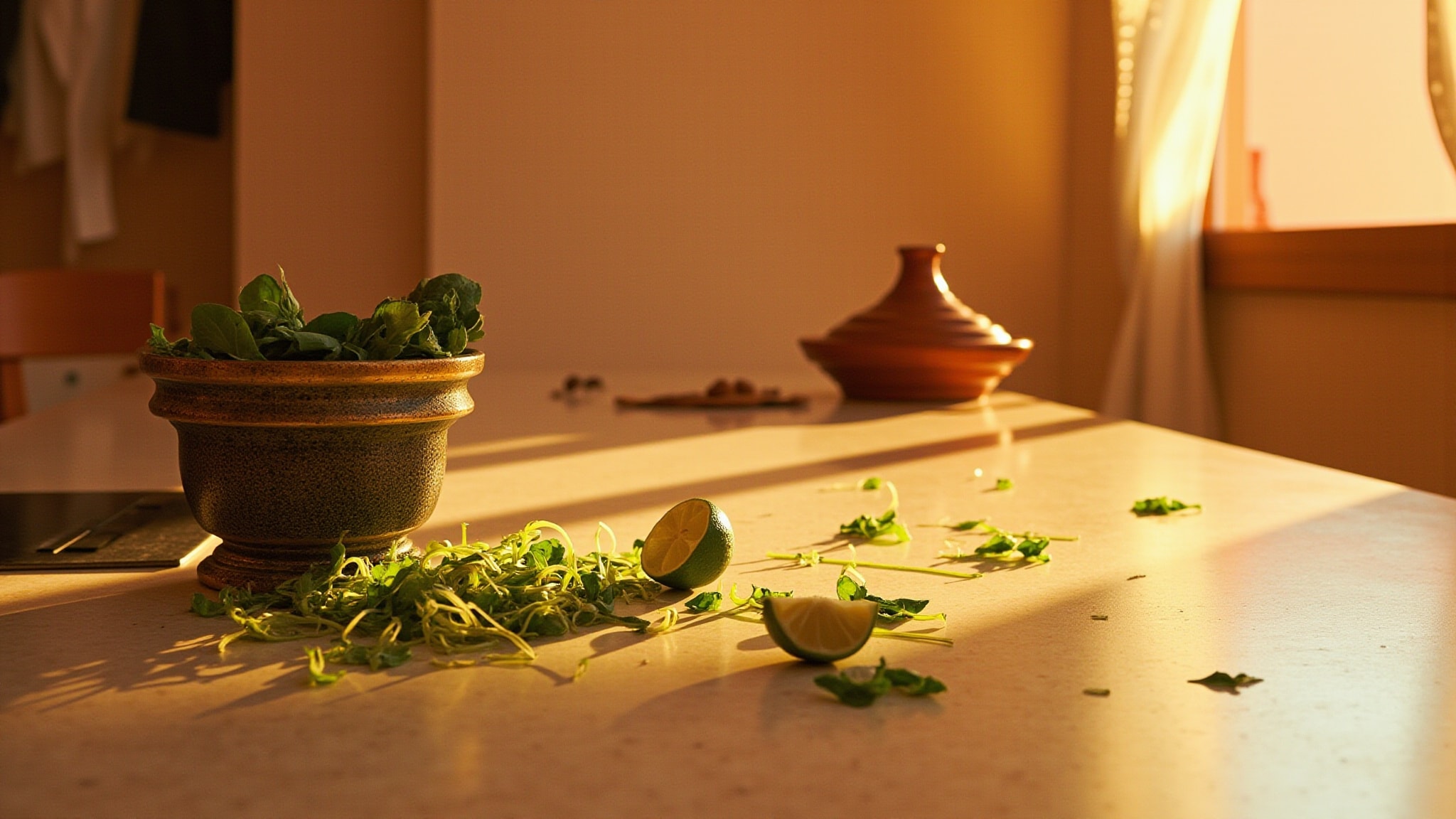
Some fragrances chase a mood. This one chased a place. Soleil du Maroc translates a sensory overload into a composition that moves from sharp citrus to dense wood in a single breath. Released in 2020 and composed by perfumer Rebecca Akhyani, the scent arrives as a Sydney-based house's explicit postcard from another country. The name does the work up front. Du Maroc. Of Morocco. Nothing subtle about the claim. Akhyani's composition doesn't whisper that intention. It announces it in lime, basil, and lemongrass before the warmth even settles in. The opening is a bright, almost aggressive green-citrus accord, with the lime biting first and the lemongrass curling underneath like grass clippings left in the sun.
The interesting move is the heat. Soleil du Maroc uses nutmeg, cinnamon, and ginger in the opening, but arranges them around cooling herbs and sharp citrus. The result is a fragrance that smells warm without smelling cooked, spicy without smelling like a dessert. The middle introduces clary sage and gurjum wood, a pairing that adds a savory, almost resinous backbone rarely found in citrus-forward compositions. The base layers cedar, guaiac wood, oud, vanilla, and musk, which grounds the brightness without burying it. It's a structure that borrows from oriental perfumery but stays in the sunlight rather than retreating into shadow. Most citrus fragrances end where this one begins.
The evolution
The first 30 minutes belong to the green. Basil, lemongrass, and lime zest hit together with a brightness that borders on aggressive, then nutmeg and ginger warm the edges until the opening reads as both cooling and smoldering. It's a contradiction that works because the spice never overpowers the herb. By the one-hour mark, clary sage softens everything. The citrus pulls back. Gurjum wood steps forward, and the composition takes on a drier, more resinous character. The shift is noticeable. By hour three, cedar, guaiac wood, and vanilla have taken over, with oud threading through the musk in a way that's more suggestion than statement. The drydown is where Soleil du Maroc earns its name. Warm, slightly sweet, woody without being heavy. It clings to skin through the late afternoon and into evening, settling into something quieter and more skin-like than the opening ever promised. On a wool sweater the next morning, you'll catch vanilla and a trace of that lime. The green is gone. The warmth stays.
Cultural impact
Soleil Du Maroc arrived in 2020, a year that reshaped how niche fragrance houses reached their audiences as travel stalled and home rituals took on new weight. The release leans into the kind of escapism that bottled scent has always offered, but with a sharper, greener profile than the heavy oud-and-amber compositions that had dominated Moroccan-inspired perfumery in the preceding decade. The opening trio of lime, basil, and lemongrass reads as bright, aromatic, and distinctly modern, pulling away from the resinous sweetness that many buyers had come to associate with North African fragrance.