Gurjum Wood
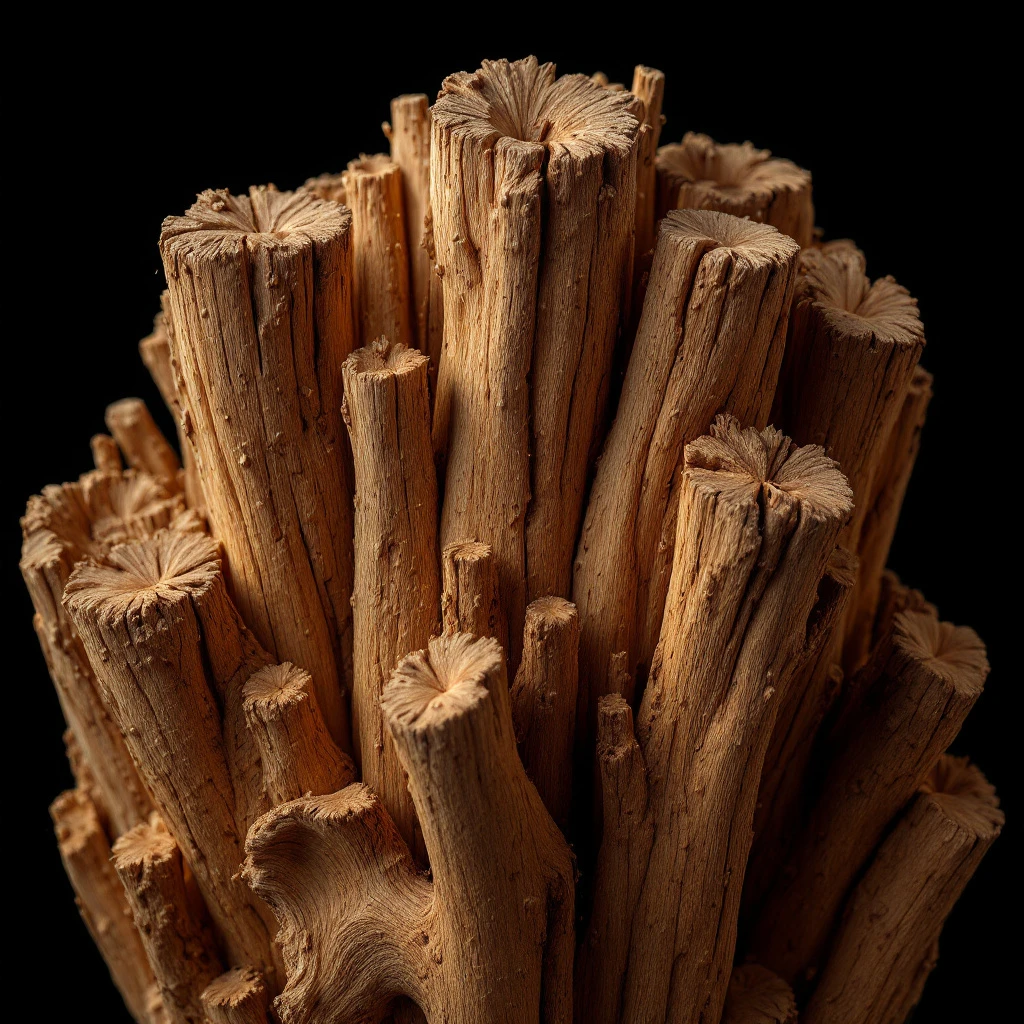
Gurjum wood, often called gurjum balsam, pours a warm, honeyed-amber smoothness into fragrance bases. It anchors compositions the way cedar or patchouli might, yet carries a softer balsamic sweetness prized in modern oriental and woody scent families.
Character
How it smells
Amber-hued wood with a balsamic whisper
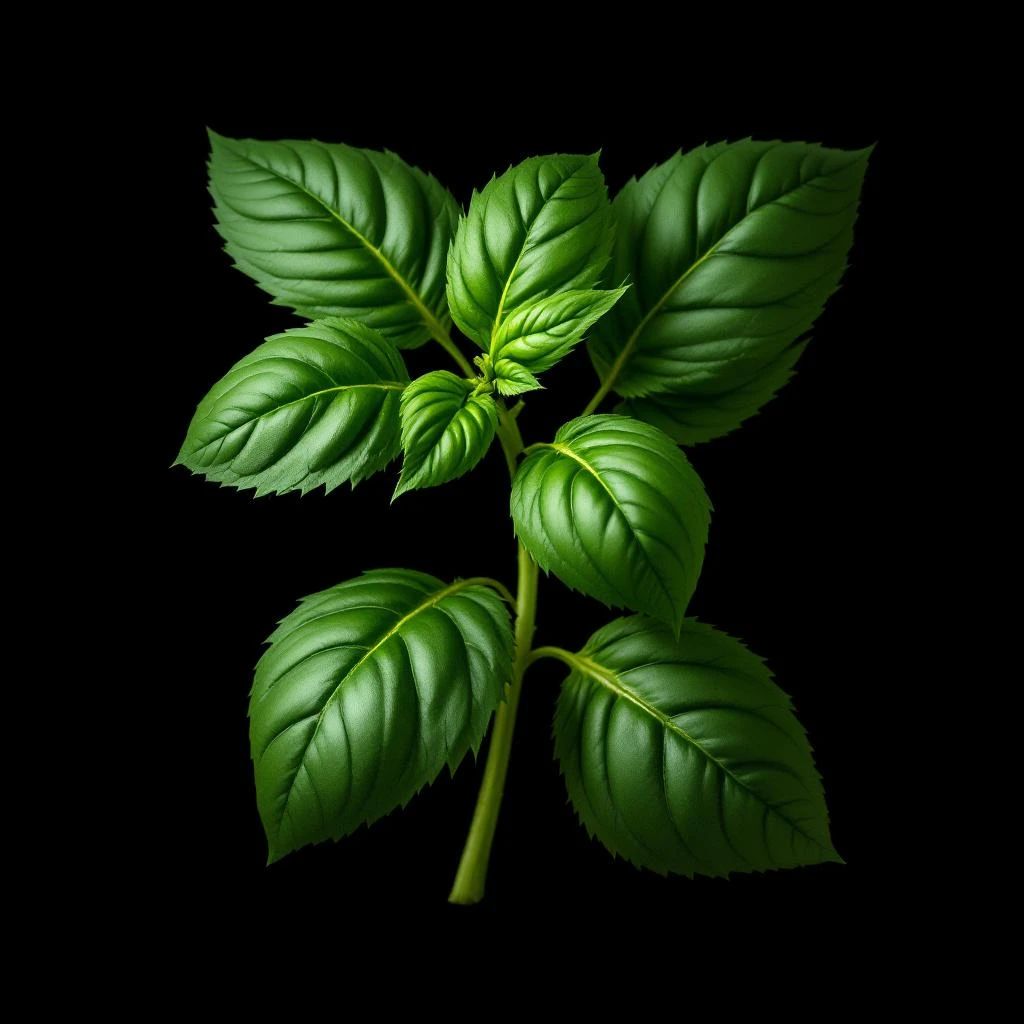
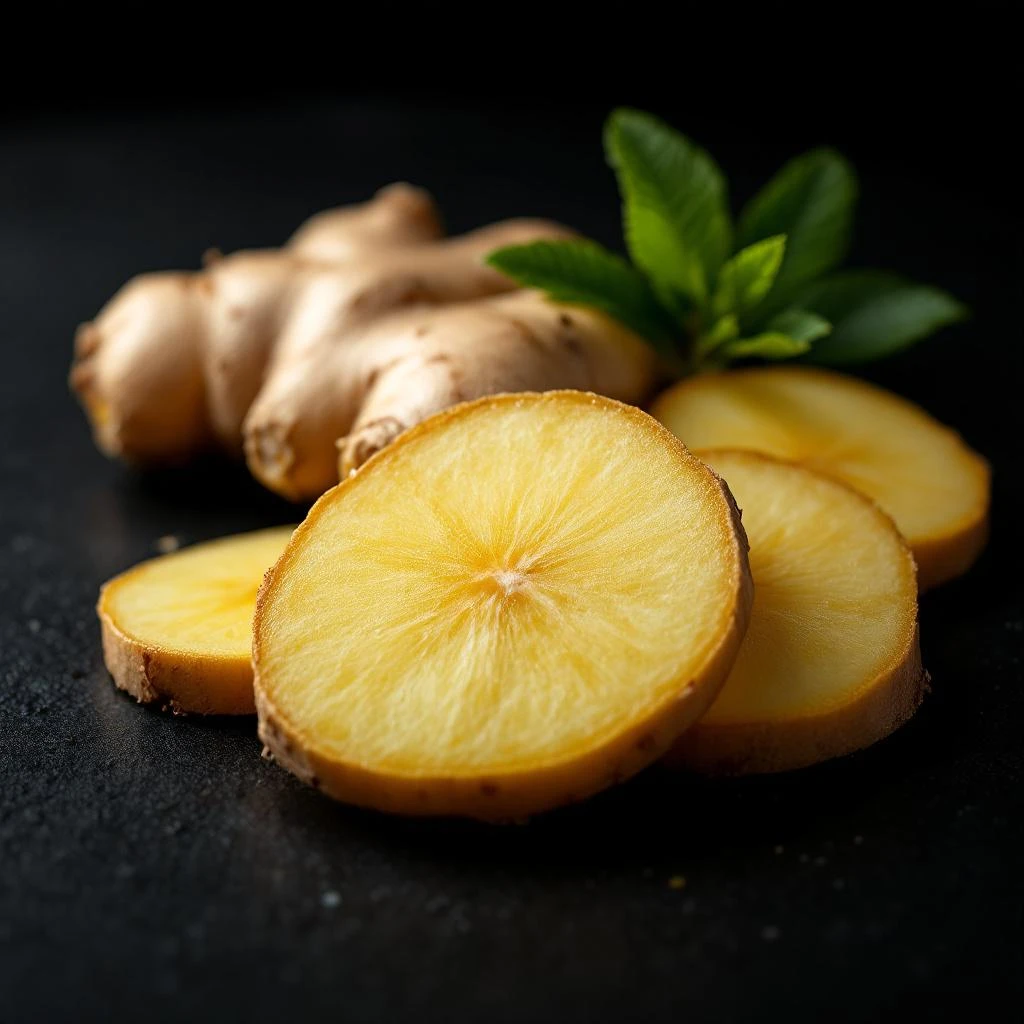
Gurjum trees release a natural resinous balsam from bark cracks, giving perfumers a ready-made aromatic exudate that smells remarkably close to patchouli crossed with sweet myrrh.




Origin
India
Gurjum wood traces its perfumery lineage through the Dipterocarpus forests of South and Southeast Asia, where tribal communities long gathered the resinous balsam for medicinal balms and ceremonial unguents. By the early twentieth century, European fragrance houses began importing gurjum balsam from India and Indonesia as a cost-effective extender for patchouli, copaiba, and certain agarwood-style accords. It served as a quiet workhorse note, smoothing rough edges in masculine fougères and oriental bases.
Indian arrack and traditional attar producers valued it for lifting heavier musks and woods without adding sharpness. Modern perfumers rediscovered gurjum in the late 1990s as sustainable sourcing pressures pushed reformulators away from overharvested agarwood, sparking renewed interest in this understated, honey-amber wood.
Wears it best
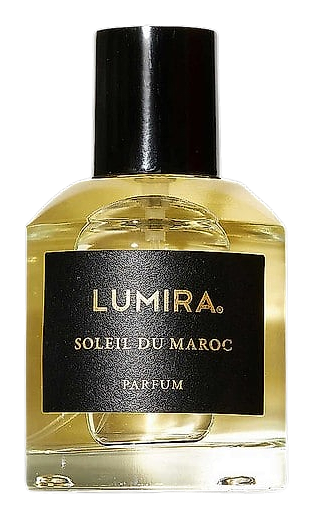
Fragrances featuring Gurjum Wood
Brands
Brands known for Gurjum Wood
Good to know
Questions, answered
The essentials on Gurjum Wood in perfumery: how it smells, where it comes from, and how it behaves on skin.
What does gurjum wood smell like in perfume?
Gurjum wood carries a warm, woody-amber character with gentle balsamic sweetness and faint smoky undertones. It reads softer than patchouli yet richer than cedar, making it ideal for smoothing oriental and woody bases without adding sharpness or animalic weight.
Is gurjum wood the same as agarwood?
No, these are distinct materials. Agarwood comes from Aquilaria trees infected by mold, producing rare resinous heartwood. Gurjum derives from Dipterocarpus species and offers a more accessible, lighter woody-balsamic profile at a fraction of the cost.
Where does gurjum balsam come from?
Gurjum balsam originates primarily from Dipterocarpus trees growing across India, Indonesia, and parts of mainland Southeast Asia. Indian-sourced material remains the benchmark in modern perfumery for its consistent warm-amber character.
Is gurjum wood sustainable?
Sustainability depends on sourcing practices. Wild tapping can stress Dipterocarpus populations, but managed forestry programs and cultivated plantations in Indonesia and India now supply a growing share of commercial gurjum balsam.
How is gurjum balsam extracted from the tree?
Harvesters wound the bark of mature Dipterocarpus trees, allowing the tree to exude its sticky oleoresin naturally. The balsam hardens on exposure to air and is collected by hand, then steam-distilled to yield the perfumery-grade essential oil.
Which fragrance families use gurjum wood most?
Gurjum wood appears most often in oriental, woody, and fougère compositions. Perfumers value its balsamic warmth as a blending agent that bridges heavier base notes like patchouli, vetiver, and labdanum with brighter top accents.
Can gurjum wood replace patchouli in a formula?
Gurjum balsam shares some earthy-woody facets with patchouli but lacks the damp, cellar-like depth that defines true patchouli. It works best alongside patchouli as a smoother supporting note rather than a direct substitute.
Does gurjum wood contain any allergenic compounds?
Like most distilled wood oils, gurjum balsam oil may contain trace allergens such as benzyl benzoate. Under IFRA guidelines, finished fragrances using gurjum materials must stay within established concentration limits for safe skin contact.


