The Story
Why it exists.
The beginning
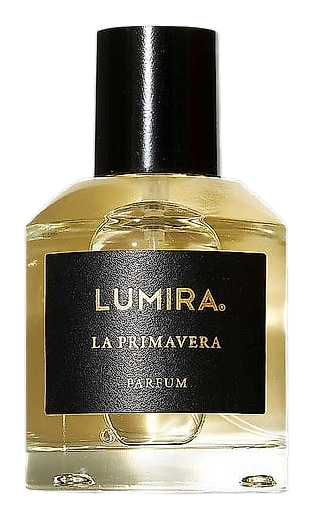
La Primavera translates simply as "the spring" in Italian. The name was drawn from San Remo, the coastal town Lumira used as the starting point for the composition. The perfumer behind it is Rebecca Akhyani, and the town's surrounding landscape gave her the raw material for the scent. San Remo offered citrus groves, rose gardens, and the jasmine that climbs old stone walls, alongside the cooler green notes of moss and vetiver that live in the shadow of those blooms. Where the flowers catch direct sunlight, the air carries sweetness, but tucked between garden walls and shaded stairways, the same coastal air turns vegetal and damp. La Primavera captures both registers, the bloom and the undergrowth, the sunlit face of the coast and the cooler pockets where greenery takes over.
What makes La Primavera structurally interesting is the chypre-floral scaffolding beneath a deceptively simple top. The rose leaf and lemon give an opening that reads almost like a cologne, sharp and fleeting, but the base pulls it into territory with more weight. Patchouli and cashmere musk do the anchoring, while vetiver and moss add the green dampness of stone walls after rain. The jasmine and lily in the heart are restrained rather than indolic, which gives the fragrance an unusual clarity for a composition that contains so many florals.
The evolution
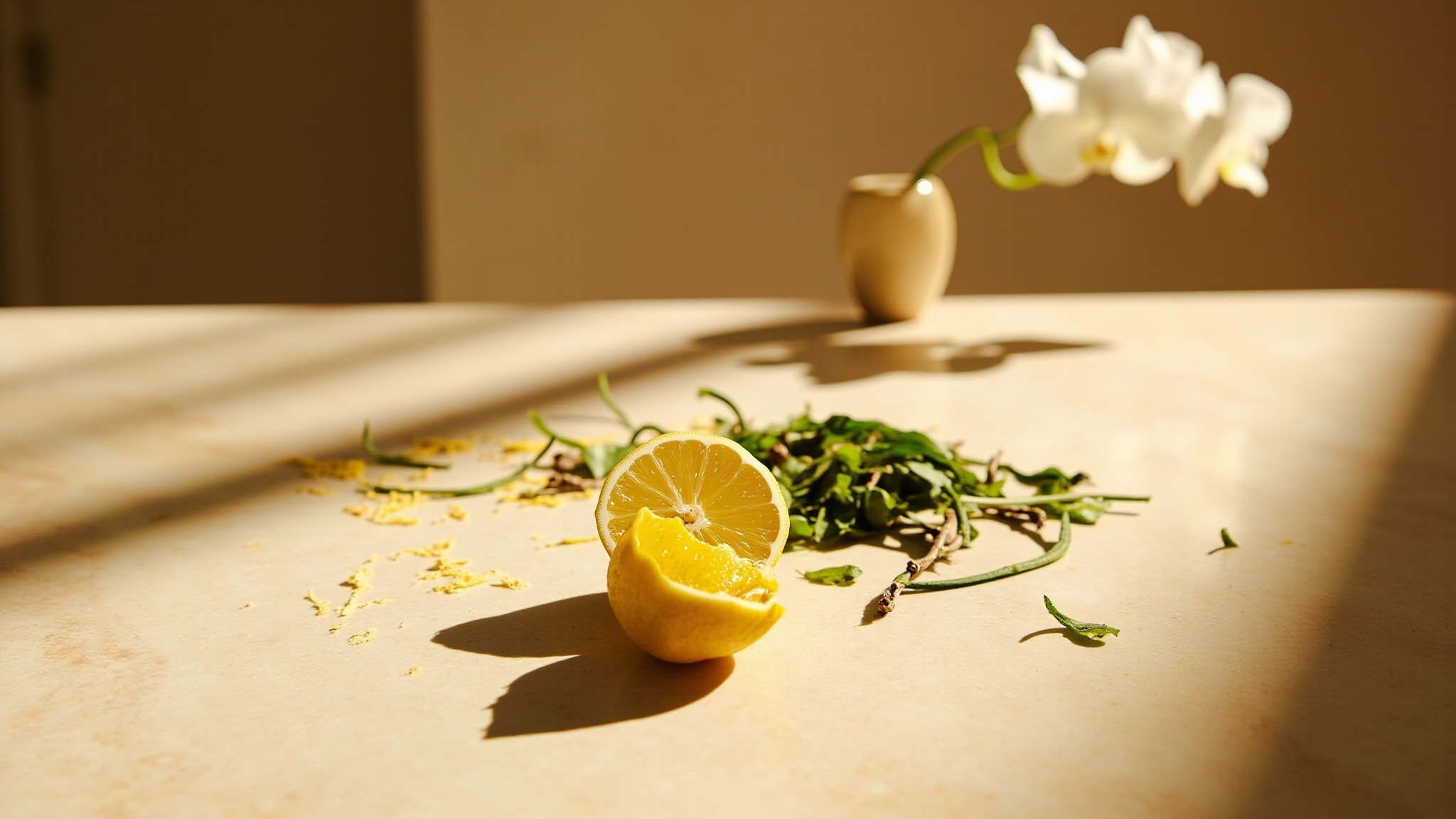
The first 15 minutes belong to lemon. It's bright, almost bracing, the kind of citrus that announces itself before you've moved your wrist. Rose leaf sits beside it, green and slightly bitter, the way crushed stems smell before the bloom fully opens. Citruses round out the opening with a softer sweetness that keeps the sharpness from feeling clinical. As the opening fades, lemon starts to soften and jasmine takes more space in the composition. It's not the heavy, almost-fruity jasmine of a tropical white floral, but something cooler, more like the jasmine that climbs garden walls in the early afternoon. Lily adds a creamy sweetness that fills the space, and the whole composition shifts from citrus to floral in a way that feels natural rather than abrupt.
Cultural impact
La Primavera fits within a broader current of compositions that try to capture a particular sense of place rather than simply marketing a season. The chypre base and the jasmine-lily heart give it a grounded character that separates it from the lighter, more commercial spring releases that lean entirely on citrus and white musk. Among niche offerings, it sits closer to the understated, atmospheric end of the spectrum than to the louder, projection-focused florals that dominate some catalog shelves.