The Story
Why it exists.
The beginning
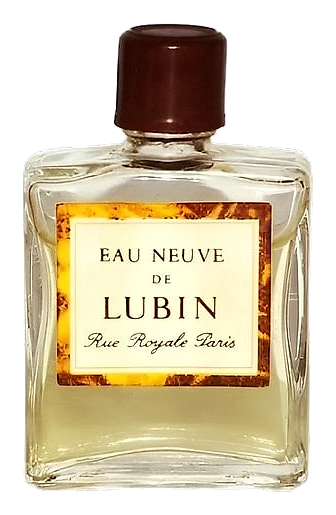
L'Eau Neuve arrived in the spring of 1968 from the Lubin workshop, composed by Roger Broudoux. The fragrance carries an immediate sense of clarity in its very construction, a reset for the senses built into the bones of the composition. Broudoux shaped the scent around a fougère framework, then softened its lines for a women's composition by brightening the opening with citrus and giving the herbal elements a lighter, more transparent treatment. The result was meant to feel like stepping outside after rain, refreshed and ready, carrying that kind of effortless composure associated with a house whose name has long been linked to the craft of fine French perfumery.
What makes this composition distinctive is the weight it gives to the aromatic herbs in the heart. Marjoram, coriander, thyme, and sage share space together with uncommon generosity, and Broudoux treats them less as accents than as the structural ribs of the scent. The lavender traditionally anchoring the genre is pushed to the opening, where it performs its job quickly and leaves, making room for an herbal austerity that grounds the fragrance in something more functional than decorative.
The evolution
The first hour is where L'Eau Neuve performs its brightest work. Bergamot, lemon, and orange lift the composition off the skin with a clean, almost mineral acidity, while lavender threads through the citrus adding the first herbal edge. Then the top notes recede and the aromatic heart takes over completely, marjoram and thyme giving off a dry warmth, coriander adding a cool green peppery spark, sage settling everything down with its steady, slightly camphorated presence. The structure shifts around the two-hour mark as sandalwood and cedarwood rise beneath the herbs, giving the scent a wooden backbone that softens what came before without ever pushing the aromatics aside. What lingers longest is the oakmoss and patchouli pair, an earthy, slightly bitter accord that stays close to the skin for hours, projecting softly but with real persistence.
Cultural impact
L'Eau Neuve sits within Lubin's Les Evocations collection. Its fougère structure marks it as part of a French perfume lineage with deep roots, and the way the composition treats its herbal materials gives it a character that sets it apart from the heavier florals and orientals that dominated the late 1960s. The fragrance speaks to people who want something herbaceous and bright, something that feels considered without ever becoming heavy or overwrought.