The Story
Why it exists.
The beginning
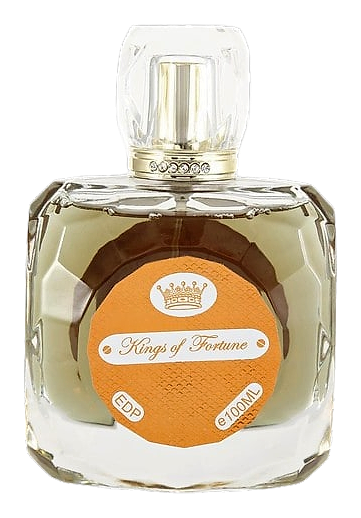
Kings of Fortune entered the Louis Cardin catalogue as a portrait of a very specific kind of man: one who doesn't ask for attention, who takes it. The brand's own description, 'the scent of seduction and brutality, which clearly draws a male portrait of a King,' sets the terms clearly. This is not a fragrance that hedges. It is a statement of intent, built on the architecture of an oriental-woody composition, rebalanced toward something more deliberate, more assured. The name itself, Kings of Fortune, evokes a figure who has won something and knows exactly what it cost. The juice carries that same sense of consequence. Every accord in the accord has a function in the larger design, and the fragrance asks to be worn rather than simply smelled.
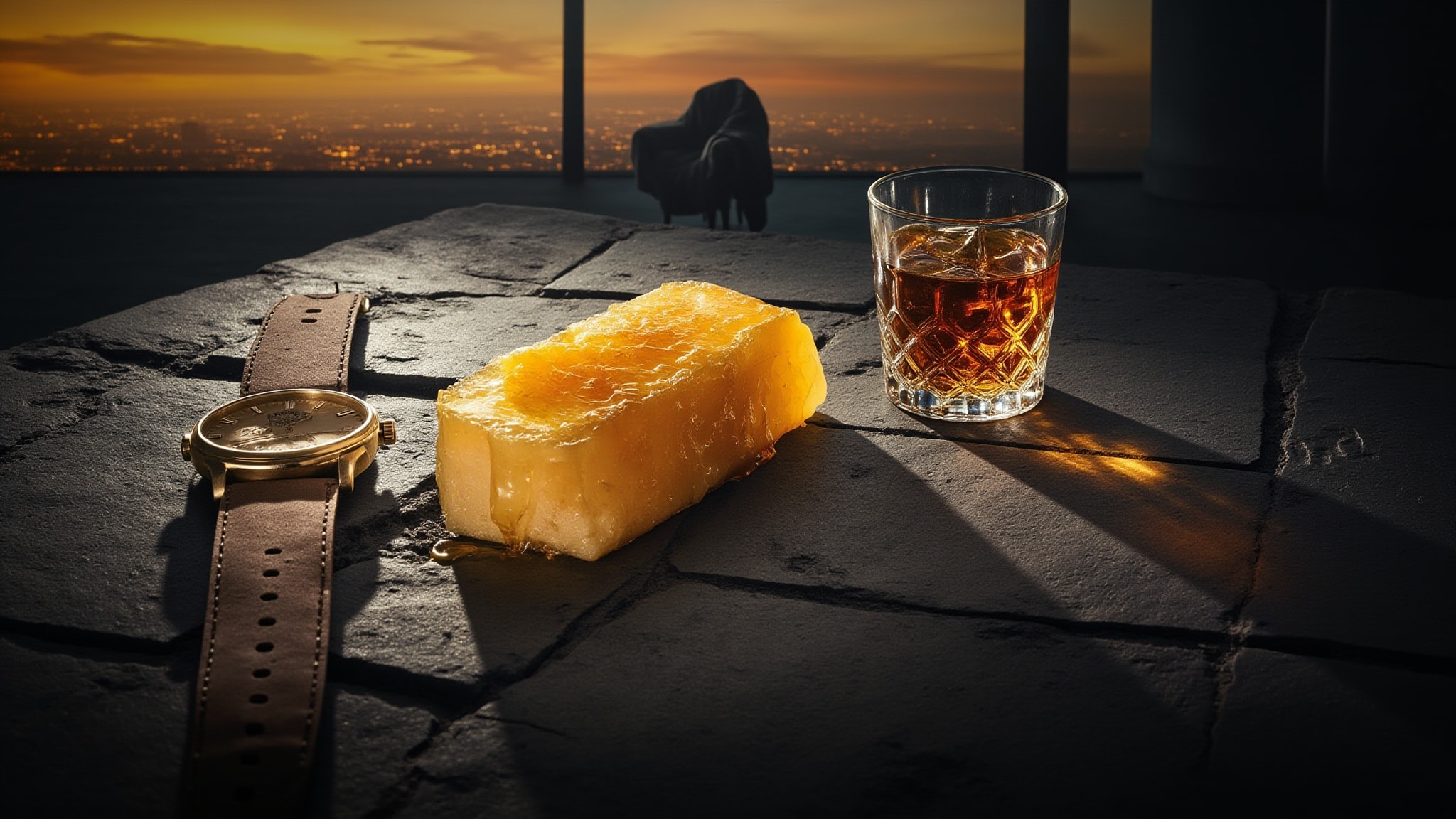
What separates this from a hundred other oriental-woody men's releases is the architecture of the heart. The honey does heavy lifting here, not as a sweetener but as a binding agent that makes the rose and jasmine behave like one material instead of two. Most compositions use rose as decoration and jasmine as lift. Here, the honey drags them both downward, grounding the florals in something almost edible. The bergamot and lemon top is brief and functional: it exists to give the florals a clean entry, nothing more.
The evolution
The first 15 minutes are the most deceptive. Bergamot and lemon arrive sharp and almost ordinary, the kind of clean citrus opening that could belong to any daytime fragrance. Then the honey arrives, and the whole thing tilts. Within 30 minutes, the rose and jasmine have emerged, but they don't smell like a floral. The honey has already changed their character, pulling them toward something warmer, almost syrupy. By the one-hour mark, the composition has shed its top notes entirely. What remains is a warm, dense blend of tonka, patchouli, and cedarwood, with the honey still threading through. The musk settles last, pulling everything down to skin level. From the second hour onward, the fragrance enters its most persuasive phase. The cedarwood's dryness and the patchouli's earthiness begin to dominate, while the tonka maintains its low sweetness underneath.
Cultural impact
Kings of Fortune draws on a particular lineage of masculine perfumery built around warmth, sweetness, and presence. The honey-rose-patchouli combination places it within a recognizable family of releases prioritizing closeness and skin-adherence over projection. Wearers who gravitate toward this scent tend to value warmth over freshness, and intimacy over impact. It is not designed for a crowded room; it is designed for the person standing close enough to matter. The fragrance behaves less like a broadcast and more like a conversation held at close range.