
The Story
Why it exists.
The beginning
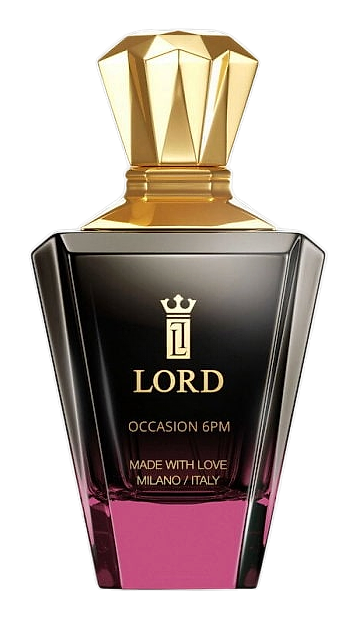
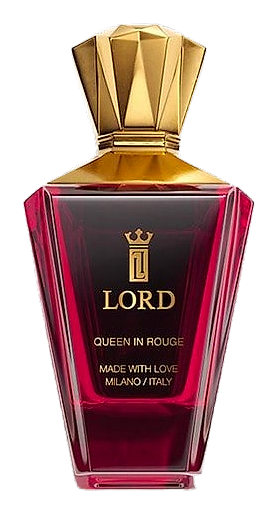
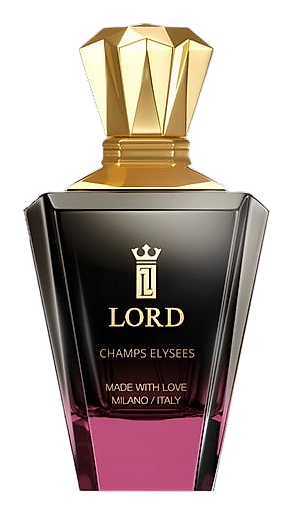
Champs Elysees wears its inspiration in the name. The avenue in mind isn't Paris at rush hour. It's the wide-windowed, golden-hour version: cafes catching late afternoon sun, the kind of stroll that turns ordinary into memorable without trying. Lord Milano, the house that built its catalog around places and moods, reached for exactly that moment in 2019. Dominique Moellhausen composed a floral that flirts with citrus on top, settles into rose and patchouli through the middle, and lands somewhere warm and close at the base. The opening sparkles briefly with that citrus lift, then the rose arrives, soft and slightly dewy rather than jammy, before the patchouli rounds everything out into something grounded.
What makes this composition work is the tension between its halves. Citrus on top reads cheerful and disposable. Patchouli in the heart refuses to let it stay that way. That friction, sunny and grounded at once, is what separates Champs Elysees from the dozens of citrus-florals that vanish within an hour. The rose-jasmine pairing adds old-fashioned warmth without tipping into vintage territory, while musk and amber at the base anchor everything to skin. It's a structure that rewards reapplication because each phase has something different to say.
The evolution
The lemon goes first. Fast. Within ten minutes it has handed the baton to orange, which lingers just long enough to round things out before the florals take over. Rose arrives soft, almost abstract, then jasmine sharpens the edges. Patchouli sits underneath both, doing the quiet structural work, grounding the petals so they don't float away. After two hours the white florals begin to recede and amber takes the lead, warm and resinous without ever crossing into sweet. By hour four what remains is a close skin musk with traces of amber still radiating. On fabric the next morning, a ghost of the rose is still there, barely there, the kind of trace that makes you lean in.
Cultural impact
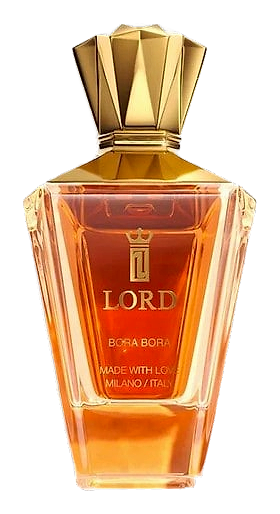
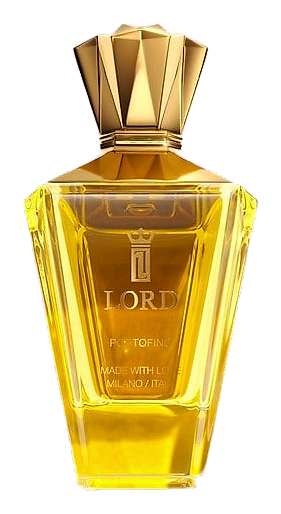
Champs Elysees sits in the brand's lineup of place-named fragrances like Bora Bora and Portofino, each one tied to a recognizable mood or destination. The citrus-floral structure is straightforward and readable, the kind of scent you can identify across a room without needing to be told what's in it. The rose in the heart is generous but never heavy, and the patchouli gives the base a quiet weight, grounding the brighter notes so the whole thing holds together rather than floating away. On the opening, the citrus lifts quickly, bright and almost sparkling, before the floral middle settles into something more rounded and romantic.
The House
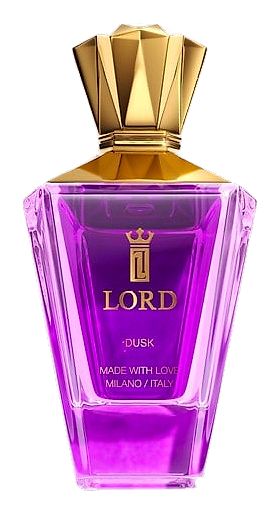
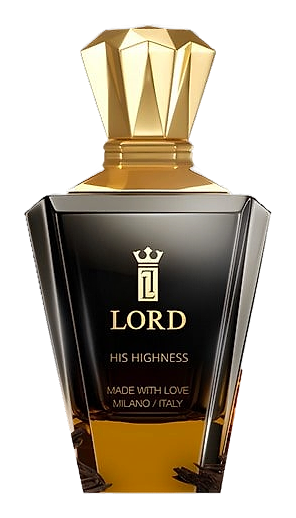
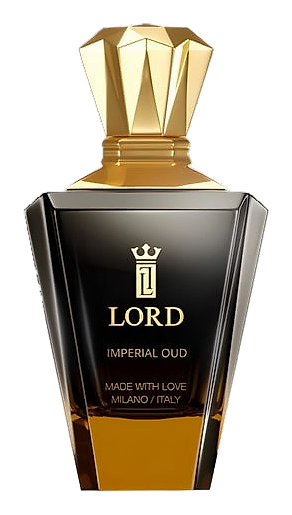
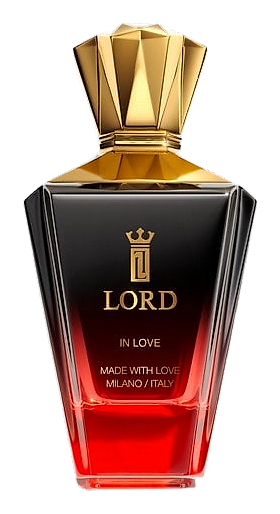
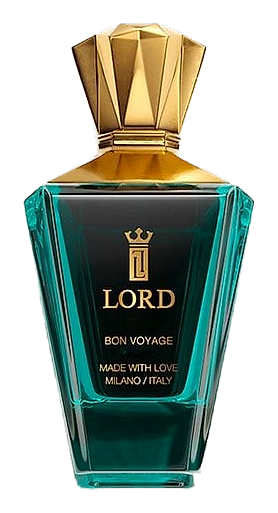
Lord MilanoLord Milano arrived in 2013 when a collective of perfumers who had long supplied the Saudi Royal House set up in London, bringing Arabian tradition into Western creative dialogue. The brand channels generations of oud expertise and Middle Eastern sensory culture into a line designed for discerning wearers. From the opulent Imperial Oud to the escapist wanderlust of Bon Voyage, each fragrance speaks to a wearer who values rarity over ubiquity. Lord Milano occupies an intriguing position: Middle Eastern soul, London polish, global ambition.
The Creator
Dominique MoellhausenDominique favors a clean, structural approach that starts with a strong backbone of natural absolutes. She often builds around citrus or green top accords, then layers heart notes of floral or spice that echo her multicultural upbringing.