
The Story
Why it exists.
The beginning
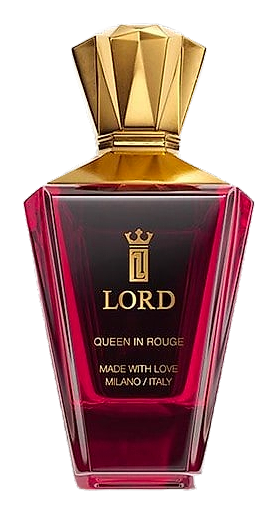
Queen in Rouge is a tribute to Marie Antoinette, the Queen of France who made a statement with a single touch of red against porcelain-pale skin. The fragrance draws from that deliberate contrast: powdery elegance grounded by something earthier, something real. Perfumer Julie Pluchet built this in 2025, working from the idea that glamour shouldn't be delicate. It should be remembered.
The pairing of iris and moss is unexpected, most compositions soften iris with florals or creams. Here, Pluchet lets the moss anchor it, adding an earthy undercurrent that makes the powder feel lived-in rather than precious. It's the kind of structural choice that separates a vanity exercise from something worth wearing. The tonka and amber follow, warm and generous, before the base delivers animalic musk and cedar, an intimate drydown that rewards proximity over projection.
The evolution
The opening arrives quietly. Iris first, velvety, almost tactile, then the moss emerges from underneath, grounding the powder before it can float away. Within the first hour, amber and tonka take over, turning the composition warmer, sweeter. The vanilla doesn't announce itself. It settles in the background like a warm room. The animalic notes surface last, surfacing skin-close, giving the drydown a presence that belies its moderate sillage. On fabric, this lasts well into the evening. On skin, closer to a workday. The next morning, what's left is cedar, faint musk, and the ghost of powder, the kind of trace that makes you reach for the bottle again.
Cultural impact
Queen in Rouge arrives at a moment when the fragrance industry is rediscovering powdery florals, a category that dominated mid-century perfumery but faded under the wave of clean aquatic and minimalist trends. The 2025 release from Lord Milano taps into a growing nostalgia for pre-digital elegance, when perfume was intimate rather than Instagram-worthy. The reference to Marie Antoinette's rouge, not merely a cosmetic but a political statement in her era, a defiance of sumptuary laws that restricted commoners from using color, positions this fragrance as a quiet act of rebellion against the blandness of modern scent culture.