
The Story
Why it exists.
The beginning
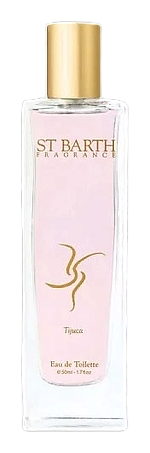
Ligne St. Barth emerged from a modest French workshop in 1983, founded on the idea that Caribbean and tropical botanicals could be translated into wearable fragrances without losing their essential character. The house drew inspiration from the lush landscapes of the Brazilian rainforest when creating Tijuca in 2007, part of a broader tropical collection that sought to capture the vivid greens and humid air of distant jungles. Rather than simply bottling rainforest cliches, the perfumer approached the brief with restraint, choosing bright Acerola cherry and citrus for the opening rather than generic tropical fruit, and grounding the heart with rose and cashew nut to add unexpected sophistication. The result reflects a house that understands the difference between evocative and overwrought.
The choice of Acerola cherry as a lead opening note reflects a philosophy of specificity over generality in tropical fragrance. Unlike more common tropical fruit notes that can smell synthetic or generic, Acerola brings genuine tartness and nuance, a fruit known in Brazil for its intense vitamin C content and bright flavor. The supporting citrus notes amplify this specificity, creating an opening that feels researched rather than lazily tropical. The rose and sandalwood in the base represent an intentional contrast, grounding the brightness in something more universally elegant. This note philosophy, prioritizing distinctiveness within familiar categories, defines the Ligne St.
The evolution
Tijuca begins with a burst of tropical brightness, Acerola cherry and citrus creating an opening that feels like stepping into sunlight after rain. The transition to the heart happens within minutes as the lemon and mandarin recede, revealing rose and lychee in a soft, slightly sweet embrace. Cashew nut appears almost as an afterthought, adding creaminess that prevents the florals from feeling too delicate. The drydown marks a clear shift in mood from energetic to intimate, amber and sandalwood warming the composition while white musk keeps everything close to the skin. This arc from bright to soft makes the fragrance adaptable to different settings and times of day, though the overall trajectory leans toward relaxation rather than intensity.
Cultural impact
Since its 2007 launch, Tijuca has become a go‑to for fans of bright tropical florals. Its citrus‑fruit opening and nutty‑floral heart have earned frequent mentions alongside Delina (2017) and Poudre (2015) in niche‑fragrance circles, and it’s often recommended for summer wardrobes and beach‑side outings.