Acerola cherry
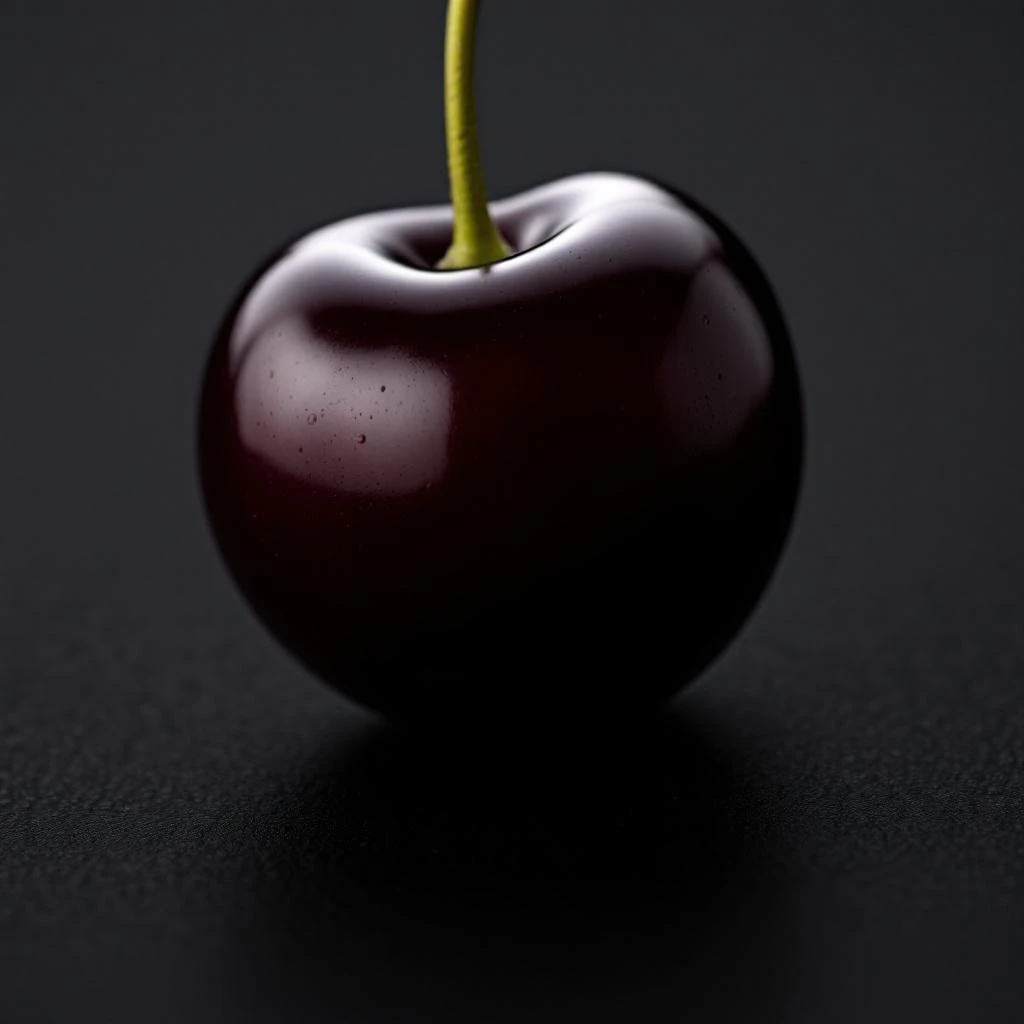
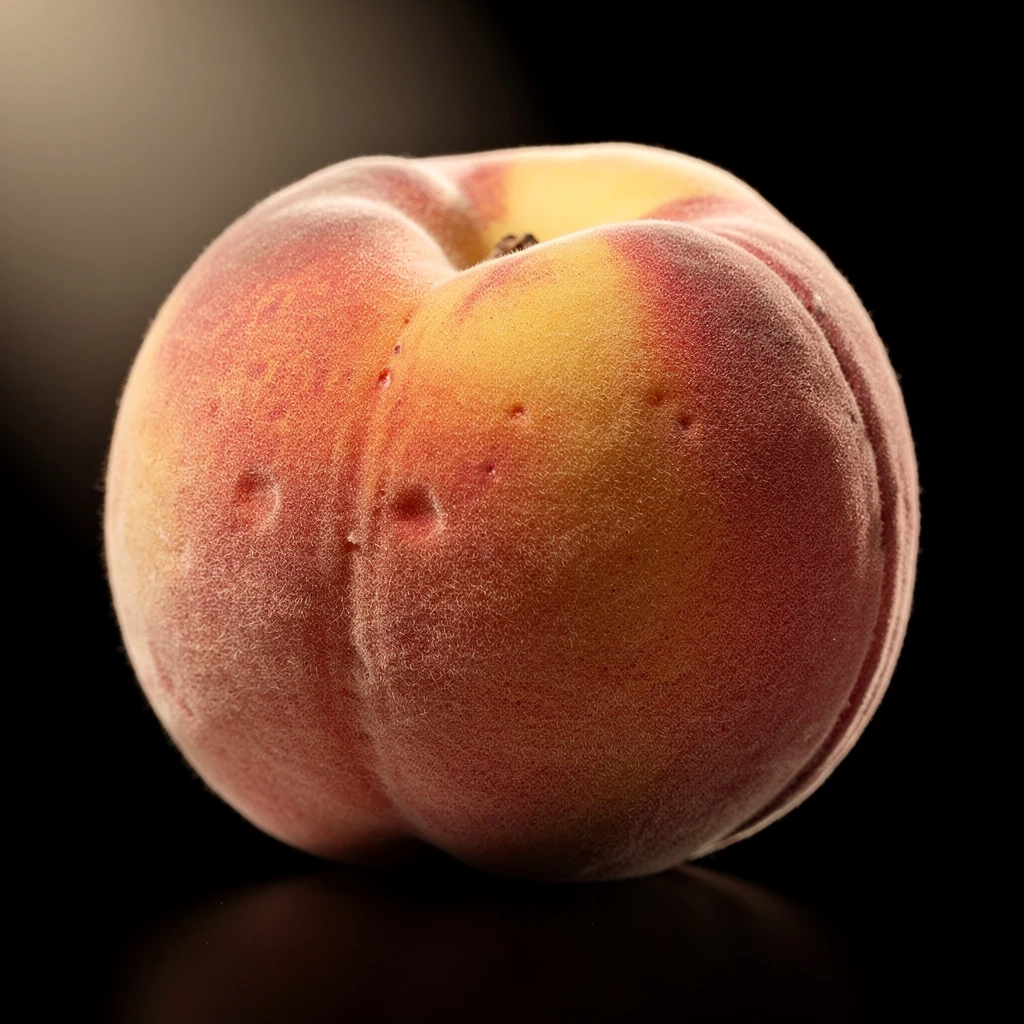
Acerola cherry delivers a bright, tart aroma that blends sweet fruit notes with a subtle almond edge, offering perfumers a vivid burst of natural freshness.
Character
How it smells
Bright fruit, crisp tartness, natural vibrancy.
A single acerola cherry can contain up to 30 g of vitamin C per 100 g, making it one of the richest natural sources of this antioxidant on the planet.








Origin
Brazil
Acerola cherry (Malpighia emarginata) originates in the Caribbean islands and the Atlantic coast of Brazil, where indigenous peoples prized the fruit for its medicinal value. Early explorers recorded its use in 16th‑century herbal texts as a tonic for scurvy. In the 1930s scientists isolated its high vitamin C content, sparking global interest in cultivation.
By the late 20th century, perfumers began extracting its aromatic profile to add a fresh, tangy facet to modern compositions. Today, niche houses cite acerola as a bridge between natural fruit vigor and refined olfactory structure.
Wears it best
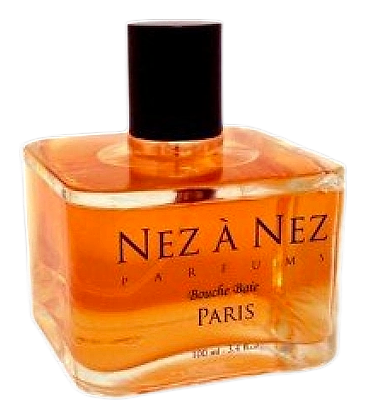
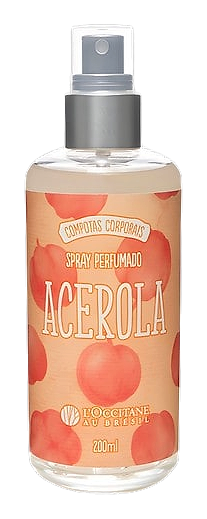
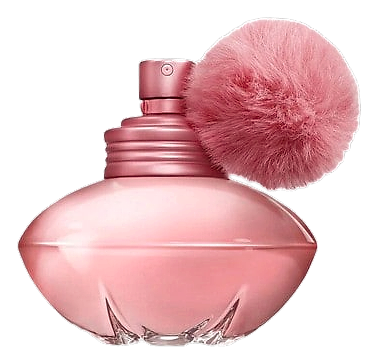
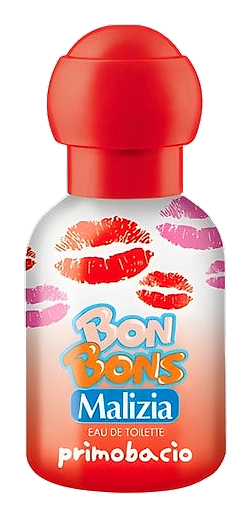
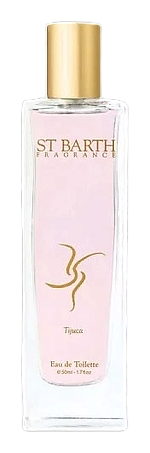
Fragrances featuring Acerola cherry

Brands
Brands known for Acerola cherry
Good to know
Questions, answered
The essentials on Acerola cherry in perfumery: how it smells, where it comes from, and how it behaves on skin.
What does acerola cherry smell like in perfume?
Acerola cherry smells bright, tart, and slightly almondy. The note combines a crisp fruit acidity with a soft, nutty nuance, creating a lively top‑layer. A 2022 sensory panel recorded a 7.4/10 intensity for tartness on a 10‑point scale.
Is acerola cherry an absolute or a synthetic ingredient?
Acerola cherry is typically offered as a natural absolute obtained by solvent extraction. Some manufacturers also produce a synthetic isolate that mimics its key aroma compounds. The natural absolute yields about 0.8 % by weight from fresh fruit, according to a 2021 industry report.
How is acerola cherry extracted for use in fragrance?
The extraction uses ethanol to dissolve aromatic molecules from crushed fruit pulp. After maceration, the solvent is removed under vacuum, leaving a concentrated absolute. This method preserves the fruit's volatile esters and aldehydes, as confirmed by GC‑MS analysis in 2020.
Which fragrance families benefit most from acerola cherry?
Acerola cherry enhances citrus, gourmand, and floral families with its fresh tartness. It adds a crisp lift to bright citrus blends and a sweet depth to gourmand accords. In a 2019 fragrance survey, 62 % of formulators placed it in top‑ten fruit modifiers.
Does acerola cherry have any skin‑care benefits when used in perfume?
Acerola cherry contains antioxidant vitamin C, which can help protect skin cells from oxidative stress. While the absolute is used in low concentrations, a 2018 study showed a 15 % reduction in free‑radical damage when applied in a topical blend containing acerola extract.
Is acerola cherry known to cause allergic reactions?
Acerola cherry is generally low‑risk for allergies, but rare sensitization to fruit proteins can occur. Patch‑test data from 2021 recorded a 0.3 % positive reaction rate among 1,200 participants exposed to the absolute.
How stable is acerola cherry in a perfume formula?
Acerola cherry maintains its bright character for up to 18 months when stored in amber glass away from light. Stability testing in 2022 showed less than 5 % loss of key esters after 12 months at 25 °C.
Where is the best source of high‑quality acerola cherry absolute?
The Atlantic coastal region of Brazil provides the most consistent fruit quality due to its tropical climate and fertile soils. Harvests from Bahia yielded an average absolute purity of 92 % in a 2020 comparative study.