The Story
Why it exists.
The beginning
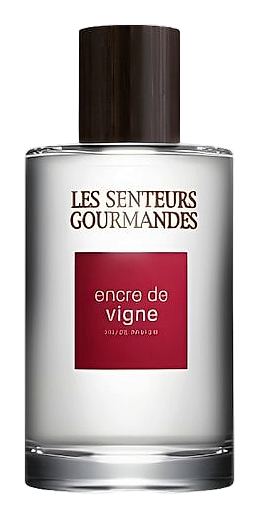
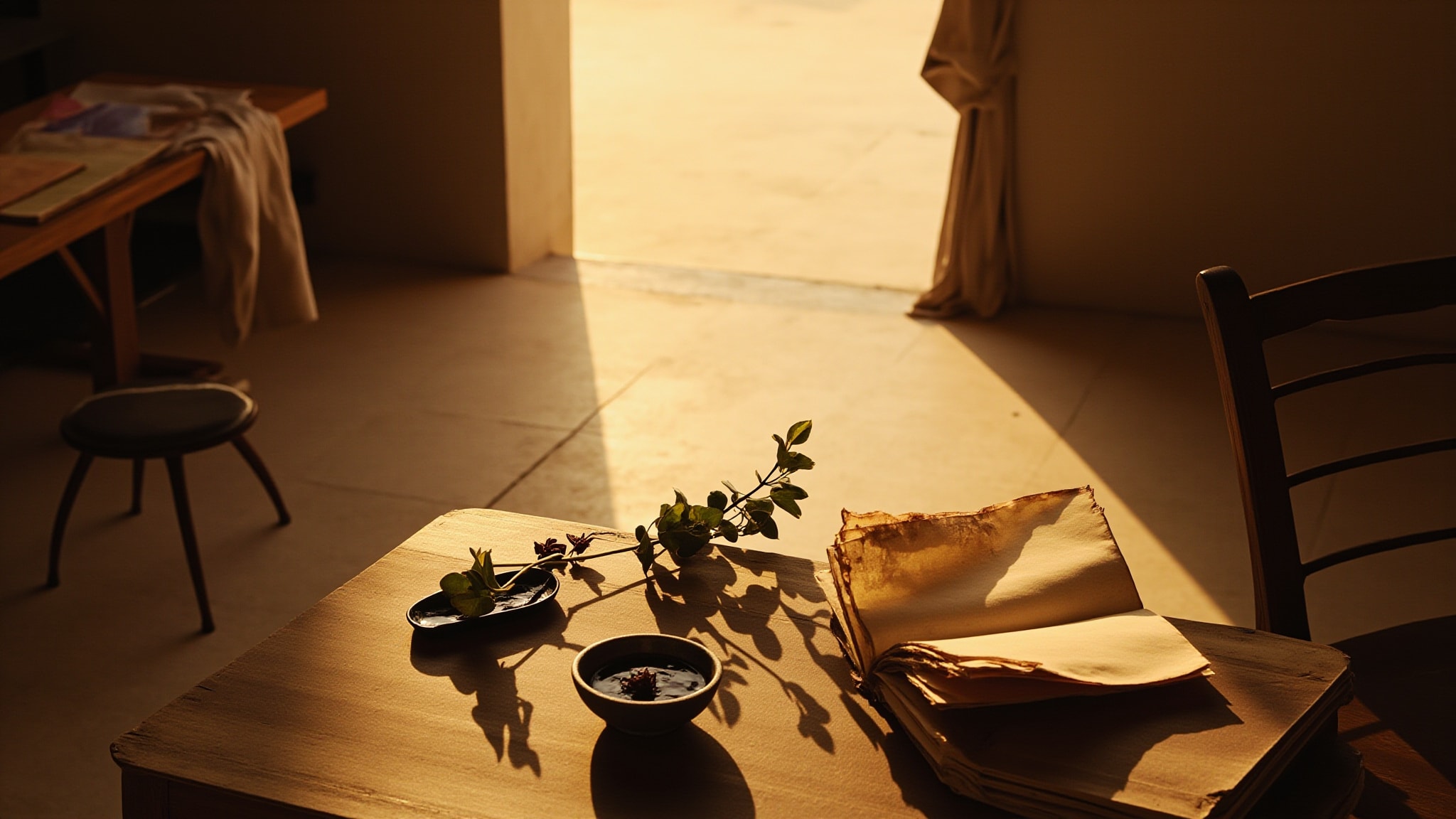
The name holds the clue. Encre de Vigne, vine ink, refers to the dark purple-red ink made from boiled grapevines, used historically for manuscripts and documents. There's something permanent about it. Something that marks rather than fades. The fragrance takes its inspiration from this historical substance, that deep, almost wine-like darkness that comes from reducing vine material to its most essential form. What emerged was a fragrance built around an unusual pairing: eucalyptus and anise. Neither is typical gourmet material. Together, they give the opening its camphorated green coolness, unexpected but, once it settles into the full composition, coherent.
What makes Encre de Vigne work is restraint. Nothing redundant, nothing performing for its own sake. The eucalyptus and anise combination creates something camphorated and cool rather than harsh, the anise softening the sharper edges of the eucalyptus while adding a subtle aromatic depth. The vine accord adds a green, slightly wine-like quality that reinforces the name without becoming literal grape.
The evolution
The opening arrives cool and green. Eucalyptus takes the lead with its camphorated, sharp character, opening up the sinuses like stepping into a forest after rain. Anise flickers beneath, adding a faint licorice darkness that prevents the eucalyptus from reading too clinical. As the scent develops, the coolness recedes, becoming a green undertone rather than the main event. In its place comes warmth. Saffron arrives with a subtle spice, nutmeg adds body, jasmine rounds the edges. The amber note begins to show itself, lending a quiet richness to what was previously all sharpness and cool. By the time the composition has fully settled into its base, patchouli's earth, sandalwood's cream, and a musk that stays close to skin without announcing itself create something that feels intimate and present.
Cultural impact
Encre de Vigne occupies an unusual position in the niche fragrance landscape, woody-animalic without the darkness of oud or the sweetness of vanilla, yet warm and approachable in a way that more challenging animalic fragrances aren't. The eucalyptus-anise opening presents a different kind of introduction than most niche offerings, one that asks wearers to engage with its cooling, camphorated qualities before moving into warmer territory. For those who appreciate this trajectory, the fragrance offers something distinctive: a composition that begins with botanical sharpness and gradually reveals layers of warmth, spice, and earthy depth.