The Story
Why it exists.
The beginning
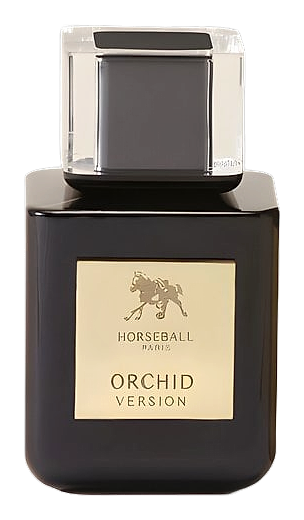
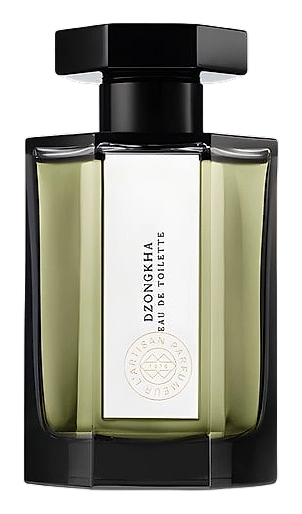
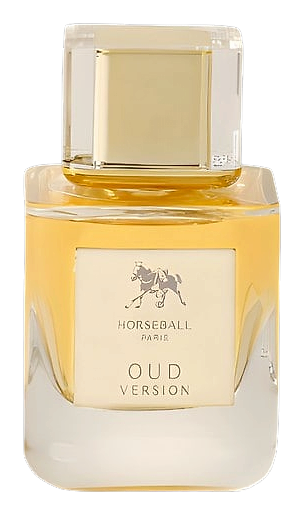
Bergamot and mandarin open bright, almost defiant. Black pepper adds a quick spark. Then the heart arrives: frankincense and saffron, a warm aromatic bridge, with rose absolute holding the center without apology. By the time the oud arrives alongside amber and patchouli, it doesn't need to prove anything. It already has. The citrus fire blazes, the pepper sparks, and the composition builds from there, each layer arriving with intention rather than waiting politely at the edges of the experience. The oud steps forward into that space and finds it already prepared, already warmed, ready to speak.
The rose absolute is the structural choice here, not a delicate floral water but something denser, with a faint honey edge that resists the urge to soften everything around it. Saffron reinforces warmth without going gourmand. The frankincense sets up the oud's arrival without rushing it: resinous, slightly medicinal, it creates the bridge between brightness and depth. In the base, oud takes center stage alongside amber and patchouli, the amber reads more as warm resin than sweet candy, binding everything together. The patchouli anchors with mineral earth rather than green greenness.
The evolution
The opening is all citrus fire, bergamot and mandarin blazing bright, black pepper adding an immediate spark. The pepper settles and the heart begins its slow emergence. Frankincense arrives first, a resinous coolness that tempers the citrus without killing it. Rose absolute follows, holding its shape in the center while the saffron adds a faint honey warmth underneath. The handoff to the base happens gradually: the rose doesn't disappear so much as sink, becoming part of the landscape rather than the focal point. And then the oud. It's there earlier than expected, not hiding, not waiting politely in the wings. The amber and patchouli join and the composition deepens into something warm, resinous, and persistent. There is a trace that remains the next morning, mineral, slightly smoky, impossible to ignore.
Cultural impact
Oud has held sacred status across Middle Eastern and South Asian cultures for millennia. Its deep, resinous aroma has long symbolized wealth, hospitality, and spiritual practice. In Arabian traditions, oud chips are burned in homes to welcome guests and create an atmosphere of warmth and generosity. The fragrance carries weight in religious contexts as well, appearing in historical accounts of royal courts and sacred spaces. Today it remains one of the most valued perfume materials in the world, a staple of perfumery that commands serious attention and serious respect.