The Story
Why it exists.
The beginning
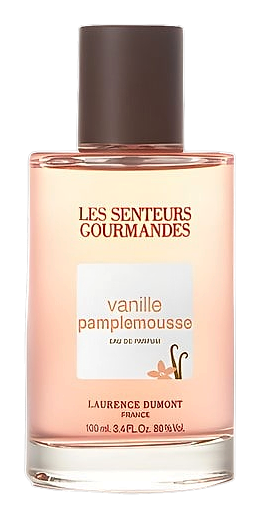
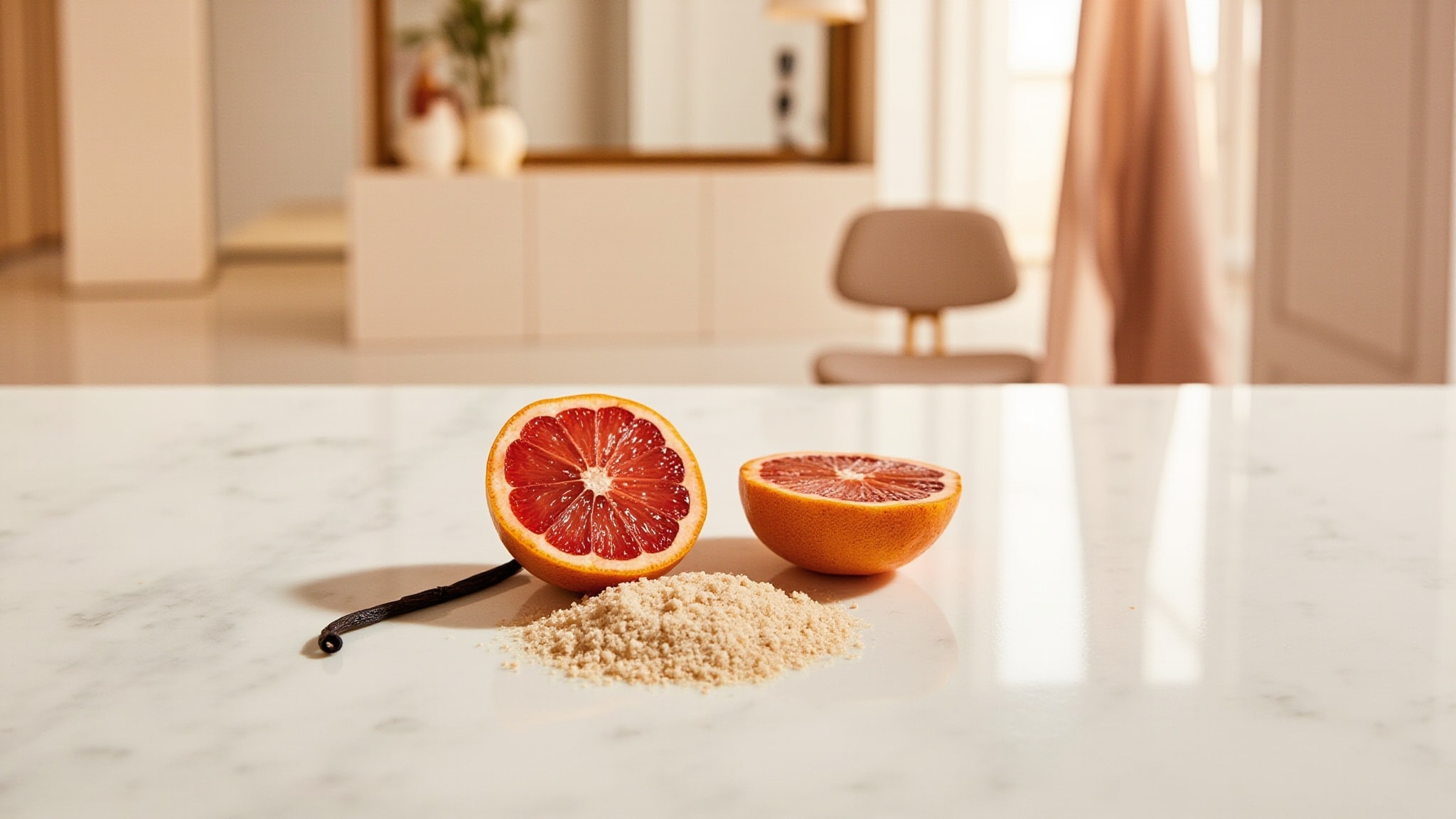
Laurence Dumont has built an entire collection around vanilla, not as accent, but as argument. The house makes the case that vanilla is the most flexible note in perfumery, capable of swinging from tropical softness to sharp, sophisticated contrast. Vanille Pamplemousse arrived in 2011 as one of the more surprising entries in that collection: a vanilla fragrance that opens with brightness, that uses citrus not as decoration but as the opening act. The name says it all. Pamplemousse, grapefruit, is not a quiet note. It's tart, slightly bitter, distinctly itself. Pairing it with Bourbon vanilla was the house's way of asking: what happens when the sharpest citrus meets the warmest base?
The answer lies in the structure. Florida grapefruit delivers immediate impact, the kind of juicy, slightly bitter brightness that reads as natural rather than synthetic. Lime adds a sharper edge in the first minutes. Then the heart shifts. Grapefruit blossom is softer, more translucent than the fruit itself, a floral whisper that bridges the tart opening and the sweet finish without either drowning the other. Bourbon vanilla in the base is the real commitment. It's not a fleeting sweetness, it's the warmth that persists, that stays on skin hours later. Musk rounds it, keeps it intimate rather than loud. The result is a fragrance that refuses to be just one thing.
The evolution
The opening arrives fast, within seconds of spraying, the grapefruit is there, bright and tart and distinctly itself. The lime underneath adds sharpness, a brief flash of something green before the citrus settles. For the first twenty minutes, this is unmistakably a citrus fragrance. Then the hand-off begins. The grapefruit doesn't disappear, it softens, becomes less bite and more presence. The blossom arrives quietly, adding a translucent floral layer that makes the whole composition feel less angular. By the time the vanilla arrives, around the thirty-minute mark, you're getting both at once: grapefruit and cream, tart and sweet, a combination that shouldn't work but does. The vanilla doesn't take over completely. There's still a clean musky quality underneath that keeps it from becoming dessert-heavy. By hour three, you're in the drydown, soft vanilla-musk, skin-close, intimate rather than projecting. The citrus is gone by now, replaced by something warm and quiet.
Cultural impact
Laurence Dumont occupies a specific corner of niche perfumery, the kind of house fragrance people discover through conversation rather than advertising. Vanille Pamplemousse has earned a loyal following among those who want something that smells good without announcing itself from across the room. The citrus-vanilla pairing has become more common in the years since its 2011 launch, but this one holds up: the grapefruit is real, the vanilla is warm, and the balance feels intentional rather than accidental.