

The Story
Why it exists.
The beginning
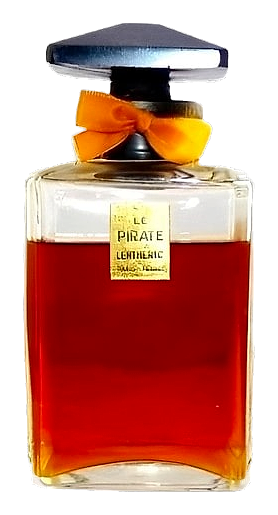
Le Pirate arrived in 1928, and the name itself suggests theft, or at least the audacity to take what you want. Whether that means plundered florals or stolen moments is left for the wearer to decide. The composition borrows the swagger of a spice bazaar and wraps it in something far gentler, a women's fragrance that doesn't behave the way you might expect. The spice comes forward with confidence, but the florals underneath keep the whole thing from tipping into anything harsh or aggressive. It reads like a composition that knew exactly what it wanted to be and refused to apologize for it. The blend of woody accord, pronounced spicy facet, and floral notes gives it a character that stays with you, the kind of scent that creates a memory rather than just filling a room.
The structure here leans on the woody accord and pronounced spicy facet that the sources describe, with florals playing a supporting role rather than dominating the composition. The spice carries a warmth that feels almost architectural, giving the fragrance a backbone that holds everything else in place. Beneath that warm spicy layer, the florals add softness without ever crossing into the powdery or overly sweet territory that defined so many women's compositions of the era.
The evolution
On skin, Le Pirate does not behave like a polite floral. The opening moves fast, landing with a peppery lift that reads almost like a man's cologne before the softer facets catch up. The spice has a way of announcing itself without shouting, assertive but never aggressive, and it sets the terms for everything that follows. As the composition develops, a warm floral density takes over, dense without being heavy, the kind of presence that fills the space around you without crowding it. The heart turns slightly powdery at the edges, which is likely when the mossy and woody elements begin surfacing, and the accord between those base notes and the lingering spice creates something that feels both grounded and alive.
Cultural impact
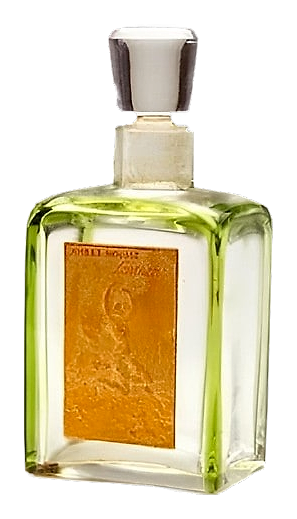
Le Pirate was released in 1928, and production has apparently been discontinued, which makes surviving bottles a point of curiosity rather than a common shelf presence. The fragrance occupies a particular niche in the catalog, notable for its pronounced spicy facet and the way that warmth interacts with the floral and woody elements listed in its composition. Bottles that survive tend to surface in collections rather than in everyday rotation, and the composition draws attention from anyone interested in fragrances from this period.