
The Story
Why it exists.
The beginning
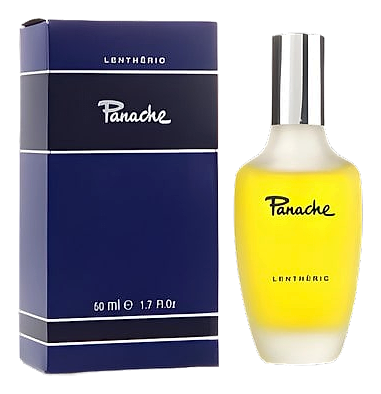
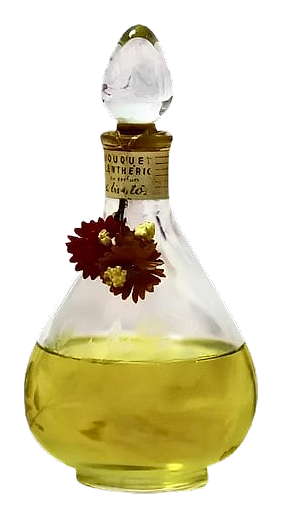
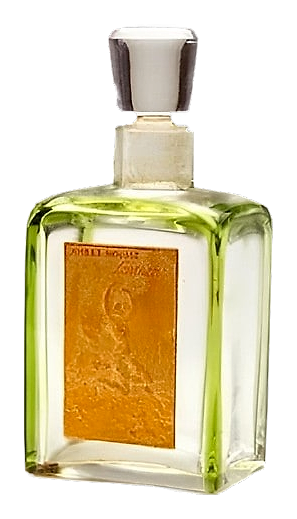
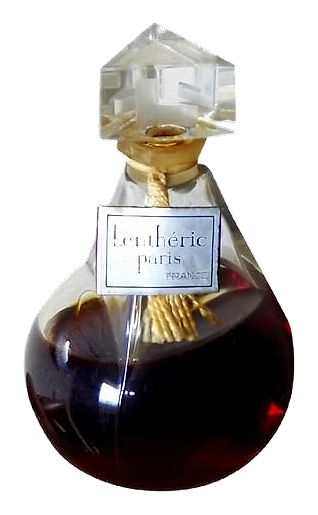
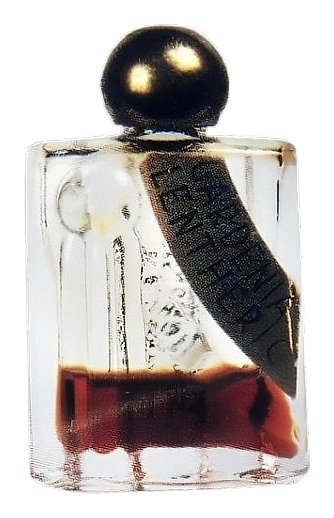
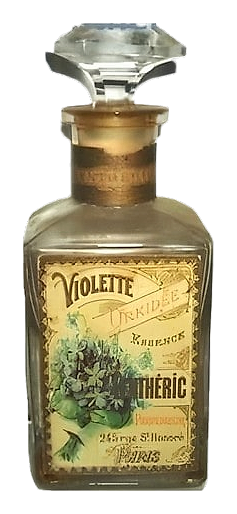
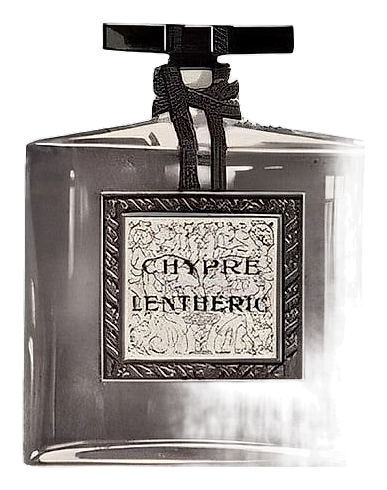
Lenthéric named this one simply, and that was the point. Chypre by Lenthéric arrived in 1912, when the Parisian perfume world was still finding its modern vocabulary and the accord itself was young enough to be a fresh proposition rather than a tradition. The house approached the category the way it approached everything in those years: as a quiet, considered statement that let the materials do the talking. Chypre was never meant to be the loudest interpretation of the accord on any counter. It was meant to listen to you first, then introduce itself, and then settle into the skin with the patience of something that has nothing left to prove. The bottle, the label, the composition all share the same instinct.
What makes this composition worth attention is the restraint inside the formula. Lenthéric chose neither the heaviest floral registers of the era nor the bright, almost brittle compositions coming from neighboring ateliers. The classic chypre structure, bergamot opening, floral heart, oakmoss-and-patchouli base, was already established as a recognizable shape for this kind of fragrance. The way Lenthéric handled it pointed forward. The floral layer carried genuine depth, not just decorative sweetness, with petals that feel macerated rather than freshly pressed.
The evolution
The first twenty minutes belong to the citrus. Bergamot, sharp and clean, the way it appears at the top of a proper chypre, before anything sweet has a chance to soften the edge. The accord announces itself early, not as a single note but as a structure: something bright giving way to something bitter giving way to something warm. You can feel the skeleton of the chypre almost immediately, the bones that the rest of the wear will hang on. By the end of the first hour the florals arrive, and they don't compete with the opening so much as answer it. The heart feels deliberate, unhurried, the kind of floralcy that reads as memory rather than statement. There is a softness here that doesn't tip into powder, a green-tinted floralcy that still holds the shape of a stem. The drydown is where this earns its reputation. Oakmoss and the warm, resinous weight of the base settle in and stay.
Cultural impact
Chypre fragrances carry a specific cultural weight in the history of French perfumery. The accord became one of the defining structures of the form in the twentieth century, a recognizable architecture that runs underneath countless variations. Lenthéric's contribution sits within that tradition as a deliberate interpretation, made by a house with a documented taste for restraint over volume. For collectors and students of perfume history, the Lenthéric catalogue functions as a record of early twentieth-century Parisian work, and this chypre belongs in that conversation.