The Story
Why it exists.
The beginning
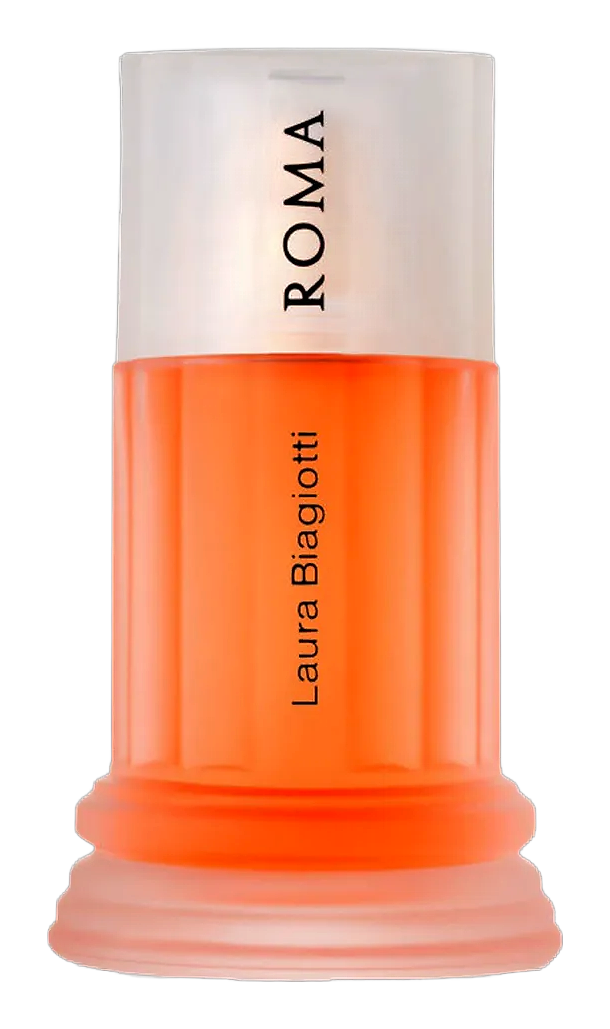
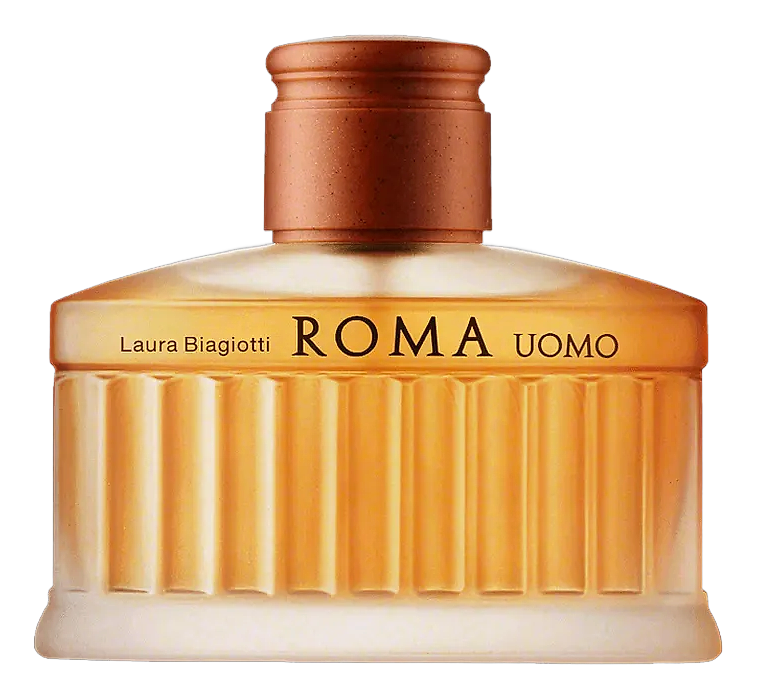
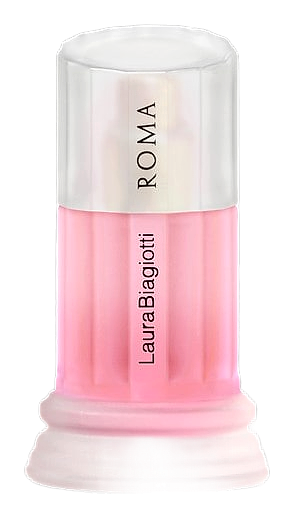
Roma arrived in 1988 as a love letter to the Eternal City, all stone heat and golden hour. Thirty years later, Domitille Michallon-Bertier returned to that foundation and asked a different question: what if Rome wore blush? The answer is Roma Eau de Toilette Rosa, a flanker that trades the original's deep spices for something lighter, florid, and decidedly feminine. Wild berries open the composition, giving the bergamot something to play against before the rose-peony heart takes over. It's Rome at sunrise rather than dusk.
The real story here is the balance. Bergamot and wild berries seem like a simple fruity combo on paper, but the neroli threading through the heart prevents it from tipping into candy. Meanwhile, the vanilla-sandalwood base keeps the florals from reading as merely fresh instead of genuinely warm. The perfumer used restraint as the primary tool, building a flanker that flatters rather than announces. Peony often reads as powdery or one-dimensional in fragrance, but here it's held in check by jasmine's green edge and the sandalwood's creaminess underneath. The result feels effortless, which is the hardest thing to achieve.
The evolution
The opening announces wild berries and bergamot in quick succession, that citrus-berry combination reading as bright and immediate. Within twenty minutes, the neroli surfaces briefly, a flash of orange blossom that keeps the top notes from sitting too long. Then the heart arrives: rose and peony arriving together, the peony providing body while the rose adds depth without heaviness. This phase lasts roughly three hours before the base notes begin their slow take-over. Vanilla emerges first, sweet and soft, followed by sandalwood's woody warmth and musk's quiet presence. Six to eight hours in, what remains is a skin-close hint of vanilla and wood. On fabric, the sandalwood can linger into the next day.
Cultural impact
Roma Eau de Toilette Rosa carries the legacy of Laura Biagiotti, the celebrated Italian designer nicknamed the Queen of Cashmere, whose 1988 Roma fragrance became a benchmark for Italian elegance in perfumery. The 2017 flanker, Roma Eau de Toilette Rosa, represents how heritage houses adapt their signatures to evolving consumer tastes, particularly the shift toward lighter, more approachable fruity-floral compositions favored by younger demographics in the 2010s. As part of the broader phenomenon of accessible luxury, this fragrance democratizes the Italian glamour associated with the Biagiotti name, offering it at mainstream price points without sacrificing perceived quality.