The Story
Why it exists.
The beginning
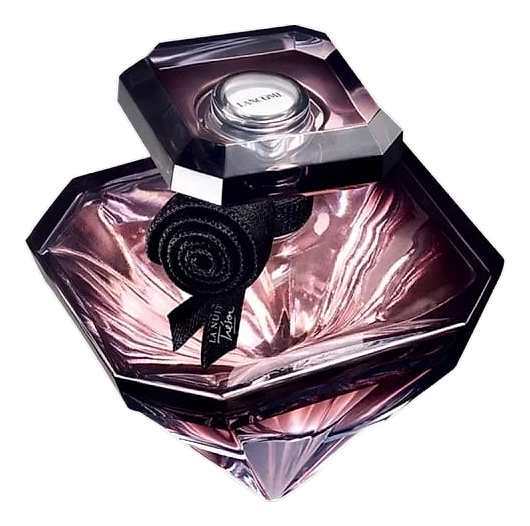
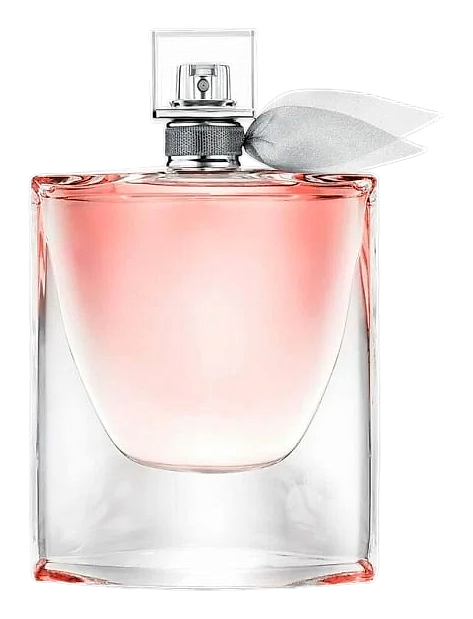
La Vie Est Belle arrived in 2012, developed over three years by three perfumers. Olivier Polge, Dominique Ropion, and Anne Flipo went through roughly 5,000 versions before landing on the final formula. That's the kind of iteration that leaves fingerprints on a fragrance you can actually smell. The composition centered on natural beauty, freedom from convention, and the choice to define happiness on your own terms. A reminder that elegance doesn't require austerity. Julia Roberts became the face of the campaign, shot by Tarsem Singh, and the bottle itself was a redesign of a 1949 Lancôme classic, reimagined with a ribbon accent in place of the traditional cap. The name translates to 'life is beautiful.' It's not subtle. The juice inside carries the philosophy forward.
The structural choice that makes La Vie Est Belle work is the iris-vanilla pairing. Iris leans cool, rooty, almost mineral. Vanilla and praline bring pure gourmand warmth. The perfumers used that tension instead of smoothing it out. Blackcurrant and pear in the opening give it just enough fruit to feel modern rather than old-fashioned. That fruit flash is brief, a bright crack at the top before the iris settles in and reorganizes the whole composition around itself.
The evolution
The first thirty minutes are the lightest part of the ride. Blackcurrant and pear arrive with a certain brightness, almost sparkling, before the iris starts moving in and quieting everything down. Within an hour the white florals settle behind the iris like a supporting cast that knows its role. By the second hour the gourmand elements start surfacing, vanilla and praline warming up gradually, not all at once. The patchouli threads through the whole experience, more felt than noticed until you catch it at hour four or five. The drydown is where this fragrance earns its reputation. The powdery iris-vanilla combination hangs on clothing and skin well into the next morning. The sillage pulls closer to the body as the hours pass, but the scent itself doesn't disappear. It transforms, the gourmand sweetness receding into a soft, almost skin-like musk where the iris still whispers underneath.
Cultural impact
La Vie Est Belle has built a loyal base among wearers who want approachability without sacrificing craft. Julia Roberts anchors the campaign identity, her presence lending the fragrance a certain recognizable warmth. The composition itself sits at the intersection of gourmand and floral, sweet enough to feel welcoming, structured enough to avoid tipping into the dessert-scent clichés that plague the category. For anyone exploring the gourmand lane for the first time, the fragrance functions as a kind of gateway, accessible enough to be an easy entry point but composed with enough care that it doesn't feel like a compromise.